
The Jump Start includes a subset of DRC resources that can help you get started building quality in a specific area. Each topic has four sections for you to:
- Reflect: Stop and consider where you are in this area of practice, both strengths and areas of improvement. This can help you identify the best learning and practice resources for your program.
- Define: Understand which Texas Rising Star measures relate to this topic area.
- Learn: Explore foundational learning resources like courses, examples, and publications to build your understanding of this topic area.
- Practice and Improve: Find tools, templates, tips, and/or strategies that you can start to put into practice or use to improve your practices.
Select a topic to get started!
PROGRAM-WIDE IMPROVEMENTS

Assessments (formal and informal) can help programs learn more about children’s individual development and learning needs. Assessment data isn’t just collected–it s...learn more

Texas Health and Human Services protects children by regulating and educating child care providers. The Minimum Standards reduce risk for children in out-of-home care set...learn more
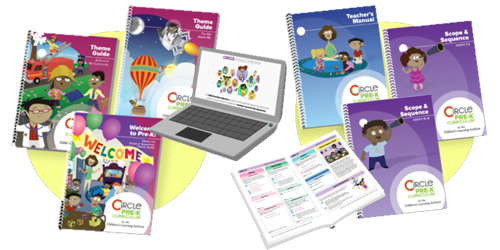
A curriculum provides classroom staff with a clear plan for delivering quality learning experiences to children of any age group. Without a curriculum, it can be difficul...learn more

Broadly, family education and involvement refers to efforts by the early learning program to keep families informed and to partner with families to improve experiences bo...learn more
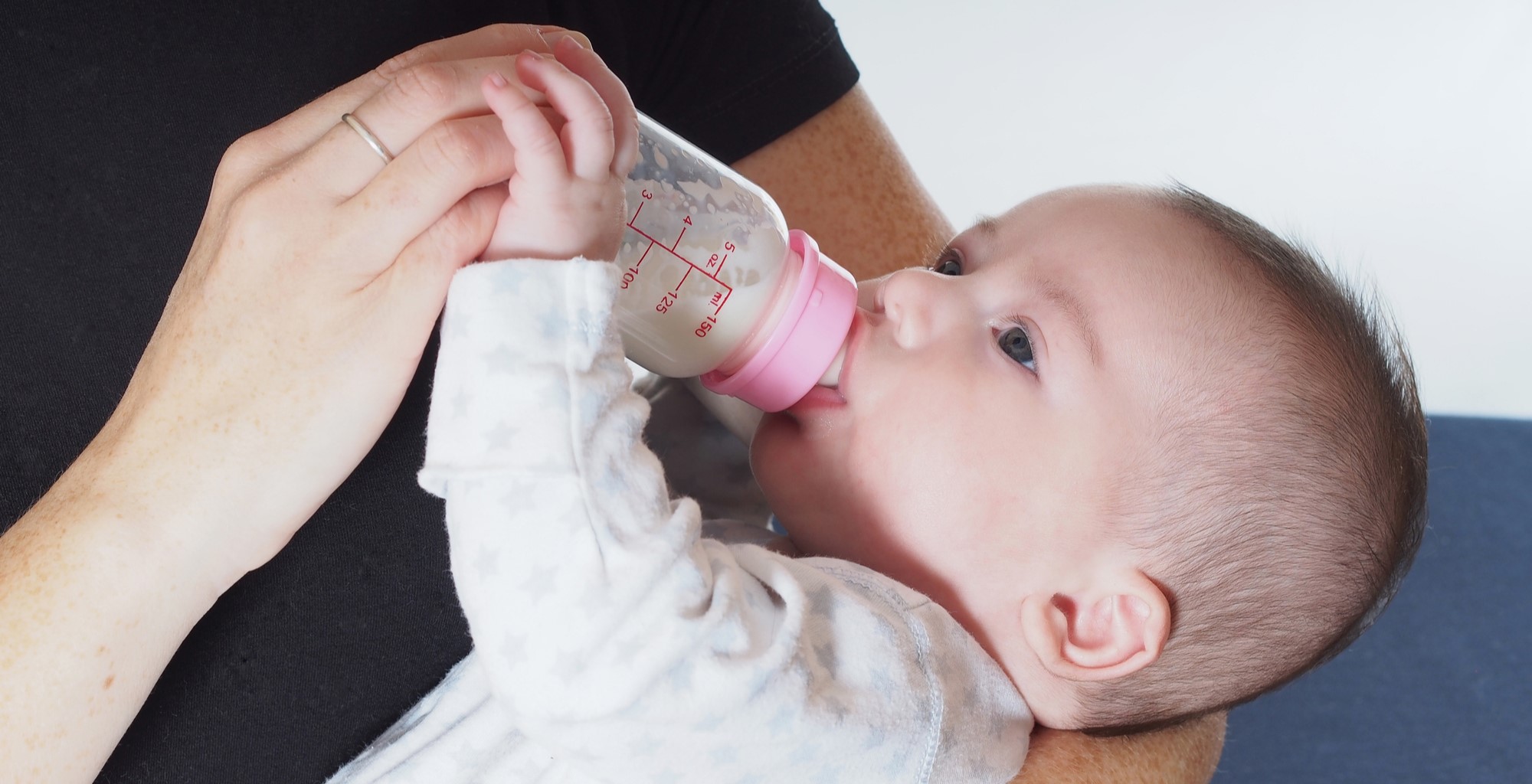
Health and nutrition refers broadly to policies and practices that support children’s overall health and safety. This measure asks early learning programs to look at th...learn more
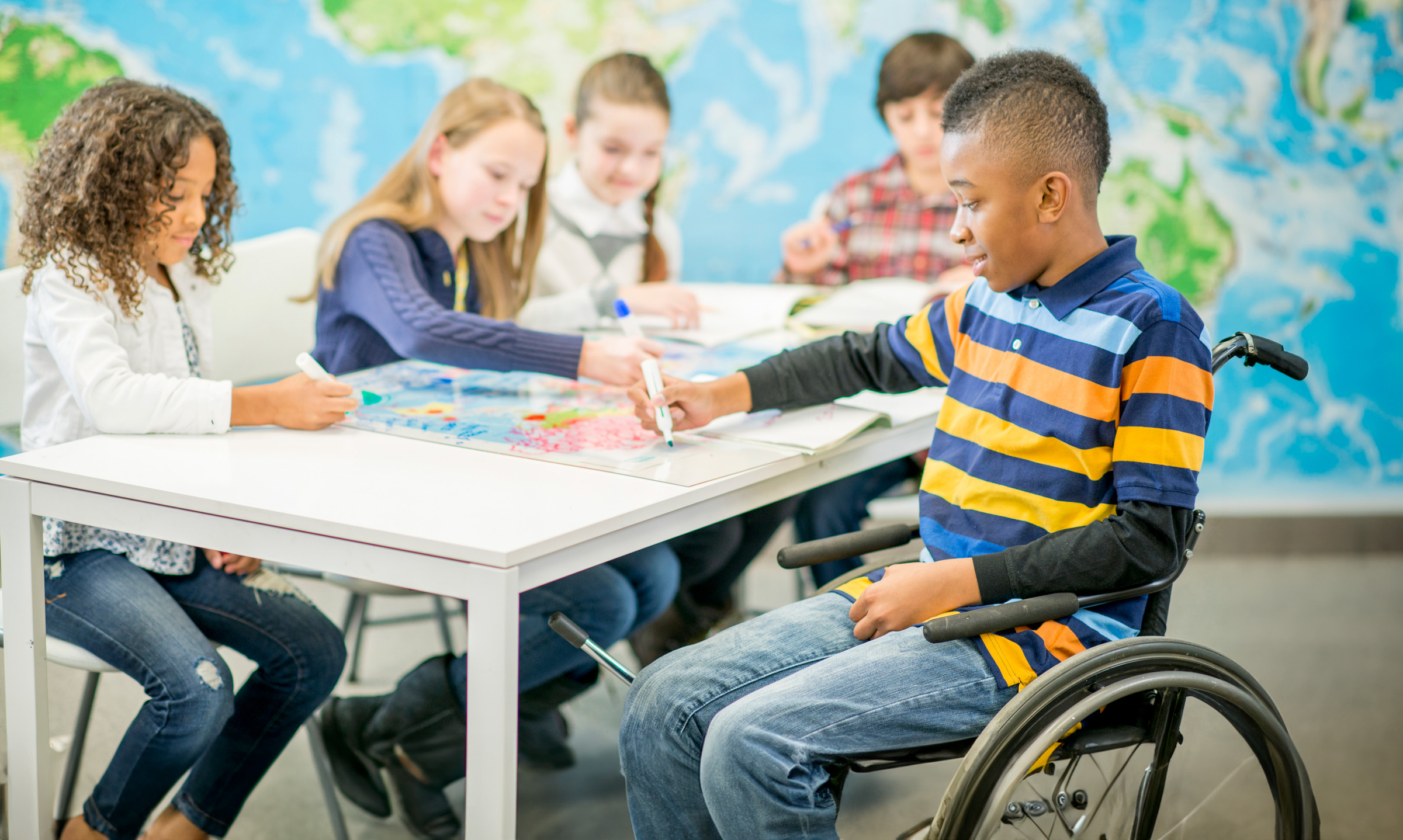
Inclusion refers to integrating children with physical, behavioral, linguistic, or learning differences into the general education classroom as much as possible. This is ...learn more

High-quality program leadership and management make a significant contribution to program and child outcomes. Leadership can be thought of as influence; a strong leader c...learn more

CCR Minimum Standards require programs to have personnel records for every employee, caregiver, substitute, and volunteer. Records must be available for review during bus...learn more
A prekindergarten (pre-k) partnership is a collaboration between a school district or charter school and one or more quality-rated child care programs, with the goal of p...learn more

Taking care of children is difficult, but it’s a little easier in a positive work environment. A structured onboarding process will set team members up for success. Sho...learn more

Training is important in any workplace, but it’s absolutely essential when working with children. The types of training that ELP employees participate in set them up fo...learn more
Classroom Improvements
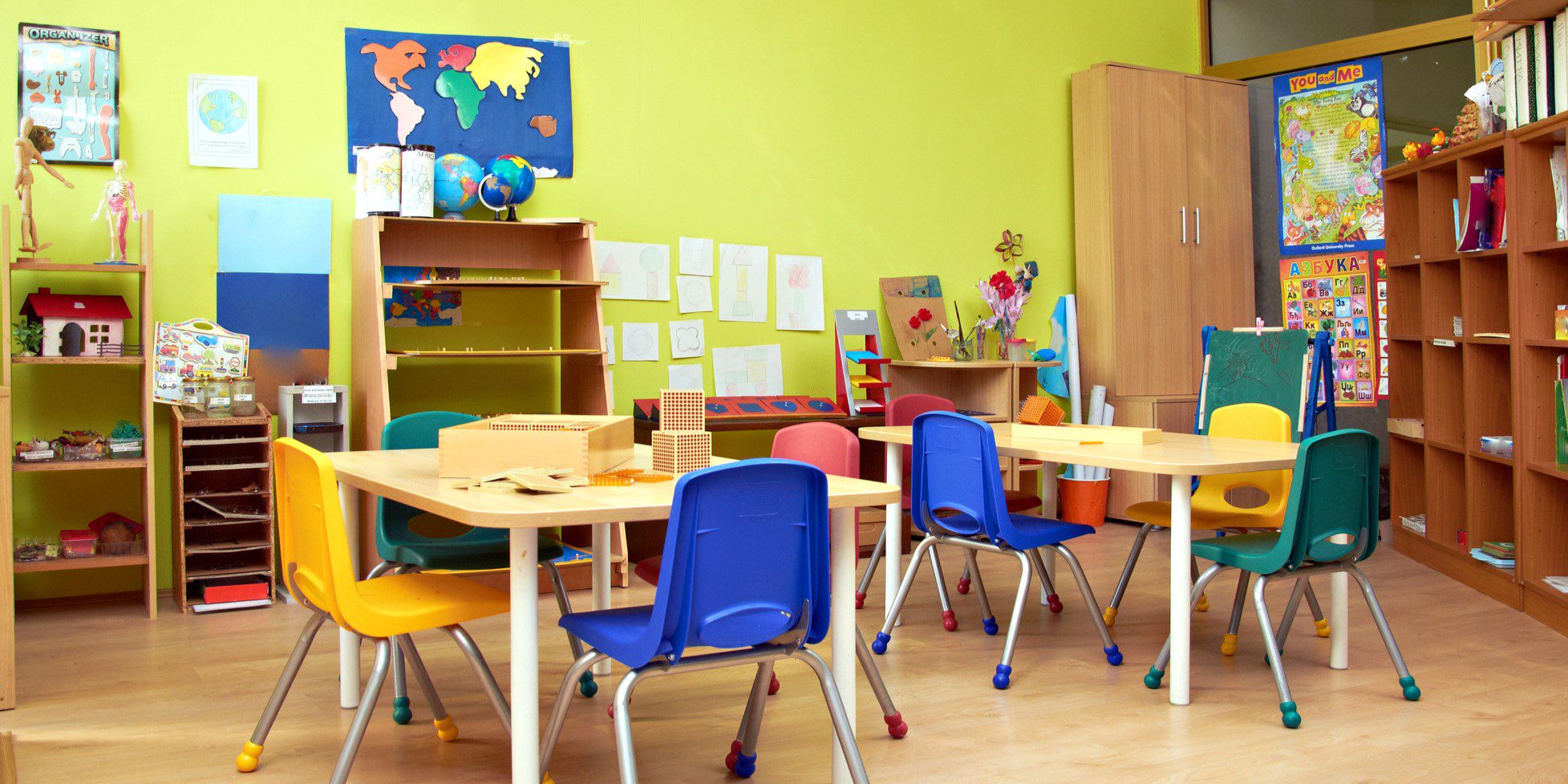
Carefully planned spaces intentionally include all the materials and activities that children need to grow and develop. Children should also have the opportunity to make ...learn more
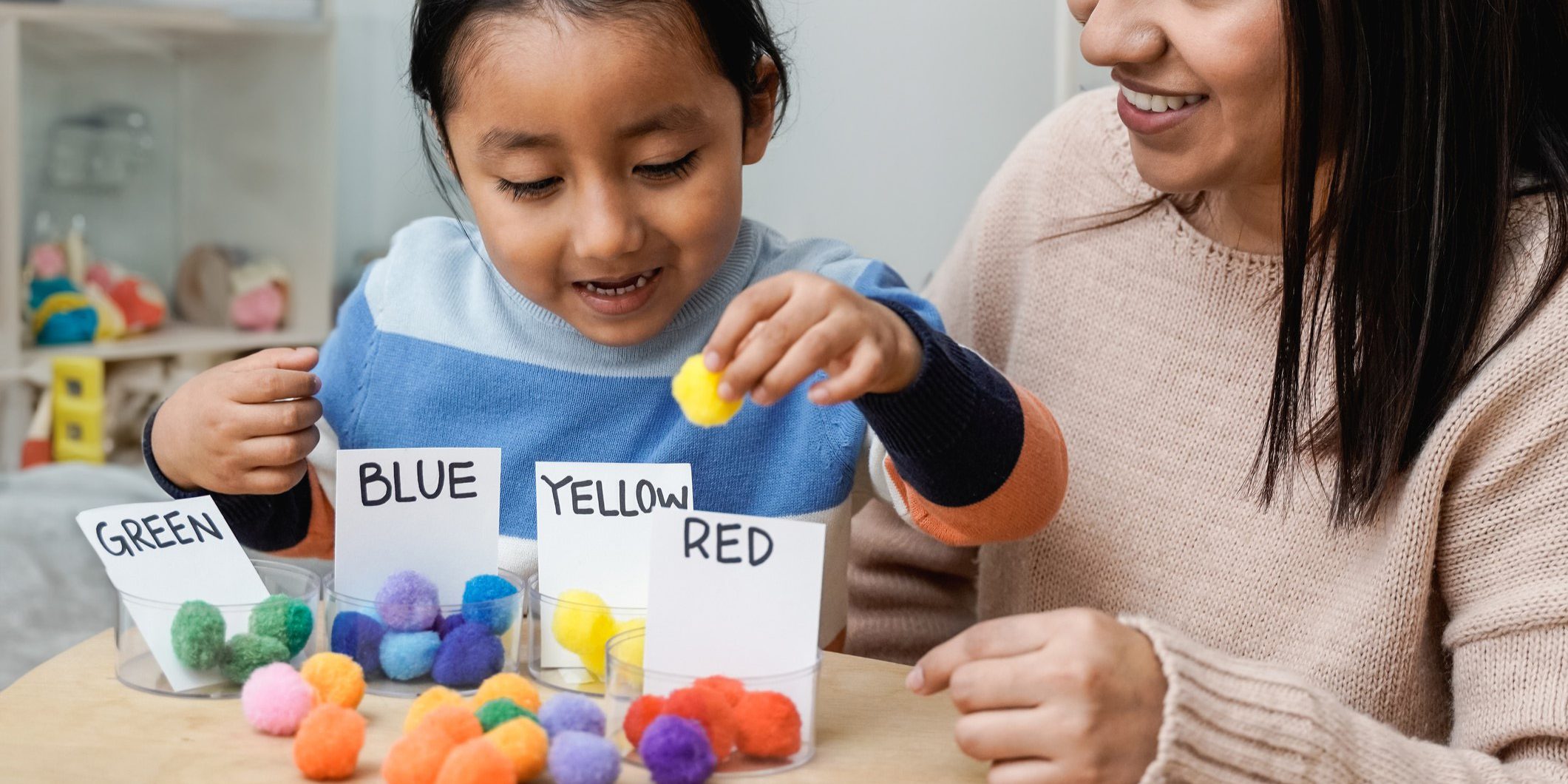
A daily schedule that allows children to make choices, learn in varied group sizes and environments, and receive individualized support results in higher engagement. Dail...learn more
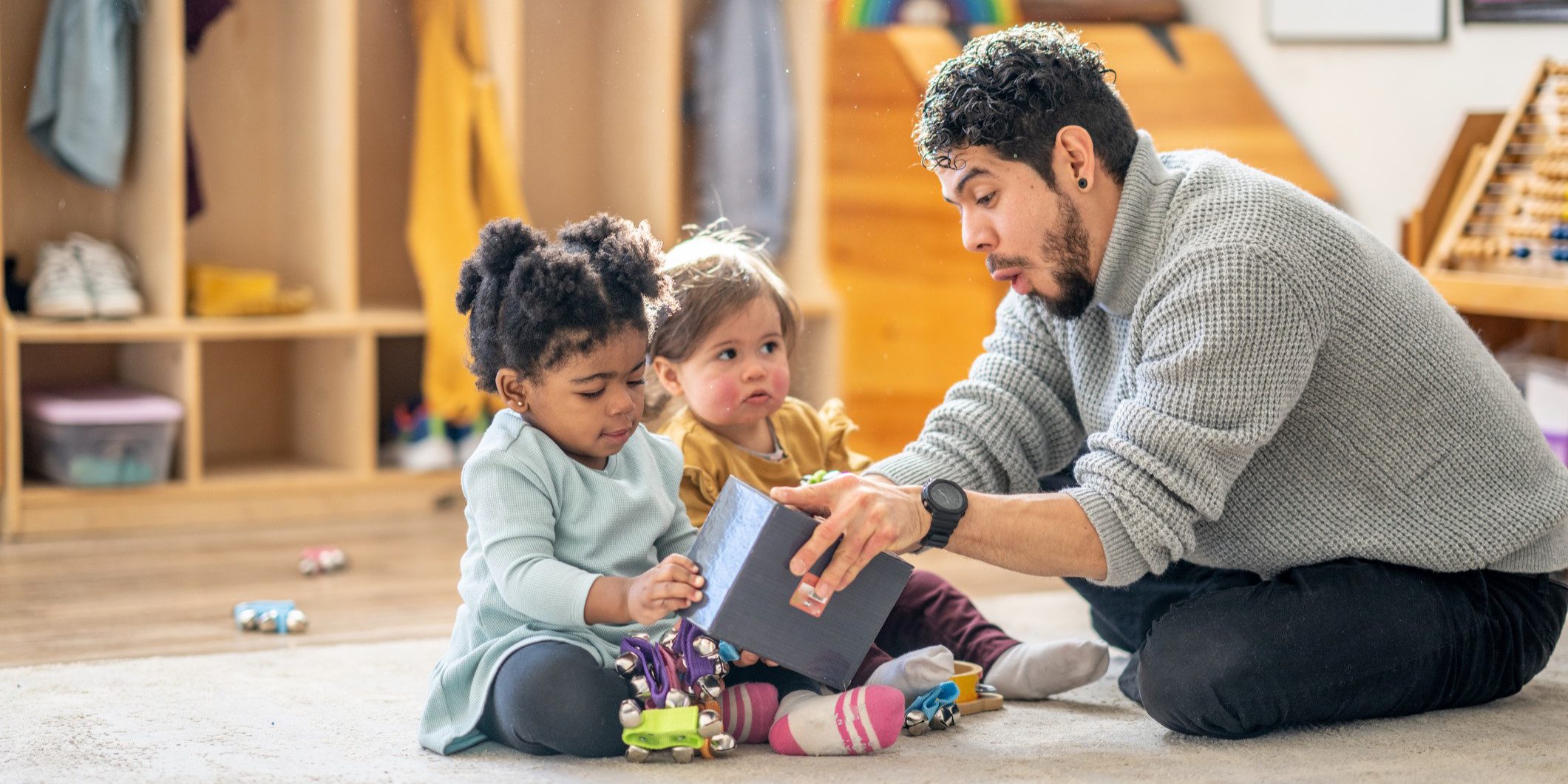
Support for children’s language development is a key feature of quality in early care and education settings. Frequent language stimulation is expected of teachers rega...learn more

Outdoor learning experiences are necessary for healthy development. Daily opportunities to play outdoors help children develop their gross motor (big muscle) skills as th...learn more

Play-based learning is more beneficial than traditional teaching methods because it is a developmentally appropriate way for young children to learn. It is important for ...learn more

An important part of becoming a learner is a child’s ability to regulate themselves in different situations. This might look like an infant who responds to attentive ca...learn more

Teachers can build a warm and safe environment by attending to children’s needs and responding to children in a way that keeps the conversation going. If the teacher ha...learn more