
Play-based learning is more beneficial than traditional teaching methods because it is a developmentally appropriate way for young children to learn. It is important for children to have daily opportunities to engage in both free and guided play activities, as both kinds of play help them develop social-emotional, regulatory, and cognitive skills. During free play with peers, children will negotiate and follow rules; during guided play, children can practice academic skills in a game-like fashion. Games, or learning activities that feel like games, build interest and promote cooperation. A high-quality early learning program provides plenty of time for children to learn and practice skills through play.
During their visit, Texas Rising Star assessors will observe how the teacher uses play to develop children’s regulatory, emotional, and language development.
Stop and Reflect

How do you support children’s play? What kinds of playful activities do you engage children in?
How confident do you feel:
- Supporting children’s play and make-believe?
- Expanding on children’s play?
- Facilitating social interactions between children?
What support do you need from your Texas Rising Star mentor to help you encourage play-based learning?
Define
Texas Rising Star has four measures related to play-based interactions and guidance. Click the links to learn more about these measures.
-
- P-PBIG-01: Supports a playful attitude on an ongoing basis by creating opportunities for children to make-believe, make choices, and adjust activities to their own interests
- P-PBIG-02: Participates and expands on play initiated by children to reinforce language, ideas, and social development
- P-PBIG-03: Provides guidance when children are working, in order to progressively build skills and knowledge rather than using overly directive strategies
- P-PBIG-04: Provides opportunities for and/or facilitates children’s social interactions with their peers
Learn

This UNICEF brief will help staff advocate for making play-based learning a central aspect of preschool classrooms in their program. Readers will build background knowledge and explore strategies to infuse play in multiple contexts.
Age group(s): PreschoolResource Type: Guide
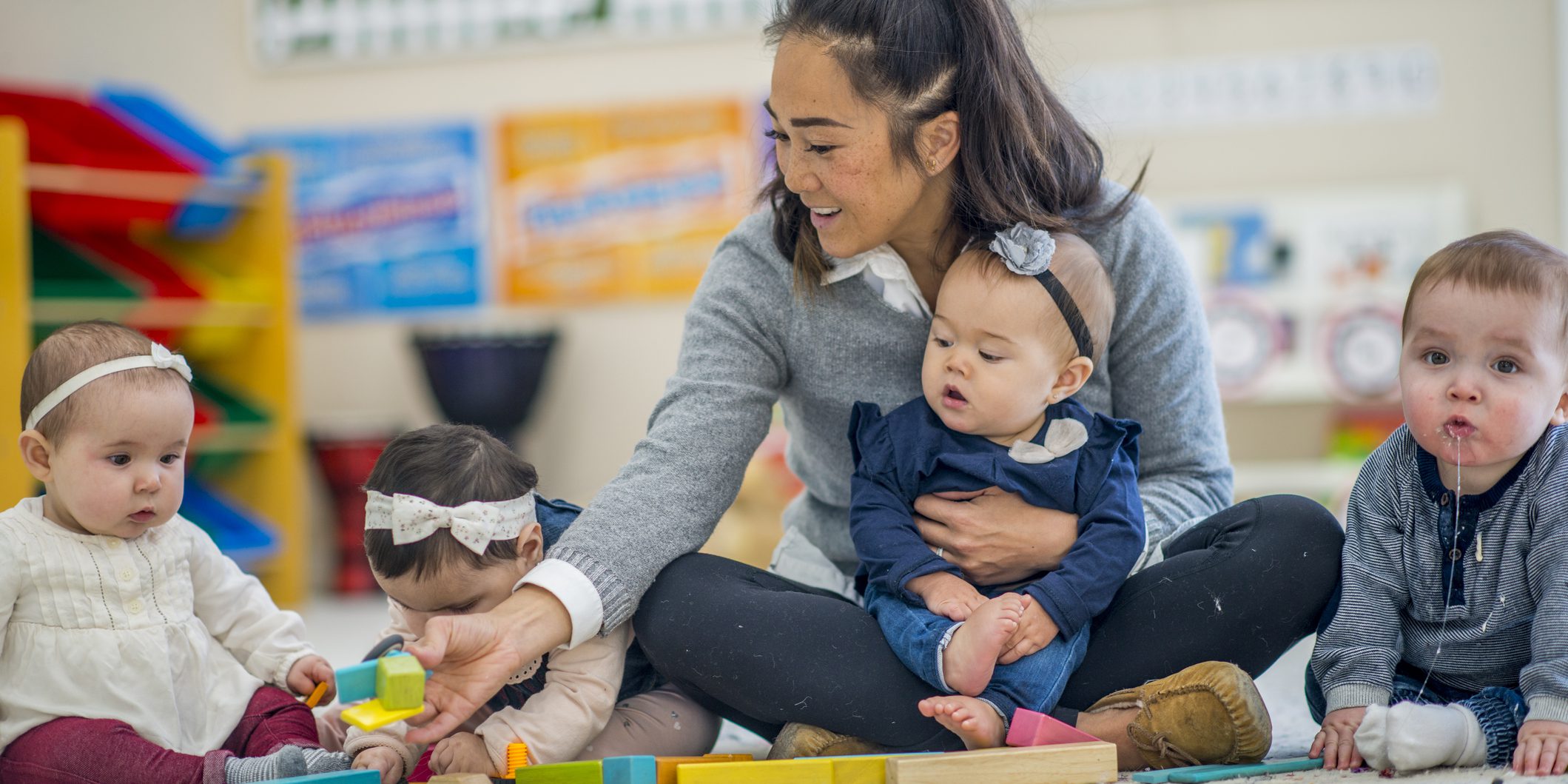
This video from the Center on the Developing Child discusses the importance of play for fostering children’s resilience and building their social-emotional skills.
Age group(s): Infant, Toddler, PreschoolResource Type: Video Example
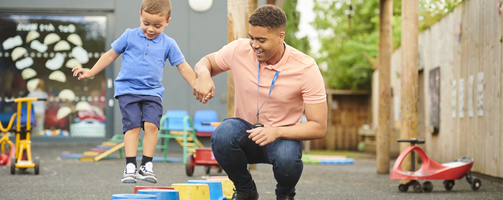
This webpage from the American Academy of Pediatrics includes age-specific ideas for playful learning for children aged 0 to 6 years. This page can also be shared with families to encourage play at home.
Age group(s): Infant, Toddler, Preschool, School-ageResource Type: Publication
Practice and Improve
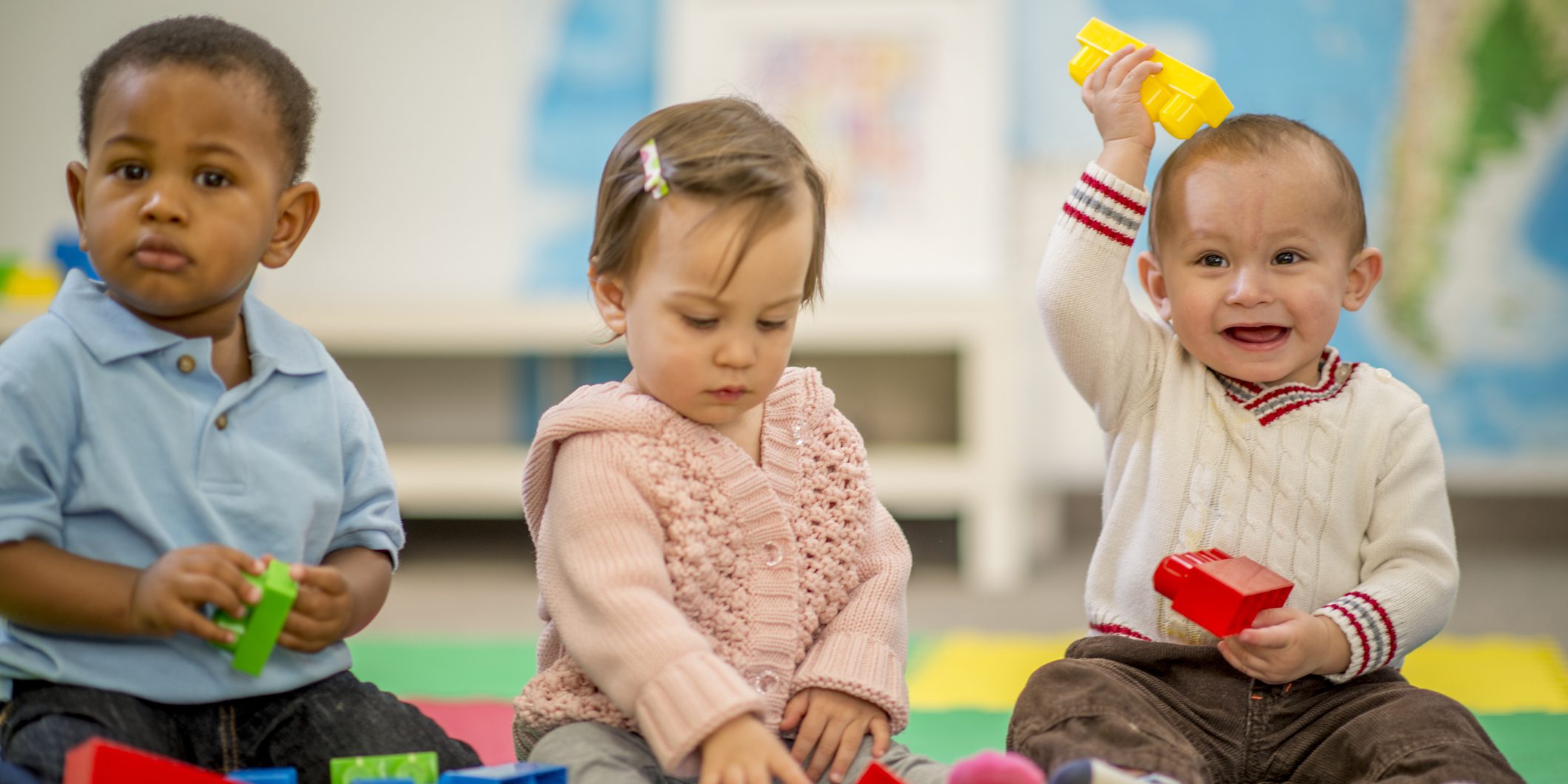
The Circle Activity Collection: Infant and Toddler translates research into practice through a variety of hands-on, play-based learning activities that teachers can implement in their classrooms in whole groups, small groups, and with individual children. Access the collection for free with your CLI Engage account.
Age group(s): Infant, ToddlerResource Type: Activity
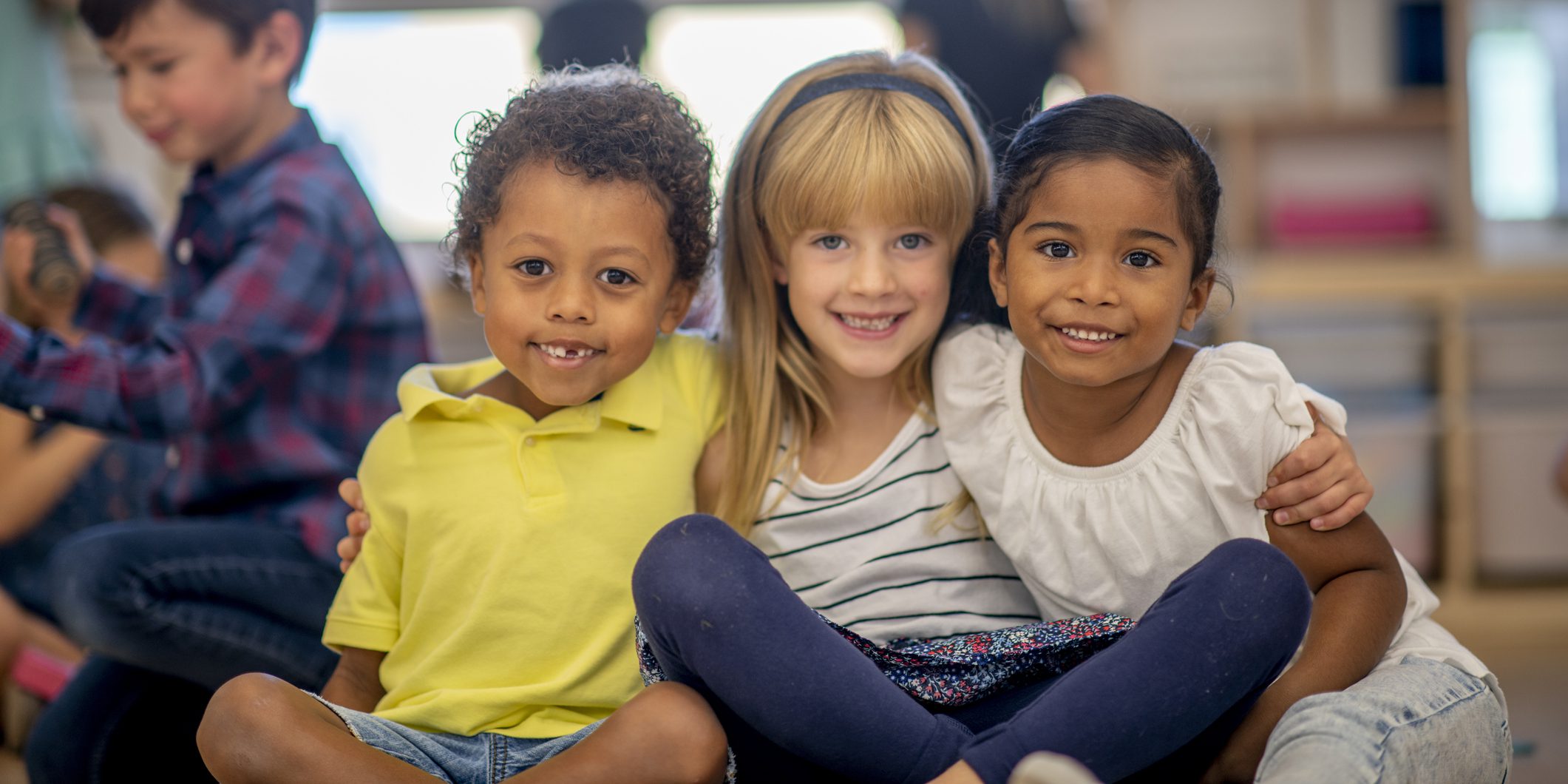
The Circle Activity Collection: Pre-K to Grade 2 translates research into practice through a variety of hands-on activities that school-age teachers can implement in their classrooms. Filter these play-based activities by learning area or setting (e.g., small group). Access the collection for free with your CLI Engage account.
Age group(s): Preschool, School-ageResource Type: Activity
In this series of video segments, teachers participate in play with infants, toddlers, preschoolers, and after-school children throughout the day. As the teachers play with the children, they take time to expand on any initiated play that might occur, reinforce language, and follow their agenda during play.
Age group(s): Infant, Toddler, Preschool, School-ageResource Type: Video Example
In this series of video segments, teachers provide guidance to infants, toddlers, preschoolers, and after-school children throughout the day. As the teachers play and work with the children, they make sure to accept the way children choose to do activities, use encouraging communication, and encourage problem-solving, all without using directive statements.
Age group(s): Infant, Toddler, Preschool, School-ageResource Type: Video Example
In this series of video segments, teachers provide social opportunities for infants, toddlers, preschoolers, and after-school children throughout the day. In the video, teachers give children opportunities to interact with each other during mealtimes, centers, and outdoor time, all while facilitating how the children interact as they play together.
Age group(s): Infant, Toddler, Preschool, School-ageResource Type: Video Example
In this series of video segments, teachers engage in a playful attitude with infants, toddlers, preschoolers, and after-school children throughout the day. The teachers work with the children to encourage them to make believe, make choices, and adjust activities to their own interests throughout the day.
Age group(s): Infant, Toddler, Preschool, School-ageResource Type: Video Example
View more resources by clicking the link for each measure in the Define section.