
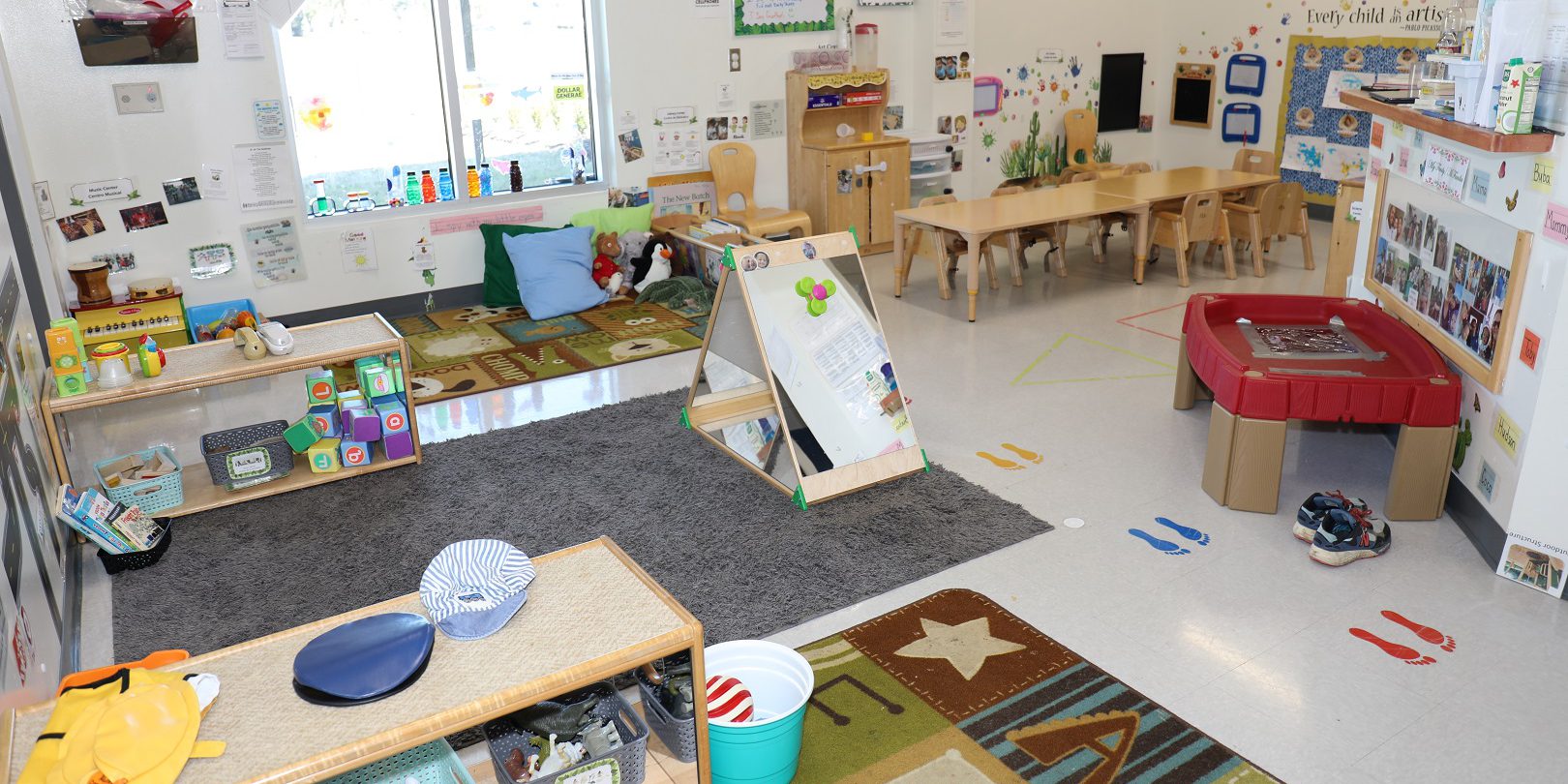
Carefully planned spaces intentionally include all the materials and activities that children need to grow and develop. Children should also have the opportunity to make choices on the materials that they engage with. Therefore, the indoor environment should be arranged in a way that enables children to easily access the materials they want. Children should engage with materials through a consistent balance of child- initiated and teacher-initiated opportunities.
A well-designed classroom can even prevent challenging behaviors. Minimizing large open spaces where children can run, providing enough center materials so children don’t have to compete, and using visual cues are some ways practitioners can prevent unwanted behaviors.
During their visit, Texas Rising Star assessors will evaluate whether the indoor learning environment is organized to facilitate independent use of materials as children learn in centers. They will also determine whether materials are accessible to all children and reflect a variety of diverse cultures, life roles, abilities, and/or ethnicities.
Stop and Reflect

Is your classroom arranged in a way that is inviting to all children? Are you intentional about the materials children have access to?
How confident do you feel that your classroom:
-
- Supports several kinds of learning experiences?
- Facilitates independent use of spaces and materials?
- Reflects diverse cultures, life roles, abilities, and/or ethnicities in non-stereotypical ways?
What support do you need from your Texas Rising Star mentor to help you create an intentional indoor environment?
Define
Texas Rising Star has five measures related to the indoor environment. Click the links to learn more about these measures.
-
- P-ILE-01: Indoor environment is arranged to facilitate division of interest areas for play (as developmentally appropriate) and allow children to move easily from one area to another; for infants, a variety of stimulating opportunities for learning is provided that may change throughout the day
- P-ILE-02: Equipment and materials portray people in a manner that is non-stereotypical and culturally sensitive
- P-ILE-03: Developmentally appropriate teacher- and child-created visual materials and realistic pictures are displayed at children’s eye level
- P-ILE-04: Equipment and materials reflect children’s interests, appear inviting to children, and are arranged so children know where to find things and may easily select and return items
- P-ILE-05: Equipment and materials encourage hands-on manipulation of real objects
Learn

Program staff can use this online module by the Vanderbilt IRIS Center to learn about how to accommodate children with visual disabilities in a physical learning environment by becoming familiar with common devices used, techniques on how to guide children, and tips for setting up the classroom.
Age group(s): Infant, Toddler, Preschool, School-ageResource Type: Online Course
The Classroom Environment Checklist (CEC) is a tool that early childhood professionals can use to evaluate and improve their classroom environments. The tool can be used to set goals for classroom enhancements, track progress over time, and provide direction for coaching or technical assistance.
Age group(s): Infant, Toddler, Preschool, School-ageResource Type: Checklist

This online course reviews key objectives and examples of well-designed indoor early childhood environments. Practitioners will gain strategies on how to design and implement effective physical, social, and temporal environments for children.
Age group(s): Infant, Toddler, PreschoolResource Type: Online Course

This checklist can be used for self-assessment by a director or classroom teacher as well as the mentor to determine what elements may be needed to provide a high-quality learning environment. Some items may not be required for Texas Rising Star but are indicators of high-quality learning environments.
Age group(s): Infant, Toddler, Preschool, School-ageResource Type: Checklist

This online course introduces how to design environments for infants and toddlers that promote responsive caregiving, exploration, and safety. It also includes support for selecting materials and setting up routines. The course includes reflection questions and application exercises that can be used to generate ideas for improvement.
Age group(s): Infant, ToddlerResource Type: Online Course

This online course walks participants through the importance of designing preschool environments for learning, selecting quality materials, establishing routines, ensuring cultural relevance, and adapting environments to support children with special needs. It also connects to competency and observation tools to support improvement planning.
Age group(s): PreschoolResource Type: Online Course
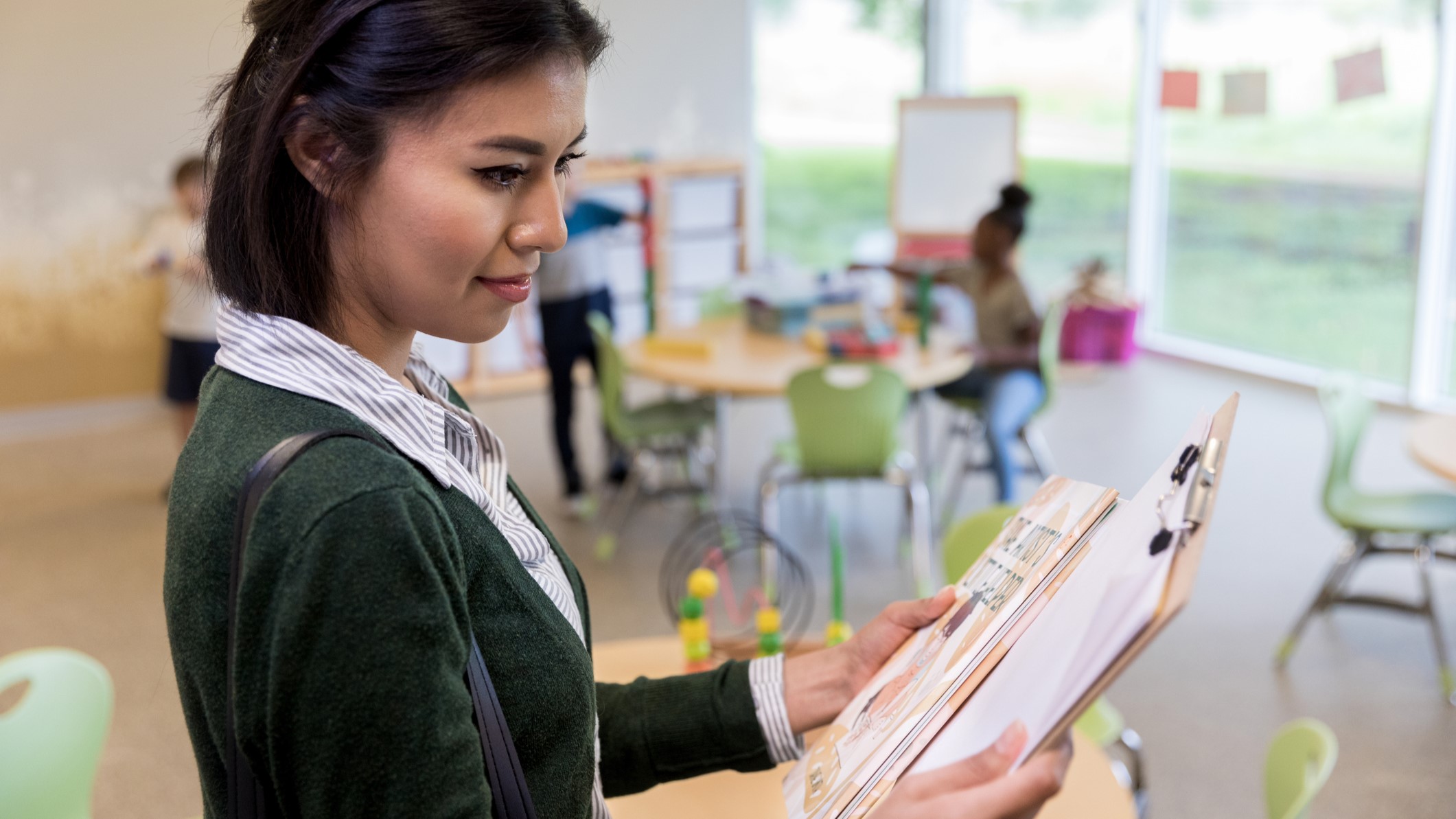
This planning form helps programs identify indoor and outdoor interest areas and the real objects provided in those areas. Use this form with teachers to reflect on what’s currently available and what improvements can be made.
Age group(s): Infant, Toddler, Preschool, School-ageResource Type: Observation Tool

This in-service suite explores guidelines on how to select classroom materials. The purpose of the presentation is to provide participants with an opportunity to select and then use materials so that all children have access to quality teaching and learning.
Age group(s): Infant, Toddler, Preschool, School-ageResource Type: Training