This brief guide provides ideas for how to bring real natural objects inside the classroom, as well as ideas for how to use the objects to promote conversation with children. Classrooms can use this guide to generate ideas for incorporating more natural objects.
This publication by Penn State Extension discusses the benefits of incorporating natural elements in children’s play and how providers can set it up. It also includes pictures from classrooms as examples.
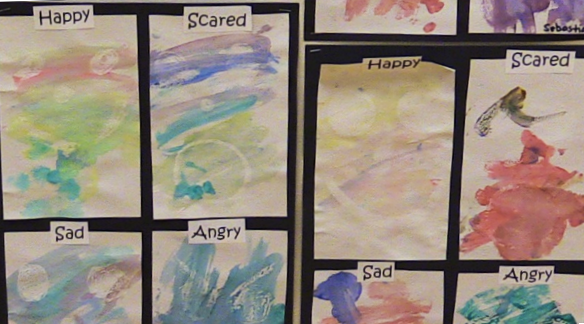
This photo shows a display of toddlers’ artwork along with photographs of the children engaging in the original art activity. Notice that the artwork is displayed at children’s eye level, grouped for each child, and includes labels for the different emotion words.
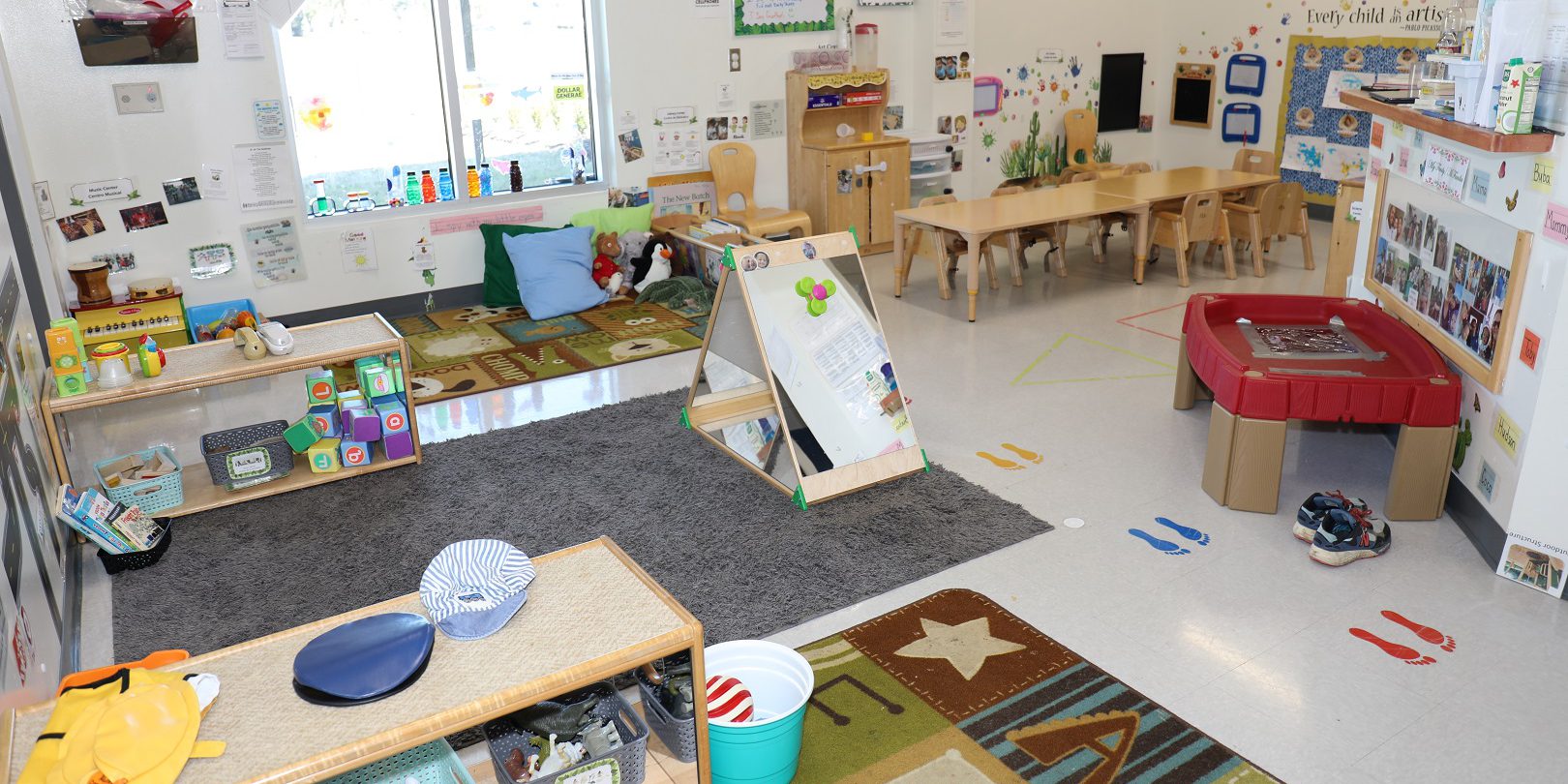
These photos show environments where materials are thoughtfully organized to encourage children’s independence and choice. The arrangement of these materials supports various interest areas, allowing children to engage in activities that appeal to them.
This tip sheet includes ideas for how to divide interest areas and the types of developmentally appropriate toys and materials to include in each one. This sheet also includes tips for keeping areas organized and refreshed with new materials.
This tip sheet includes ideas for setting up environments that promote interest in exploring materials. Use these tips and incorporate real-world objects like real cookware, food containers, magazines, pine cones, rocks, etc.
Areas for gross motor play are important for infants to develop strong bodies and to practice new movements. This photo shows a classroom setup that includes soft mats that encourage crawling, sitting, and climbing.
Real world objects can support a variety of skills, including gross motor play. In this photo we see toddlers playing with a real box and laundry basket.
This infant classroom has clear play areas with a variety of developmentally appropriate books, toys, and sensory materials. Notice that the materials are organized low to the ground to promote infants’ exploration.
Displaying family photographs at eye level is a great way to help children feel connected to their classroom and promote language and conversation. Notice how this infant room has family photos taped to the floor, where they are more easily seen by infants who aren’t yet standing.