
An important part of becoming a learner is a child’s ability to regulate themselves in different situations. This might look like an infant who responds to attentive caregiving by calming down, a young toddler who self-soothes or asks a trusted adult for help when they experience strong emotions, or a preschooler who uses coping strategies and describes how they are feeling with some guidance. Children use behavioral and emotional self-regulation skills as they manage their feelings while playing with others and when following classroom rules. Classrooms with clearly defined rules, routines, and expectations promote positive engagement with learning.
During the site visit, Texas Rising Star assessors will evaluate the techniques that teachers use to support children’s regulation.
Stop and Reflect

How do you support children’s self-regulation?
How confident do you feel:
-
- Establishing rules and routines?
- Helping children express their needs and emotions?
- Responding calmly to mishaps or conflicts?
What support do you need from your Texas Rising Star mentor to help you support children’s regulation?
Define
Texas Rising Star has six measures related to supporting children’s regulation. Click the links to learn more about these measures.
-
- P-SCR-01: Models or encourages emotional expression (encourages children to express feelings, labels feelings, thinks aloud to model their own feelings and reactions; makes connections between actions and emotional reactions)
- P-SCR-02: Provides children with short explanations that help them understand why they are feeling a certain way
- P-SCR-03: Explains logical consequences for behaviors rather than providing arbitrary consequences
- P-SCR-04: Encourages self-regulation by consistently implementing program rules and routines (signals transitions, referring to the sequence and structure of the day and balancing structured and unstructured playing and learning opportunities)
- P-SCR-07: Assists children in their communications and interactions with peers (guides them as they resolve conflicts, speak respectfully to each other, initiate and expand on each other’s play ideas)
- P-SCR-08: Encourages children to assist with routines and procedures that help build self-help skills
Learn

Connect with Me is a five-part series of courses designed to provide teachers and caregivers of infants and toddlers with the skills and knowledge to support social and emotional development. Participants will learn about social-emotional milestones, theories, and long-term outcomes through video segments, expert interviews, and research-based resources. (10 hours)
Age group(s): Infant, ToddlerResource Type: Online Course

This course focuses on preschoolers’ development of self-concept, self-control, social competence, and social awareness. Participants will learn about age-appropriate social-emotional goals for preschool children and learn effective strategies to help children develop social-emotional skills. (4 hours)
Age group(s): PreschoolResource Type: Online Course
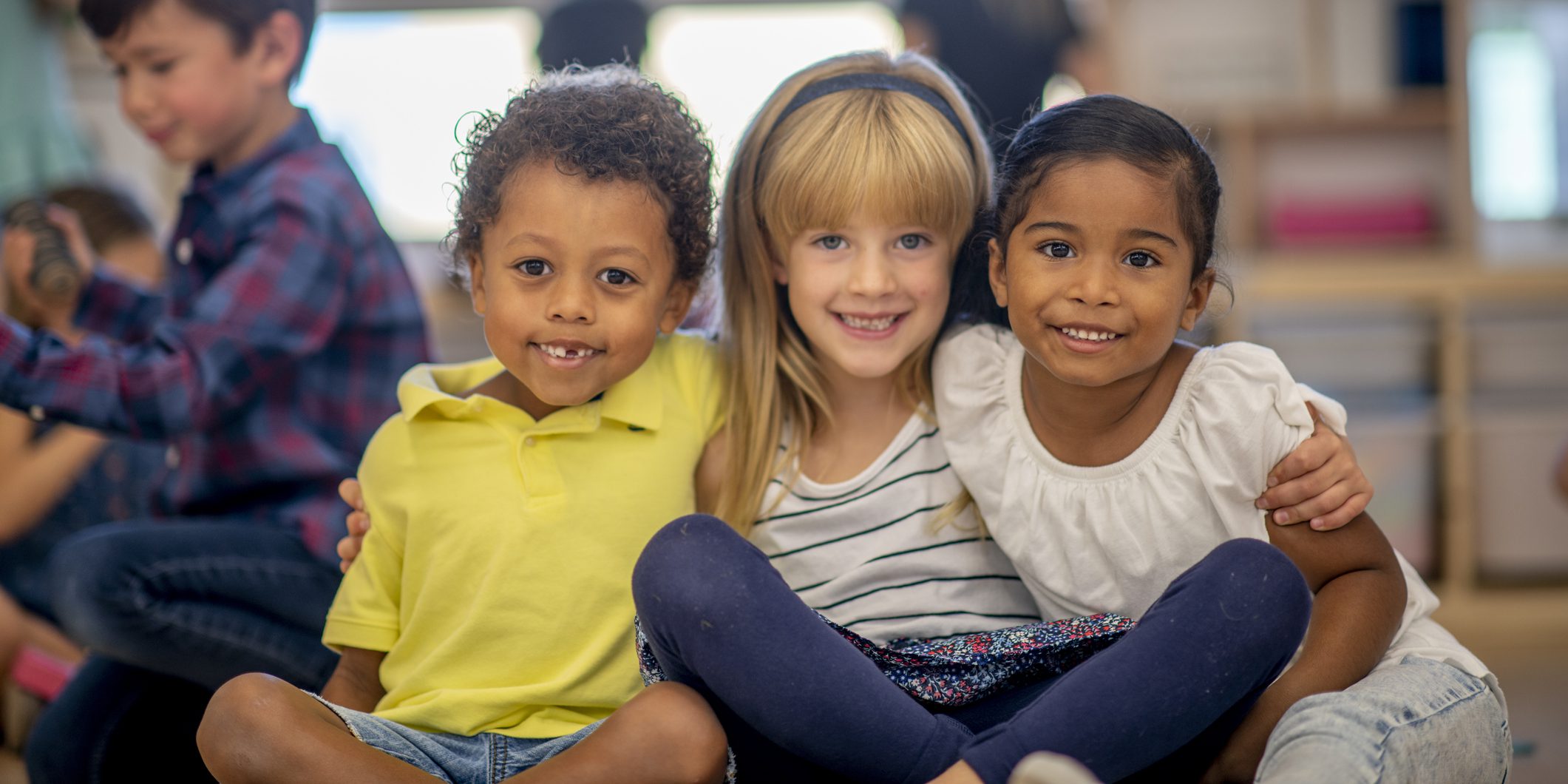
This page includes strategies for embedding high-quality social-emotional support, which builds children’s self-regulation skills. The page also links to activities within the Circle Activity Collection that can be used to help children practice self-regulation, emotional understanding, self-help skills, and relationships with others.
Age group(s): PreschoolResource Type: Activity
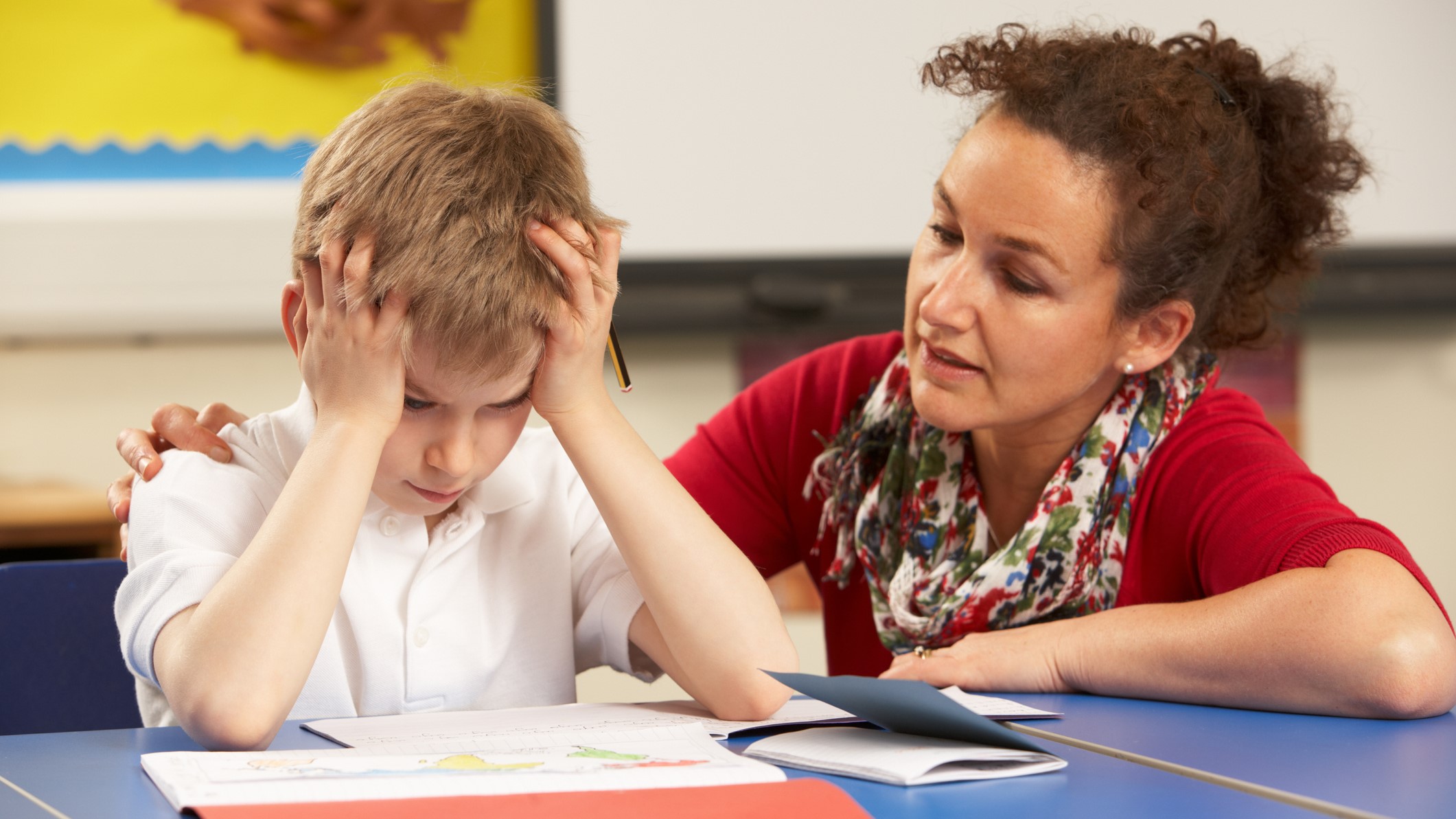
This article will help you understand the connections between self-regulation skills in children, their brain development, and your own responses to children who are having a difficult time self-regulating. The author also provides specific strategies that can be used to prevent and de-escalate rising tensions.
Age group(s): Infant, Toddler, PreschoolResource Type: Guide
In this webinar, viewers will define social, emotional, and regulatory development and explore how to support children’s growth in these areas. Upon completion, viewers will identify activities to implement either remotely or in the classroom that will support children’s regulation.
Age group(s): Infant, Toddler, Preschool, School-ageResource Type: Webinar

NCPMI’s Pyramid Model Preschool Module Series focuses on practices for building relationships with and promoting healthy relationships between children. This module focuses on teaching practices that support self-regulation, emotional literacy, problem-solving, and teaching friendship skills.
Age group(s): PreschoolResource Type: Online Course

Caregivers can support young children in their ability to modulate their behavior and emotional expression by having realistic expectations and helping children develop self-regulation skills. This course discusses how teachers can promote self-regulation, practice appropriate transitions, and be responsive in stressful situations. (2 hours)
Age group(s): Infant, ToddlerResource Type: Online Course
Practice and Improve
In this video, teachers support toddlers, preschoolers, and school-age children to communicate effectively as conflict arises with their peers.
Age group(s): Toddler, Preschool, School-ageResource Type: Video Example
In this video, teachers encourage children to develop self-help skills like handwashing and serving themselves. Building these skills promotes children’s independence, self-reliance, and self-esteem.
Age group(s): Infant, Toddler, Preschool, School-ageResource Type: Video Example

The Early Learning Matters (ELM) Curriculum is an extensive, research-informed program created to support the optimal learning and development of children from birth to five years of age. ELM offers a comprehensive, developmentally appropriate approach to meaningful learning for all children.
Age group(s): Infant, Toddler, PreschoolResource Type: Curriculum
In this video, you will see teachers encouraging self-regulation by implementing and consistently following classroom rules and procedures. You will notice that the children are aware of expectations as proof that these routines occur regularly.
Age group(s): Toddler, Preschool, School-ageResource Type: Video Example
This video shows teachers explaining reasonable consequences for children’s behaviors and enforcing consequences that are specifically related to misbehavior.
Age group(s): Toddler, Preschool, School-ageResource Type: Video Example
This video shows teachers modeling and encouraging children of multiple age groups to understand their feelings. Helping children make connections between their actions and emotional reactions is one of the ways teachers help support children’s regulation.
Age group(s): Toddler, Preschool, School-ageResource Type: Video Example
This video shows teachers providing short explanations that help children of multiple age groups understand why someone is feeling a certain way.
Age group(s): Toddler, Preschool, School-ageResource Type: Video Example
View more resources by clicking the link for each measure in the Define section.