
Outdoor learning experiences are necessary for healthy development. Daily opportunities to play outdoors help children develop their gross motor (big muscle) skills as they run, jump, climb, and crawl. There are cognitive benefits to children’s outside play, too, like exploring the world around them and increasing their knowledge of living things. Learning from the indoors can often extend into outdoor time, and vice versa. Programs can use themes from the classroom with the activities and games that children play outdoors, and they can encourage children to bring natural elements back inside for further investigation.
During their visit, Texas Rising Star assessors will observe the typical outdoor space and the materials and equipment that children have access to.
Stop and Reflect

Do you provide children with age-appropriate materials and equipment during outdoor play? How do you set up the outdoor area for learning and exploration?
How confident do you feel:
-
- Linking and reinforcing indoor learning when outside?
- Providing children with opportunities to explore living things?
- Encouraging physical activity?
What support do you need from your Texas Rising Star mentor to help you create a stimulating outdoor environment?
Define
Texas Rising Star has four measures related to the outdoor environment. Click the links to learn more about these measures.
-
- P-OLE-01: Outdoor environment allows children to engage in natural small groupings with activities that are linked to and reinforce indoor learning
- P-OLE-02: Outdoor environment provides children with the opportunity to care for living things and appreciate nature
- P-OLE-03: Outdoor environment and natural and manufactured equipment and materials provide partial shade and motivate children to be physically active and engage in active play such as balancing, climbing, crawling, moving, pushing, pulling, riding, walking, and running.
- P-OLE-05: Outdoor equipment and materials encourage infants to experience the environment
Learn
Take a guided interactive virtual tour of an outdoor learning environment at a real child care center with labels marking key elements to promote learning and engagement. There are also videos by the Natural Learning Initiative linked to the labels to explain the purpose of each outdoor feature. Program staff can use this tool for inspiration on how to design their outdoor learning environment.
Age group(s): Toddler, Preschool, School-ageResource Type: Guide

This checklist can be used for self-assessment by a director or classroom teacher as well as the mentor to determine what elements may be needed to provide a high-quality learning environment. Some items may not be required for Texas Rising Star but are indicators of high-quality learning environments.
Age group(s): Infant, Toddler, Preschool, School-ageResource Type: Checklist

This publication by Green Schoolyards America promotes the importance and benefits of nature play for young children. Program staff can utilize the recommendations and examples for designing their own outdoor learning environments in a safe and resourceful manner.
Age group(s): Infant, Toddler, Preschool, School-ageResource Type: Guide

This guide lists different types of activity settings and design considerations for outdoor learning environments. Each activity setting is accompanied by a picture to illustrate how the setting can promote learning and interactive play. Program staff can use these guidelines to incorporate common natural elements into an interactive outdoor learning environment for children.
Age group(s): Infant, Toddler, Preschool, School-ageResource Type: Toolkit
Practice and Improve
This video illustrates materials that support exploration of infants in an outdoor learning environment through a collection of labeled photographs. Note: This video has no audio.
Age group(s): Infant, Toddler, Preschool, School-ageResource Type: Video Example
This video illustrates materials that supports children engaging in physical activity in an outdoor learning environment through a collection of labeled photographs. Note: This video has no audio.
Age group(s): Infant, Toddler, Preschool, School-ageResource Type: Video Example
This video illustrates materials that support exploration of infants in an outdoor learning environment through a collection of labeled photographs. Note: This video has no audio.
Age group(s): InfantResource Type: Video Example
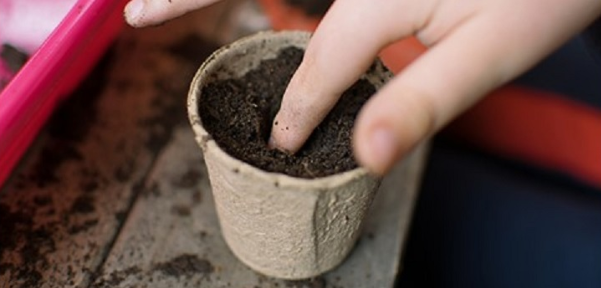
This outdoor environment provides children with plants and dirt to encourage them to play and interact with nature. Here, they can plant seeds and care for them as they grow into plants.
Age group(s): Infant, ToddlerResource Type: Photo Example
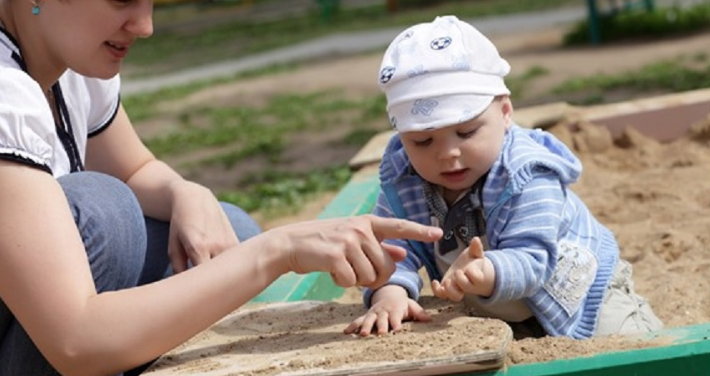
Children can appreciate nature in these outdoor spaces. In one area, they can play and interact with sand; in another area, they can explore landscaping items like pebbles and rocks.
Age group(s): Infant, ToddlerResource Type: Photo Example
This video includes a collection of photographs of outdoor learning environments. Notice how these toys and materials support learning in small groups while reinforcing what children are learning indoors. Note: This video has no audio.
Age group(s): Infant, Toddler, Preschool, School-ageResource Type: Video Example
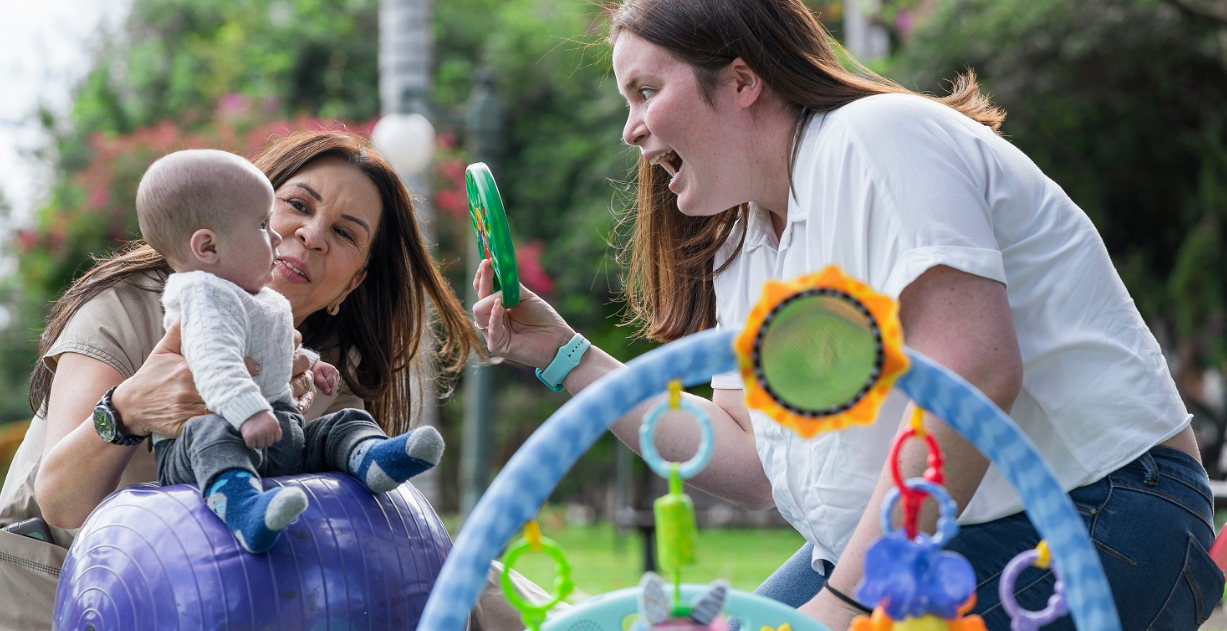
This outdoor environment for infants has several developmentally appropriate materials. There are balls, play mats, and rattles for the baby to explore outside.
Age group(s): InfantResource Type: Photo Example
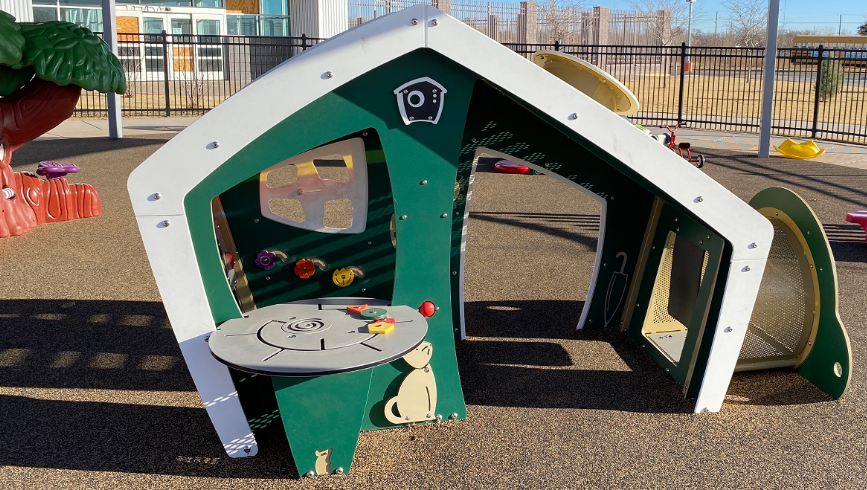
This engaging play structure provides many opportunities for children to move, crawl, and twist. This structure also provides additional shade while children are playing.
Age group(s): ToddlerResource Type: Photo Example
View more resources by clicking the link for each measure in the Define section.