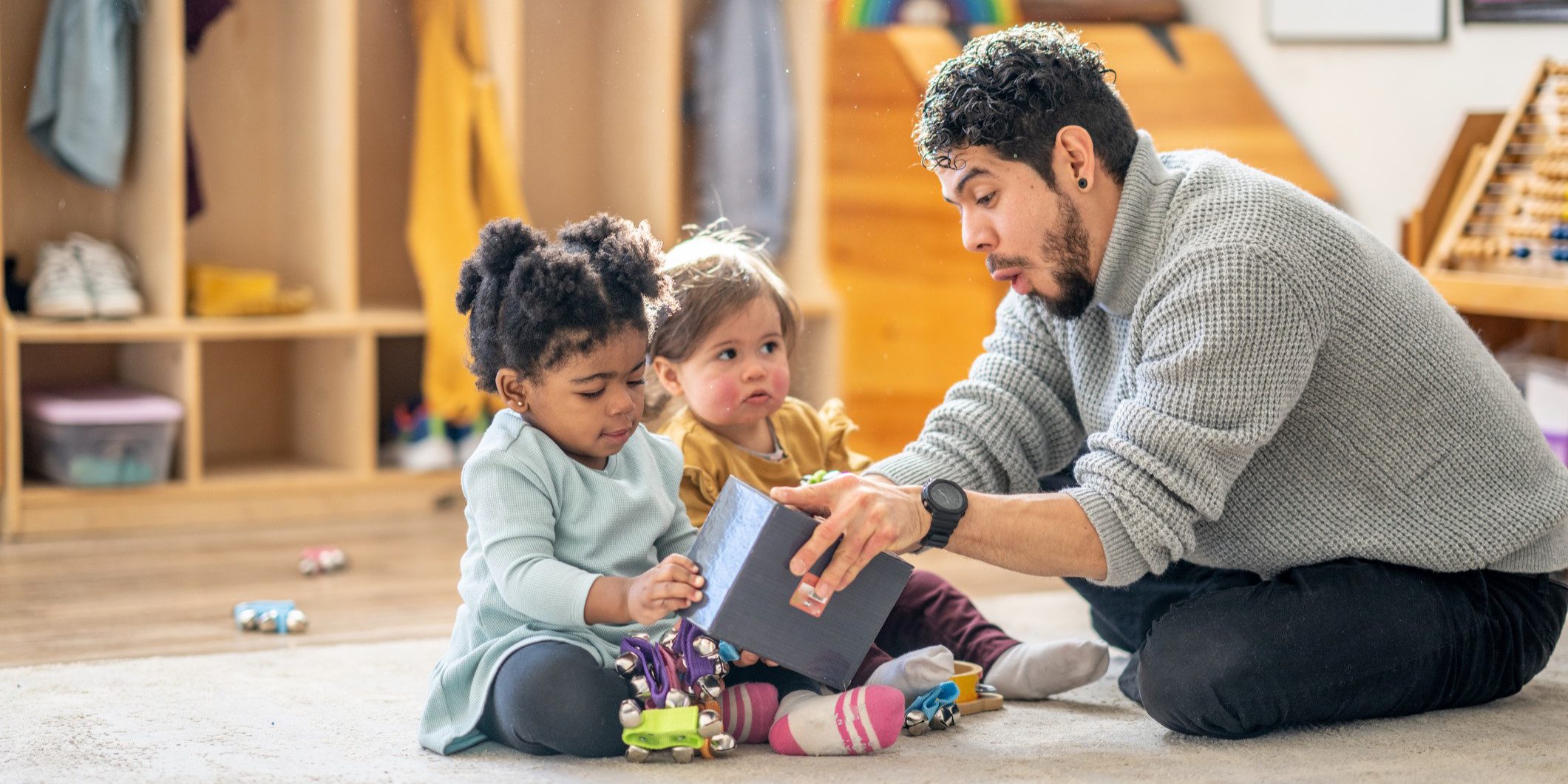
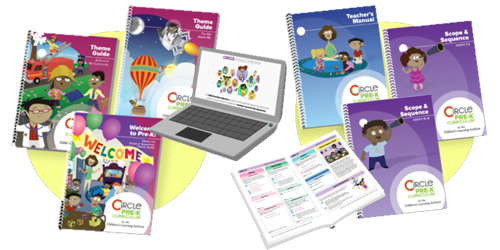
The Circle Infant and Toddler Curriculum provides everything your program needs to implement positive and engaging learning environments and experiences that support children’s individual needs, interests, and abilities while building a joy for learning.
The Circle Pre-K Curriculum supports the cognitive, social, and emotional development of pre-K children. Professional development resources such as video tutorials, lesson plan templates, and the teacher’s manual act as curriculum planning supports for weekly planning and instruction. This research-based curriculum and its resources are freely available to early learning programs through CLI Engage.
Here is an exemplary written policy outlining how a program supports families and children who may need additional accommodations. Program leaders can include similar policies in the program’s family handbook as evidence of programmatic processes and classroom accommodations for families and children to include home language, differing abilities, and/or cultural backgrounds. This sample is available in English and Spanish.
PBS Kids for Parents has a variety of crafts, experiments, and learning activities for families to do at home with their children. Families can filter this free activity collection by age, topics, and their child’s favorite PBS television show.
Here is a template of an annual feedback survey for families to complete. Program leaders can use a similar survey—hard copy or electronic—to provide families with the opportunity to provide structured feedback on the program, staffing, and classrooms. Download will start automatically.
PennState Extension provides practitioners with steps and suggestions to support breastfeeding parents. In addition to including written policies in the family handbook and providing a designated breastfeeding area, program leaders can provide this resource in the parent resource library or electronically to support the breastfeeding parent and the overall health and safety of children.
This website contains several breastfeeding resources that a program can share with enrolled families. In addition to including written policies in the family handbook and providing a designated breastfeeding area, program leaders can provide this resource in the parent resource library or electronically to support the breastfeeding parent and the overall health and safety of children.
CDC’s developmental milestone checklists are communication tools intended to encourage ongoing conversations between families and professionals. They also help promote early identification of and action on potential developmental concerns so that children and families can get the early services and support they may need.
This is an example of an early learning program’s written policy and process for addressing challenging behaviors of children. The exemplar includes evidence of the families being informed of their child’s progress, as well as the ongoing conversations between staff and the family framed around school readiness and the objective of the program.
The Circle Activity Collection: Family (CAC) translates child development research into practice by providing a variety of hands-on activities that families can do at home. The CAC allows families to learn more about the growth and development of their child. The CAC: Family is freely available to the public through CLI Engage.