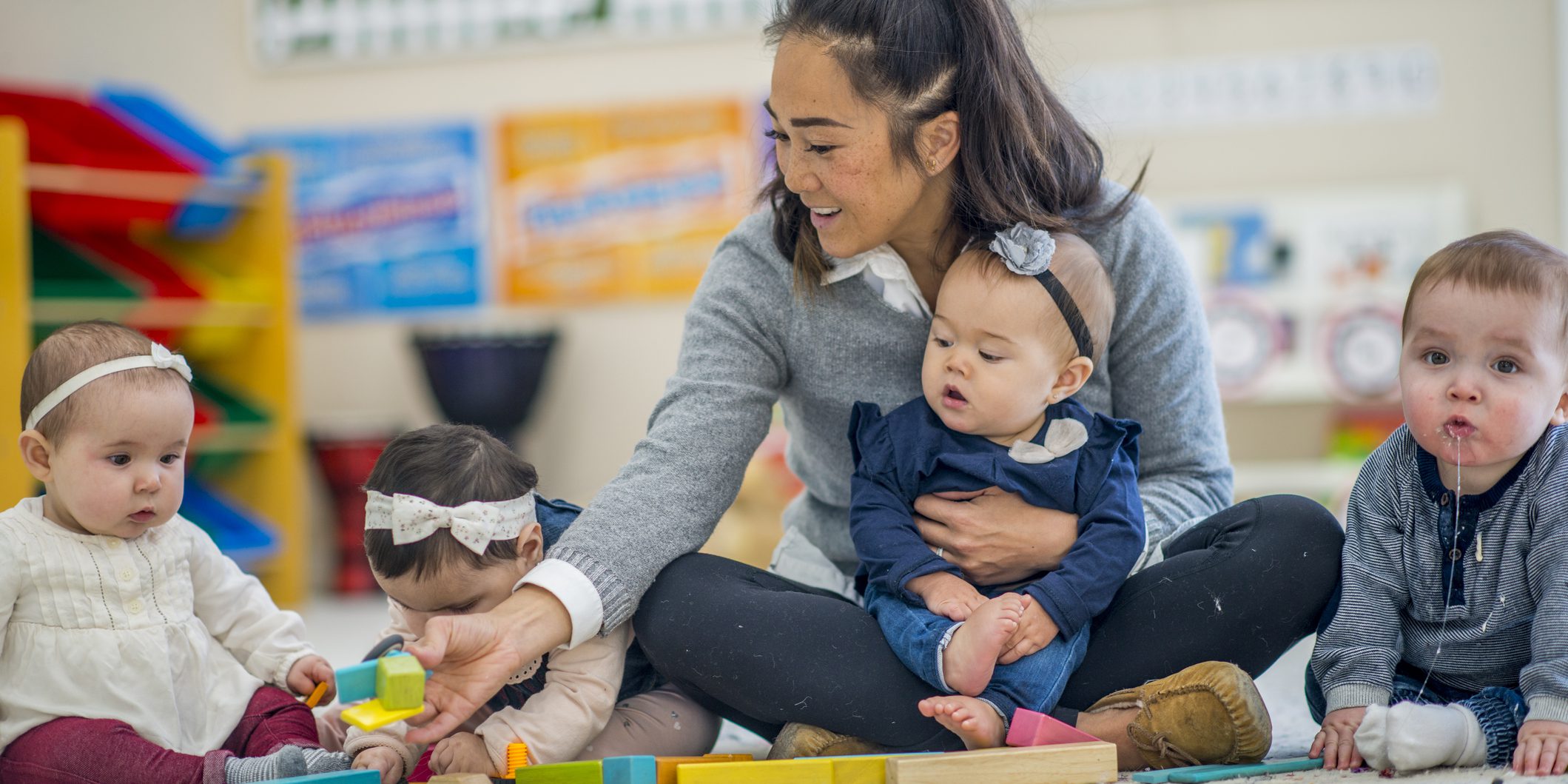
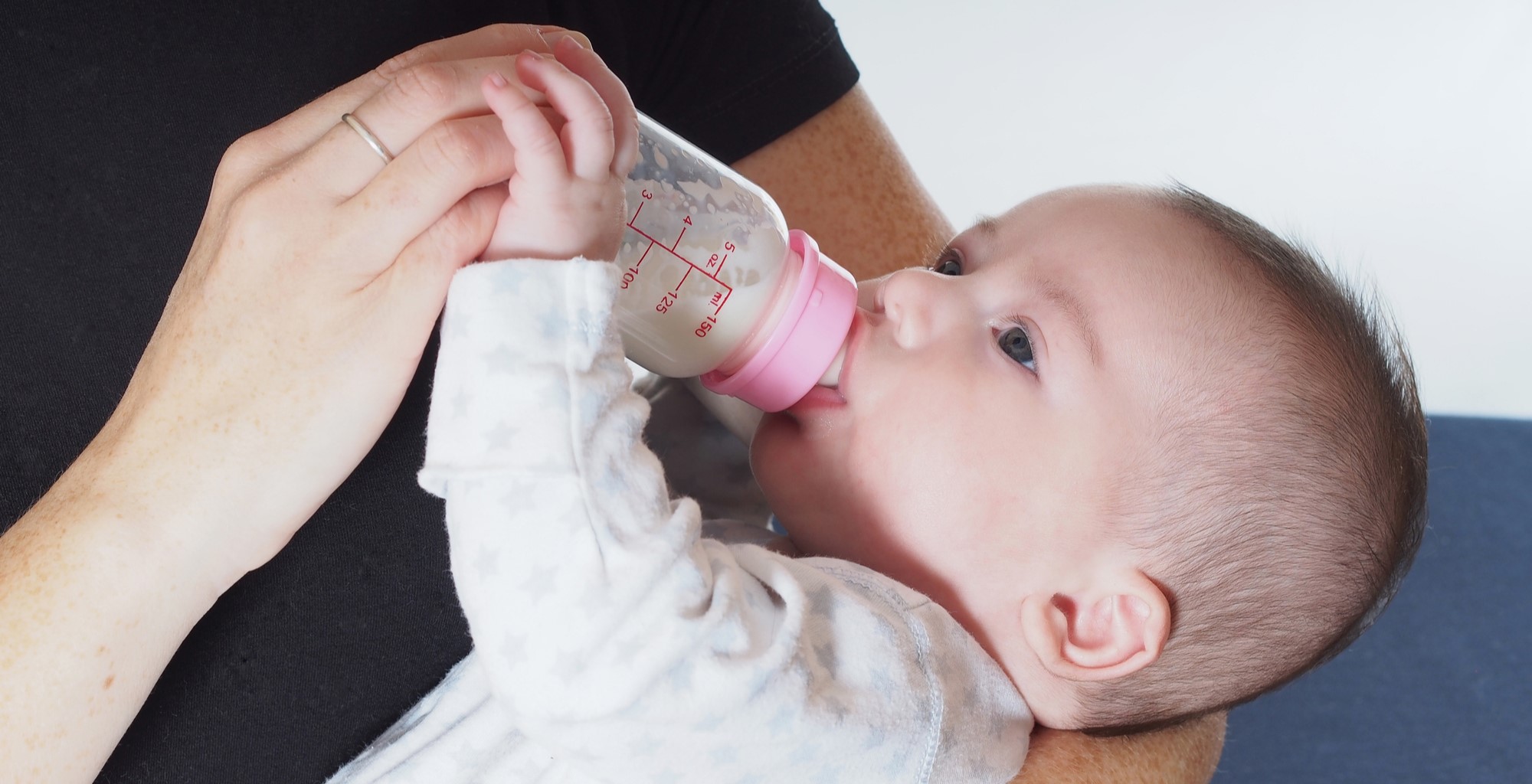
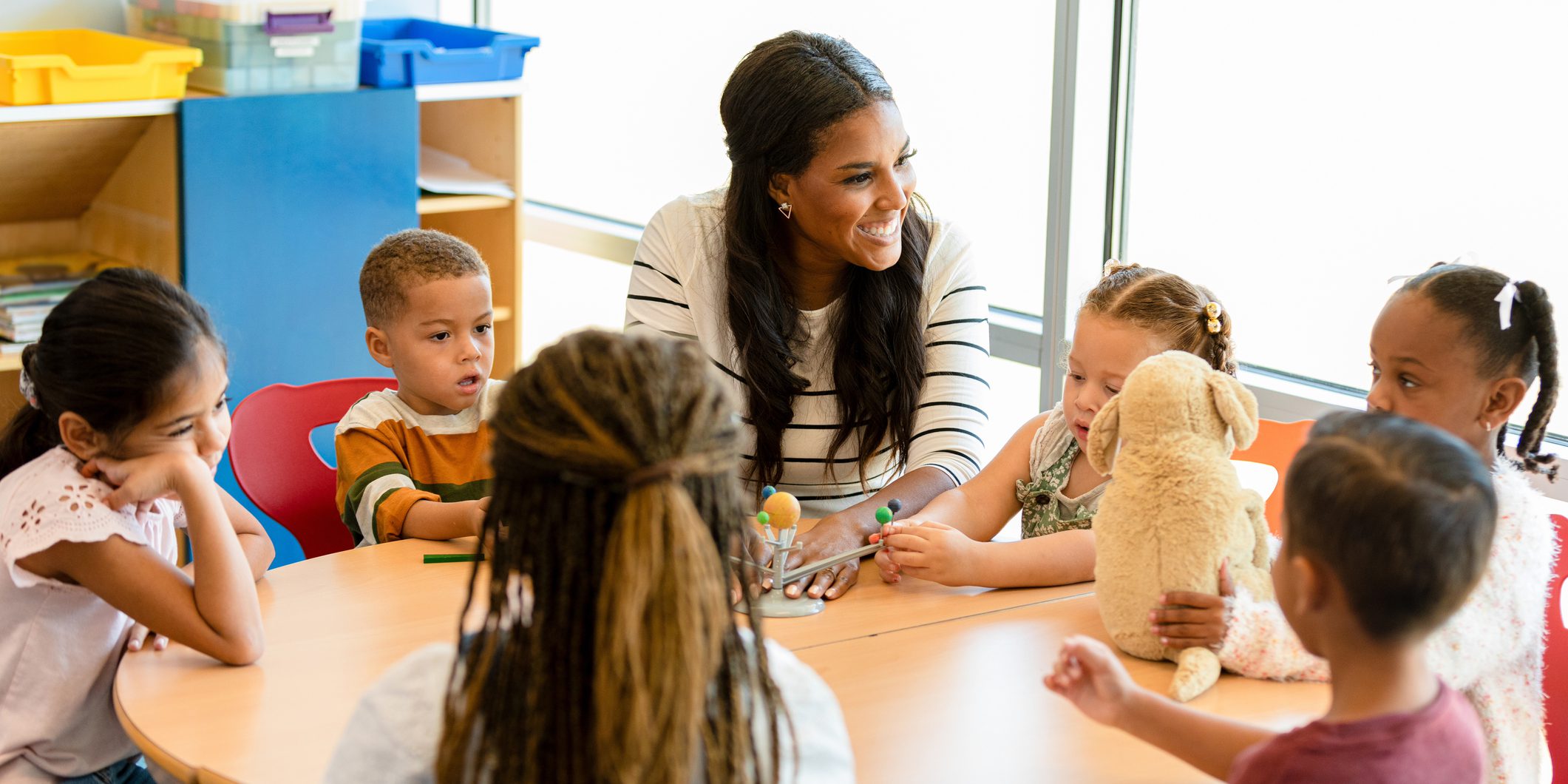
This measure assesses how the teacher talks to children throughout the day during activities, including diaper change, feeding, mealtime, outdoor play, and group events. While teachers are likely to have brief periods of low verbal engagement (momentary distraction, allowing children time to explore or talk among themselves), teachers are generally expected to speak with children across various activities and daily routines. This measure also notes whether the teacher’s communication goes beyond basic communication, including stimulation that supports learning and child engagement. For example, during snack time, the teacher can sit with the children and talk to them about the nutrients in their snacks versus standing on one side to monitor the children.
Category: Category 2: Teacher-Child Interactions
Subcategory: Language Facilitation and Support
Examples
In this section you will find videos, images, and/or documents that can be used to better understand this measure. These examples can also be used in conversations between mentors, directors, and/or teachers to discuss how the program's current practices compare to these examples.
Video Example
This video from the WGBH Educational Foundation shows the importance of communicating with infants throughout the day. From this video, infant teachers can see how to provide infants with language stimulation during the day’s routines and activities.
Age(s): Infant
Practice Opportunities
These resources include tips, strategies, activities, or specific tools related to this measure that programs can put into practice.
Activity
In this activity, the caregiver will engage an infant in a “conversation” during a routine daily activity. Caregivers can talk to babies and imitate sounds during diaper changes, mealtimes, and tummy time.
Age(s): Infant
Activity
In this activity, children identify and draw items they find on a nature walk. The teacher can support each group of children by having conversations with them about what they find, what they notice, and what they’re drawing. The teacher can also describe how children help each other.
Age(s): Preschool
Activity
Toddlers practice taking turns in conversation with a teacher during a meal or snack. Caregivers can label what children are eating and use rich vocabulary to describe the food to build children’s language.
Age(s): Toddler
Publication
This publication from PennState Extension explains how mealtime–breakfast, lunch, snack, or dinner–can support children’s early language and literacy development. This resource gives a list of “conversation starter” questions and food recipes with instructions to support teachers in having meaningful conversations at the table.
Age(s): Infant, Toddler, Preschool, School-age