Support for Children's Regulation
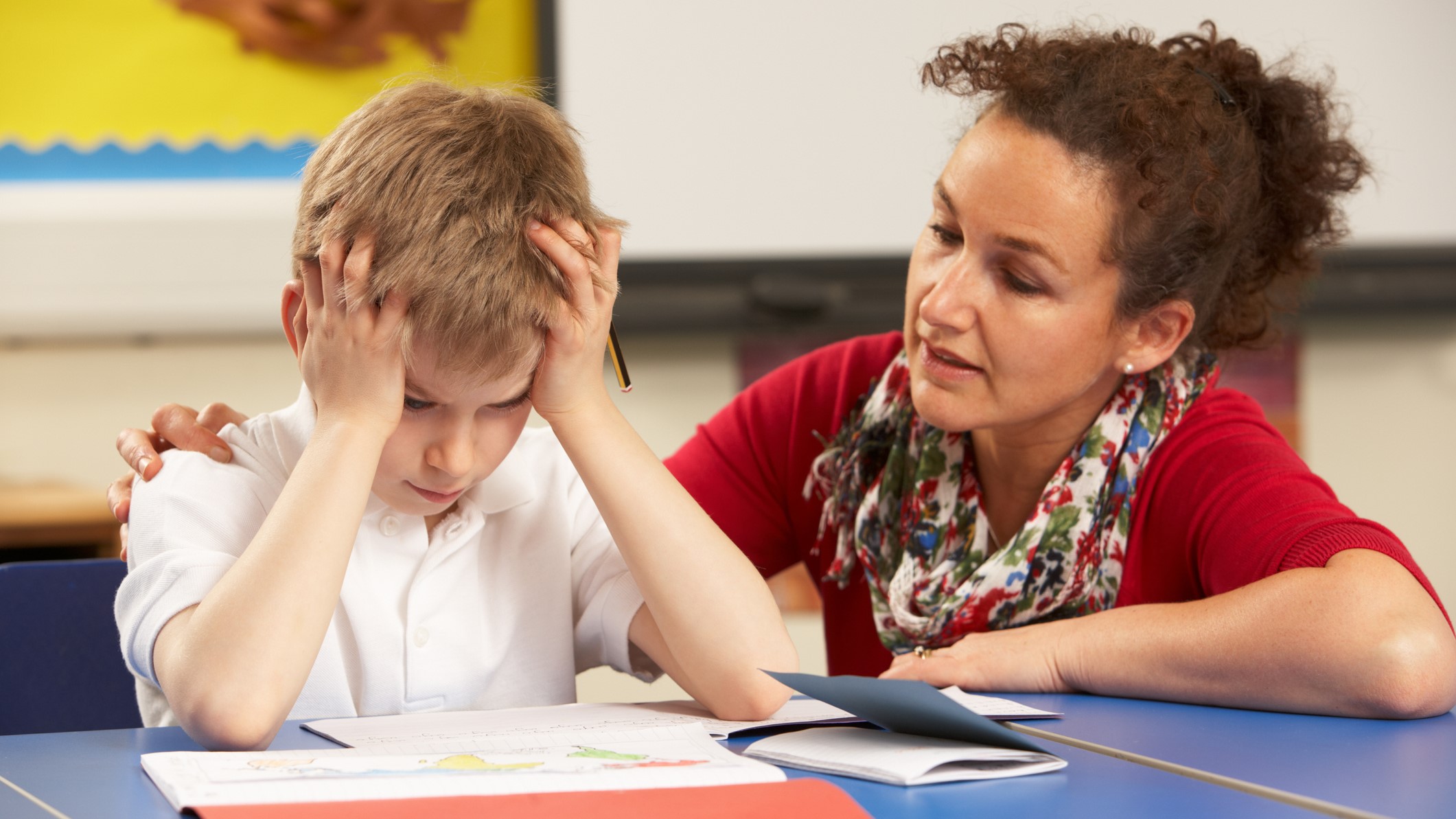
Children use behavioral and emotional self-regulation skills to manage their feelings while playing with others and following classroom rules, which are crucial to learning and development. Classrooms with clearly defined rules, routines, and expectations promote behavioral and emotional self-regulation among children.
Professional Learning Resources
This section includes professional learning resources that can help practitioners deepen their understanding of quality for this topic.
Online Course
This course focuses on preschoolers’ development of self-concept, self-control, social competence, and social awareness. Participants will learn about age-appropriate social-emotional goals for preschool children and learn effective strategies to help children develop social-emotional skills. (4 hours)
Age(s): Preschool
Guide
This article will help you understand the connections between self-regulation skills in children, their brain development, and your own responses to children who are having a difficult time self-regulating. The author also provides specific strategies that can be used to prevent and de-escalate rising tensions.
Age(s): Infant, Toddler, Preschool
Webinar
In this webinar, viewers will define social, emotional, and regulatory development and explore how to support children’s growth in these areas. Upon completion, viewers will identify activities to implement either remotely or in the classroom that will support children’s regulation.
Age(s): Infant, Toddler, Preschool, School-age
Online Course
NCPMI’s Pyramid Model Preschool Module Series focuses on practices for building relationships with and promoting healthy relationships between children. This module focuses on teaching practices that support self-regulation, emotional literacy, problem-solving, and teaching friendship skills.
Age(s): Preschool
Online Course
Caregivers can support young children in their ability to modulate their behavior and emotional expression by having realistic expectations and helping children develop self-regulation skills. This course discusses how teachers can promote self-regulation, practice appropriate transitions, and be responsive in stressful situations. (2 hours)
Age(s): Infant, Toddler
Implementation Tools
In this section you will find tips, strategies, examples, and specific tools and products that can improve your implementation of practices related to this topic area.
Activity
This page includes strategies for embedding high-quality social-emotional support, which builds children’s self-regulation skills. The page also links to activities within the Circle Activity Collection that can be used to help children practice self-regulation, emotional understanding, self-help skills, and relationships with others.
Age(s): Preschool