
POC Resources for Directors OLD

Sort by:

Age Group:
Resource Type:
Measure:

15 Behavior Strategies for Autistic Children
Publication
This article includes practical, supportive behavior strategies for children on the autism spectrum. While written for parents, many of the strategies can be adapted for the classroom setting and can even help children without autism who have challenging behaviors. Program staff can begin practicing these strategies to support inclusive classrooms.
Age(s): Infant, Toddler, Preschool, School-age

A Relationship-Based Approach to Family Engagement
Online Course
Head Start’s Early Childhood Learning & Knowledge Center (ECLKC) offers strategies practitioners can create a relationship-based culture supporting family engagement. Practitioners will further build their knowledge in making successful, collaborative program staff and family partnerships.
Age(s): Infant, Toddler, Preschool, School-age

Accommodations for Families
Example Document
Here is an exemplary written policy outlining how a program supports families and children who may need additional accommodations. Program leaders can include similar policies in the program’s family handbook as evidence of programmatic processes and classroom accommodations for families and children to include home language, differing abilities, and/or cultural backgrounds. This sample is available in English and Spanish.
Age(s): Infant, Toddler, Preschool, School-age

Accommodations to the Physical Environment:  Setting Up a Classroom for Students with Visual Disabilities
Online Course
Program staff can use this online module by the Vanderbilt IRIS Center to learn about how to accommodate children with visual disabilities in a physical learning environment by becoming familiar with common devices used, techniques on how to guide children, and tips for setting up the classroom.
Age(s): Infant, Toddler, Preschool, School-age

Annual Professional Development Self-Reflection
Guide
Use of this reflective document will support staff in identifying which future training topics (aligned with the Texas Core Competencies) would be beneficial to their professional development. This document should be used in tandem with the staff’s Annual Professional Development/Training Plan.
Age(s): Infant, Toddler, Preschool, School-age

CDC’s Developmental Milestones
Checklist
CDC’s developmental milestone checklists are communication tools intended to encourage ongoing conversations between families and professionals. They also help promote early identification of and action on potential developmental concerns so that children and families can get the early services and support they may need.
Age(s): Infant, Toddler, Preschool
Family Engagement Ideas
Guide
Providing families with various opportunities to actively participate in the early learning program sets the foundation for strong family involvement. This document contains some ideas of how to involve families in program activities.
Age(s): Infant, Toddler, Preschool, School-age
Parent Communication Log
Example Document
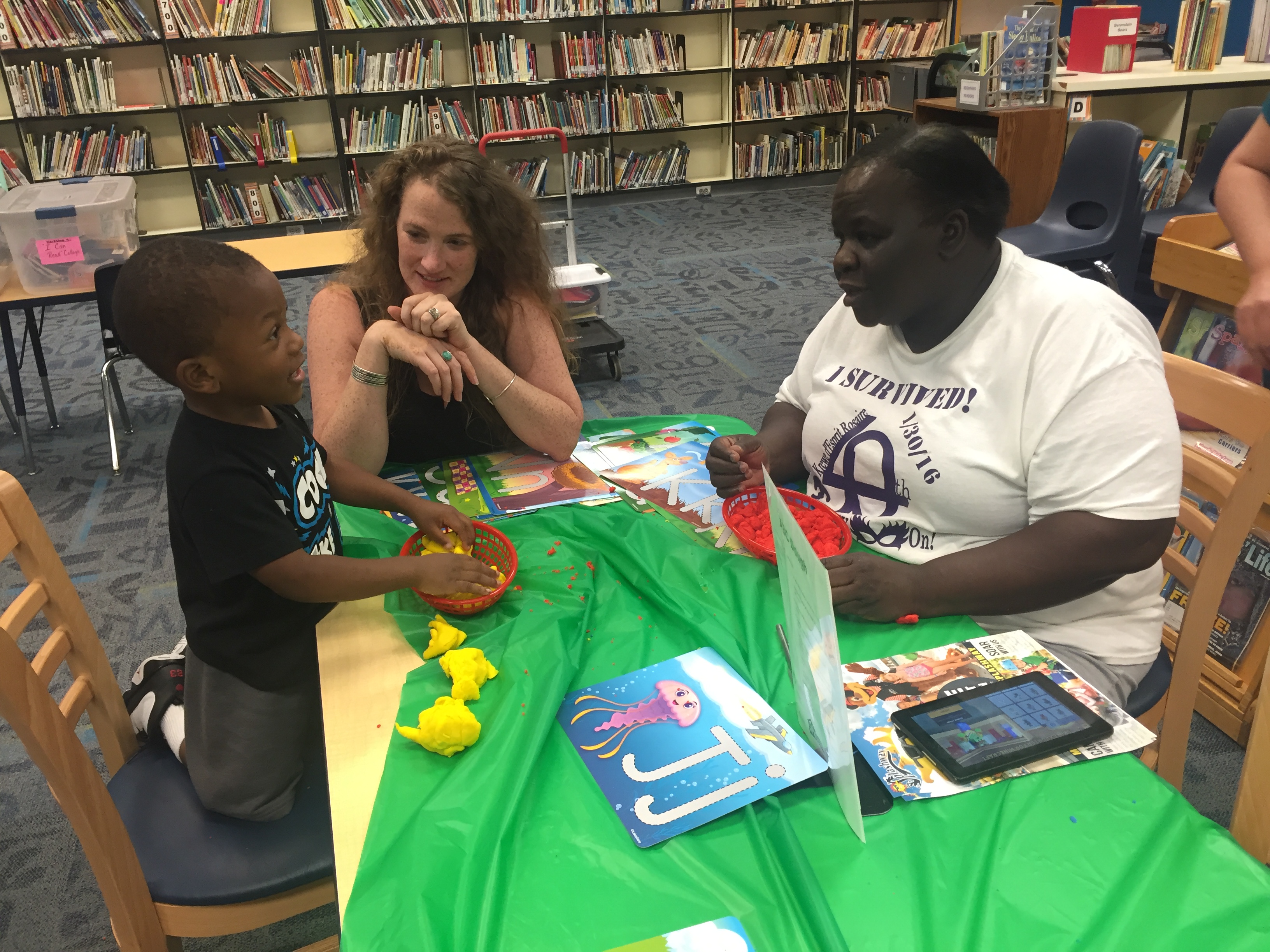
These examples of family communication logs reflect children’s experiences throughout the day.
Age(s): Infant, Toddler, Preschool
Professional Development Self-Assessment for Practitioners
Assessment
Early childhood practitioners complete many hours of professional development each year to support their professional growth in child skill development and instructional practices, and to meet state guidelines. When selecting your next professional development opportunity, look for conferences and sessions aligned to the professional development plan to meet your goals!
Age(s): Infant, Toddler, Preschool, School-age

Texas Child Care Provider Cost of Quality Calculator
Toolkit
This calculator intends to simplify the process of estimating the costs of providing child care. This tool can assist you with identifying the most common expenses incurred when providing child care services for infant to school-age children.
Age(s): Infant, Toddler, Preschool, School-age