
Trainings & Recommended Reading

Connect with Me is a five-part series of courses designed to provide teachers and caregivers of infants and toddlers with the skills and knowledge to support social and emotional development. Participants will learn about social-emotional milestones, theories, and long-term outcomes through video segments, expert interviews, and research-based resources. (10 hours)

A high-quality classroom intentionally supports children’s social, emotional, and behavioral regulatory abilities. This collection of classroom management tools will help practitioners create a structured, predictable environment to help prevent conflict and enable children to manage themselves successfully.

Children need routines, procedures, rules, and transitions that are thoughtful and consistent. When children follow a schedule, they know what to expect from their day and can better self-regulate. This resource will help you better understand how having consistent rules and routines helps children develop self-regulation and independence.

Early childhood education setting are usually a child’s first communities out of their home. The character of these communities is very significant in children’s development. This article shares strategies to support practitioners in creating caring communities for children.

This course focuses on preschoolers’ development of self-concept, self-control, social competence, and social awareness. Participants will learn about age-appropriate social-emotional goals for preschool children and learn effective strategies to help children develop social-emotional skills. (4 hours)
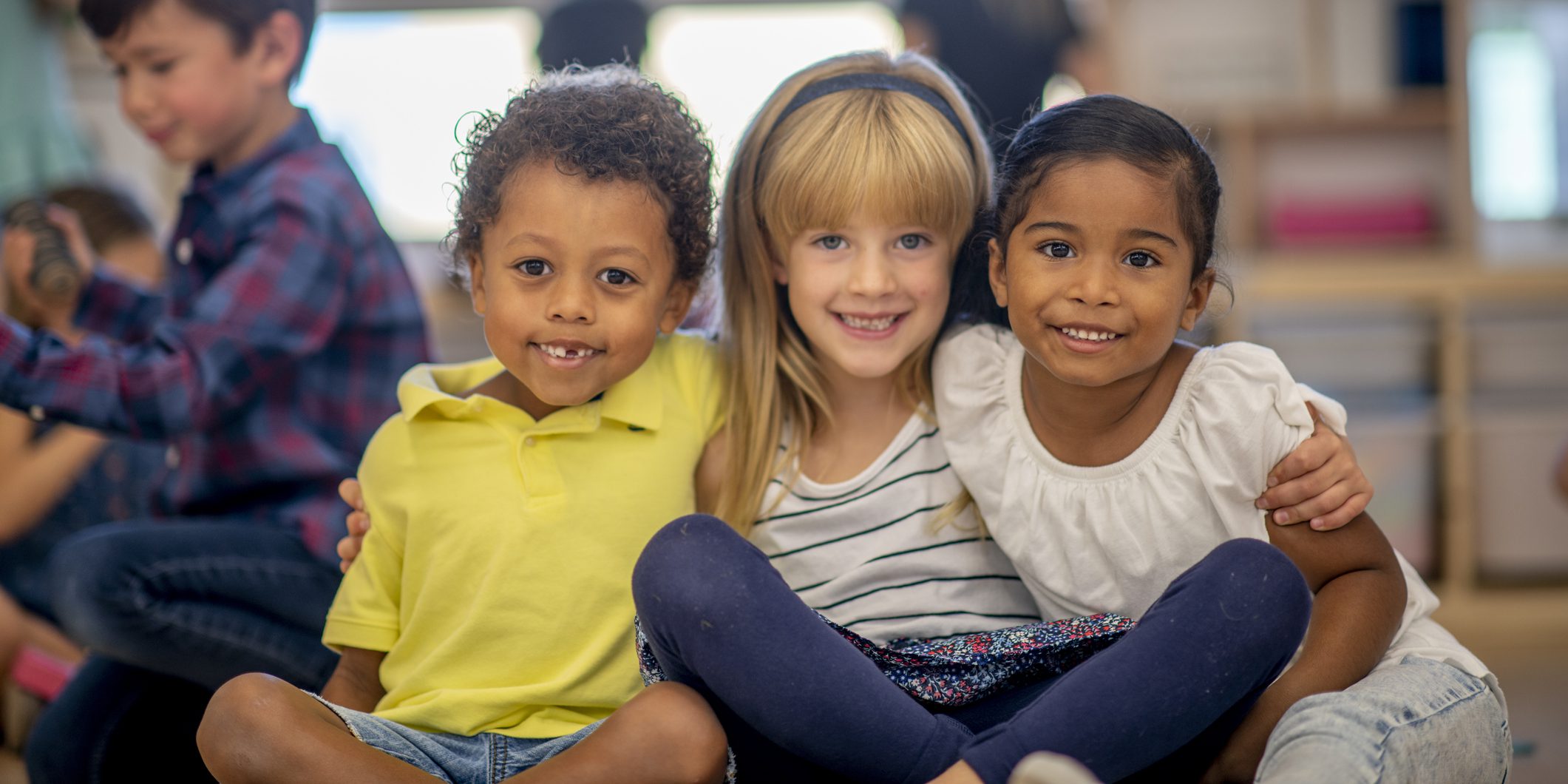
This page includes strategies for embedding high-quality social-emotional support, which builds children’s self-regulation skills. The page also links to activities within the Circle Activity Collection that can be used to help children practice self-regulation, emotional understanding, self-help skills, and relationships with others.
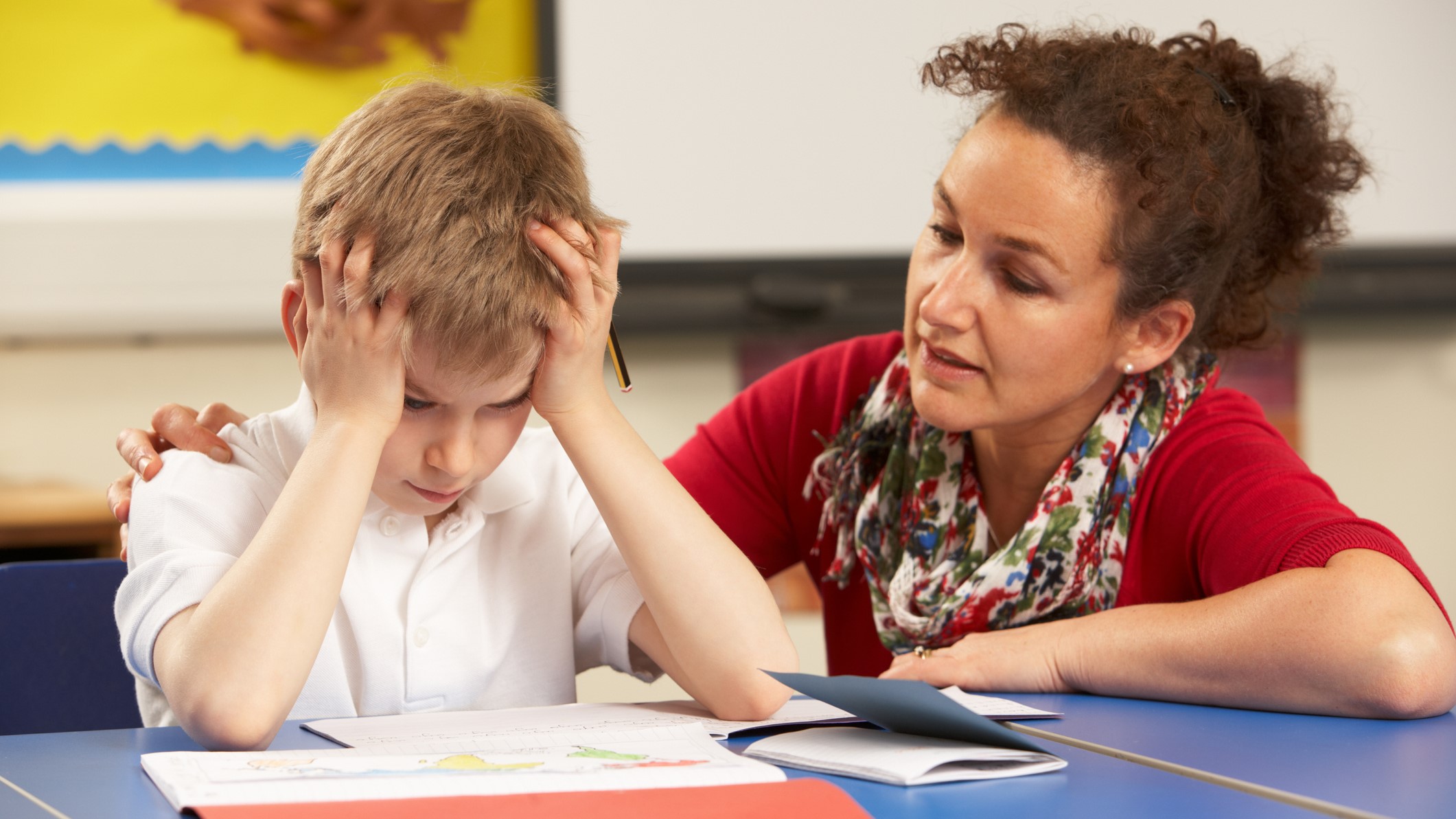
This article will help you understand the connections between self-regulation skills in children, their brain development, and your own responses to children who are having a difficult time self-regulating. The author also provides specific strategies that can be used to prevent and de-escalate rising tensions.
In this webinar, viewers will define social, emotional, and regulatory development and explore how to support children’s growth in these areas. Upon completion, viewers will identify activities to implement either remotely or in the classroom that will support children’s regulation.

NCPMI’s Pyramid Model Preschool Module Series focuses on practices for building relationships with and promoting healthy relationships between children. This module focuses on teaching practices that support self-regulation, emotional literacy, problem-solving, and teaching friendship skills.

Caregivers can support young children in their ability to modulate their behavior and emotional expression by having realistic expectations and helping children develop self-regulation skills. This course discusses how teachers can promote self-regulation, practice appropriate transitions, and be responsive in stressful situations. (2 hours)
RESOURCES
Select an assessment measure to explore examples, activities, and tools that support quality improvement for that measure.
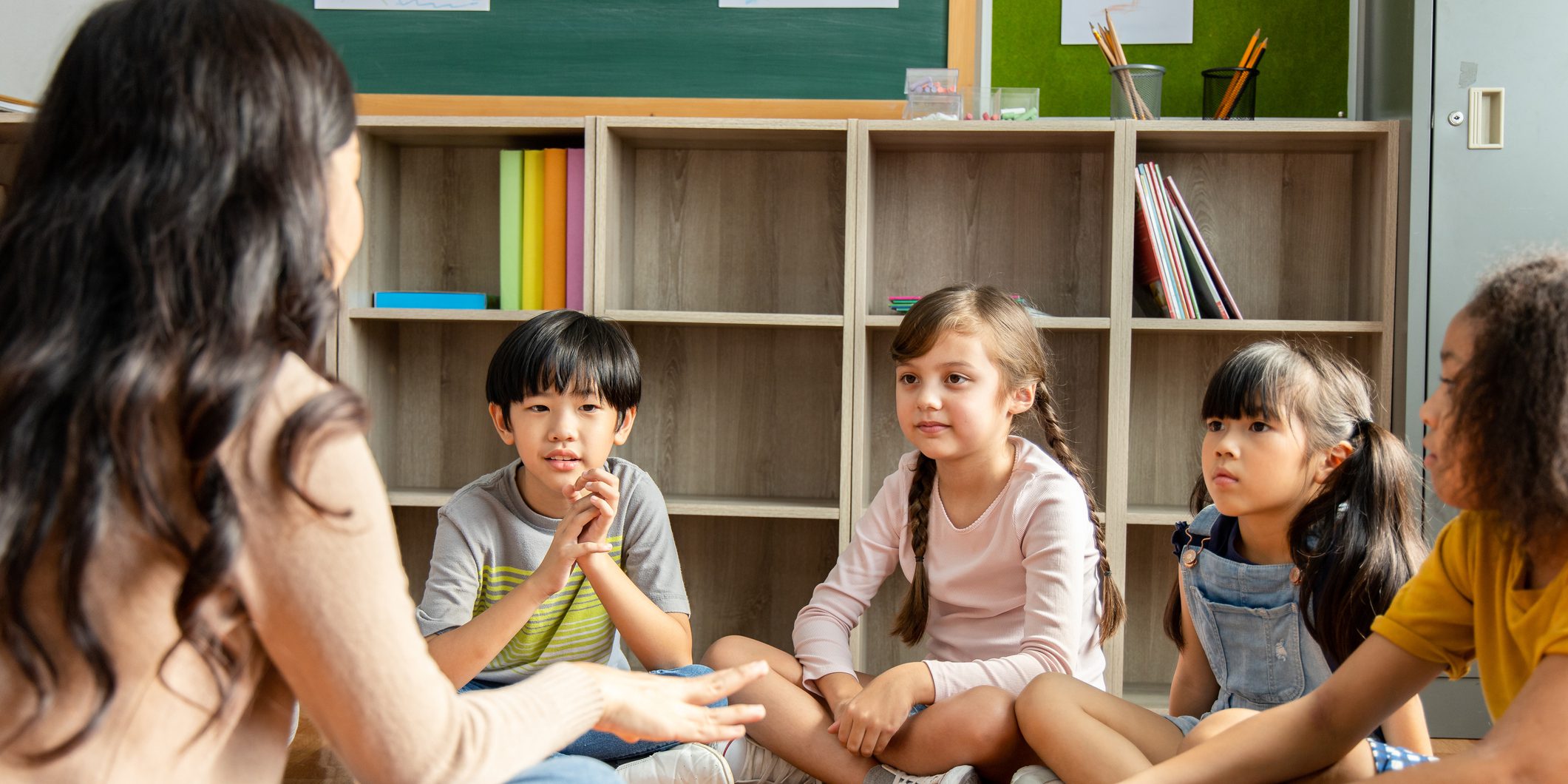
Through a read-aloud, children learn how to name their and others’ feelings. Practitioners can stop during reading to encourage children to act out feelings or make connections between the book and their lives. Modeling and encouraging children to express their feelings supports their emotional development.
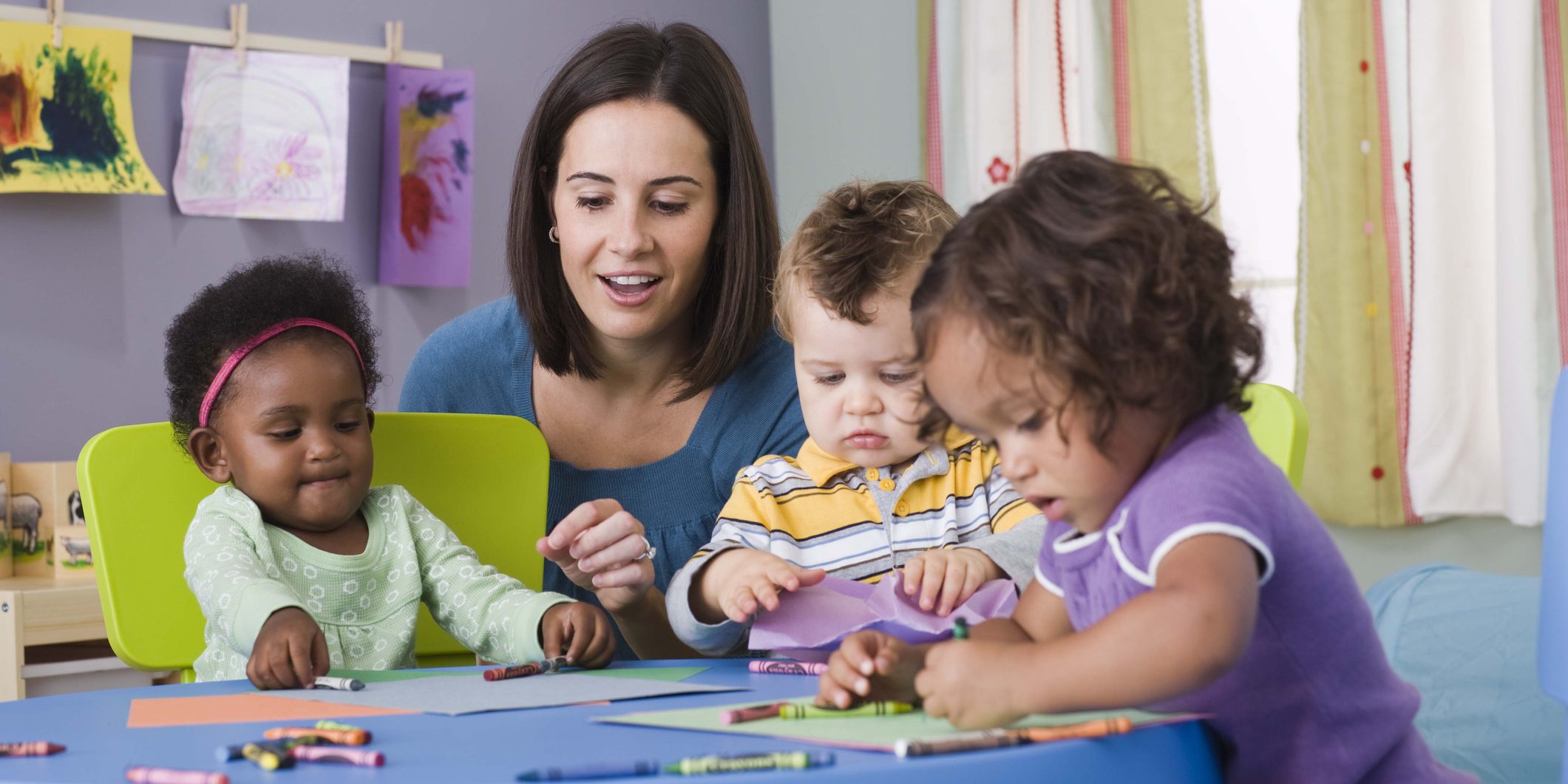
Children will sing a song about feelings and imitate the facial expressions of each one. While singing, teachers use puppets to build children’s understanding of their own and others’ feelings. This is an intentional activity that supports children’s emotional awareness.
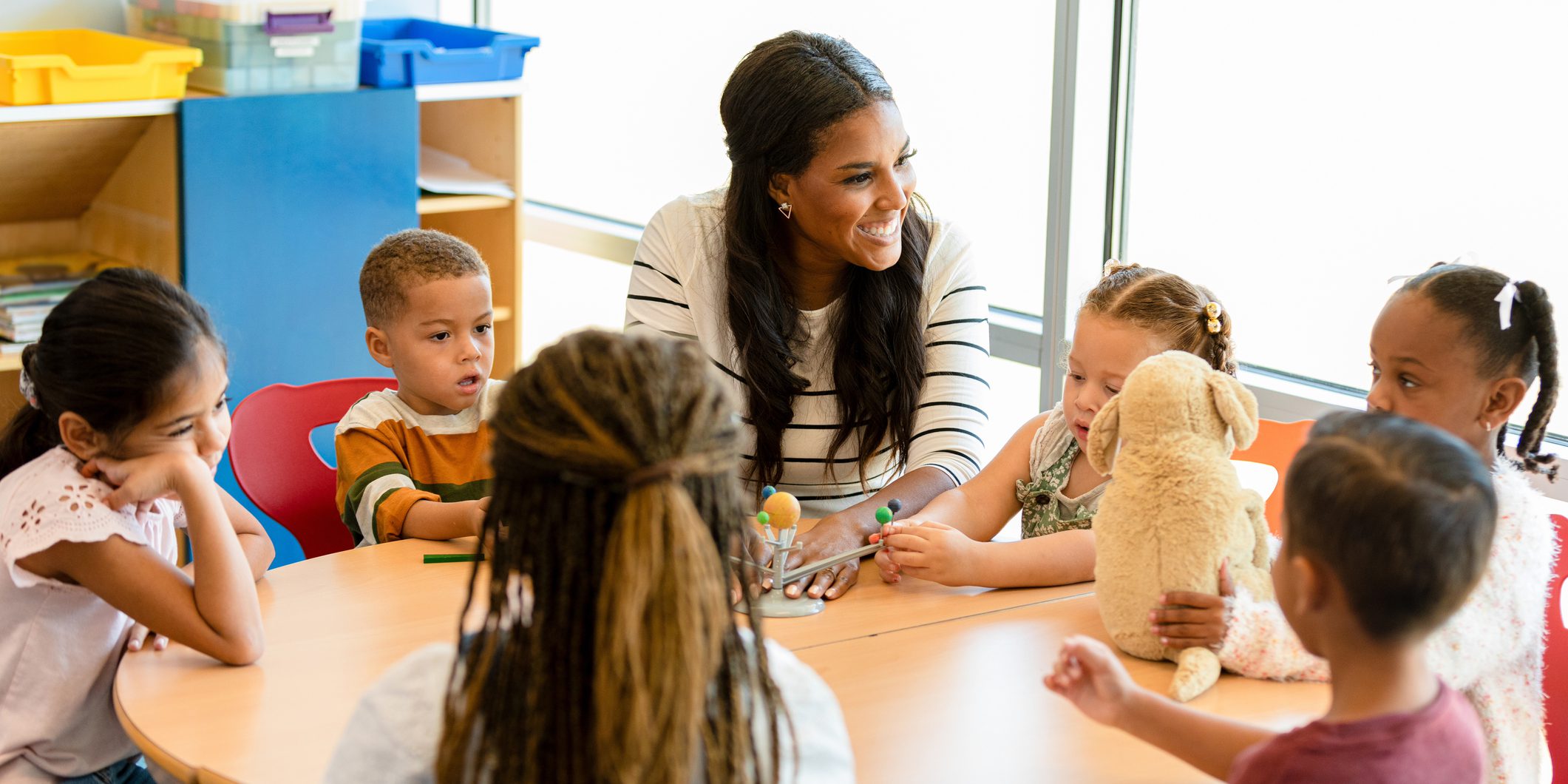
In this activity, children will identify feelings by recognizing nonverbal cues. The teacher uses picture cards and models to show what feelings look like. Intentional activities that invite children to label feelings and act them out build their emotional awareness and understanding.
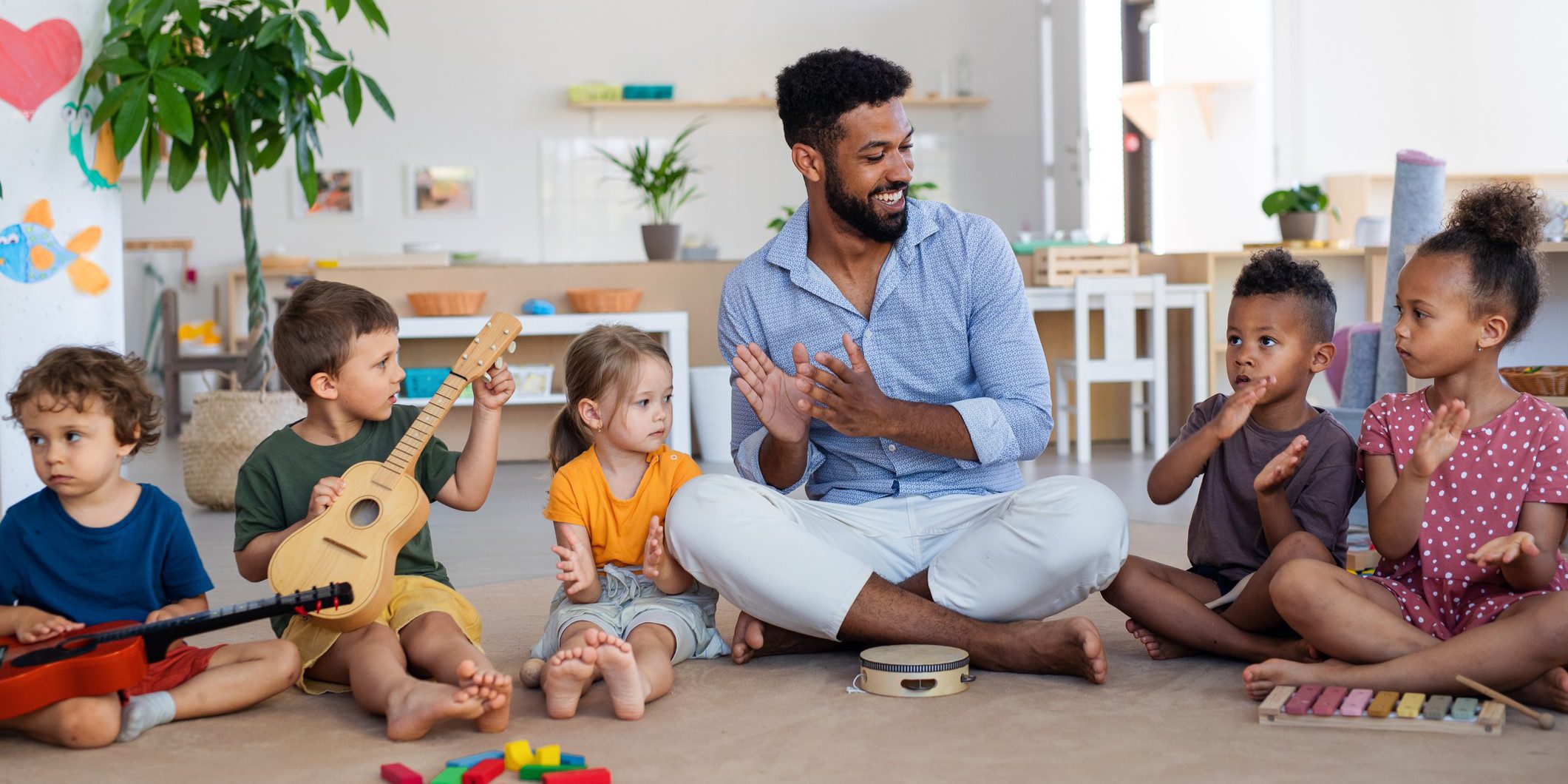
It is important to teach children words to use to express feelings in replace of the use of challenging behavior. The feeling wheel can be used in a variety of ways to help children learn social emotional skills around use of emotional literacy and vocabulary.

Children are learning to manage their feelings and behavior. They are learning the words to express their feelings and how to show feelings in appropriate ways. In this resource you will find some ways you can help them to be successful as they learn these important skills.
Toddlers have strong feelings and often they are not able to manage them on their own. This article shares a few ideas on how to offer toddlers positive guidance that helps them build both self-control and language.
Have you ever had a friend move away? Have you had a pet die? Have you lost someone close to you? Sad times are part of life, just as much as happy times. This article shares some ideas for working with children who are going through some sad times.

Children need to learn that everyone feels angry sometimes, but hitting, kicking, or biting someone when they are angry is not okay. This article shares some ideas and strategies for working with angry children and supporting them through their feelings.
Label Feelings (Infant)
This exemplar video depicts an infant teacher labeling the feelings of a baby waiting for his bottle. In this video, you will notice how the teacher labels the infant’s feeling to describe his emotions in the moment.
Labels Feelings (Toddler)
This exemplar video shows how to discuss feelings with toddlers in a small group setting. Using visual aids and songs support children in learning the foundational skills to identity their feelings.
Models and Encourages Emotional Expression
This video shows teachers modeling and encouraging children of multiple age groups to understand their feelings. Helping children make connections between their actions and emotional reactions is one of the ways teachers help support children’s regulation.
Plan Activities to Help Children Understand Emotions
There are many books available that explore preschoolers’ expression of feelings. Shared book reading is a wonderful activity to promote children’s understanding of different emotions. In this video exemplar watch as the teacher reads about different emotions and supports the children’s understanding of emotional expression by providing examples and modeling and describing emotions in the book.
Social and Emotional Development – Communicate Feelings (Exemplar 1)
This video shows a teacher interacting child who is upset by a consequence given during small group. The teacher in the video labels his feelings during their conversation to get him to participate in the activity.
Social and Emotional Development – Communicate Feelings (Exemplar 2)
This video shows a teacher working with a small group of children to discuss what emotions are and the expressions that are associated with feelings.
Social and Emotional Development – Communicate Feelings (Exemplar 3)
This video shows a teacher reading a story to a group of children. The teacher takes the opportunity to talk about the character’s feelings and discusses appropriate behaviors to ensure that all children pick up on the feelings presented in the story
Talk About Feelings (Infant)
In this video you will see a teacher observing infant children during play time to label feelings and connect those feelings to what the child is doing. The teacher also asks the young children open ended questions to encourage them to express themselves and responds to the child’s cues.
Talk About Feelings (Toddler)
This video shows one of the ways a teacher can encourage children to talk about and express feelings. In this clip, you will see a teacher point out how characters in a book feel to encourage and extend discussion about feelings with children during story time.
While participating in a read-aloud about feelings, children name feelings and talk about what makes them feel that way. If a child says “fall down” in response to a question about what makes him sad, the teacher might provide a short explanation by saying, “Jordan feels sad when he falls down.” Identifying feelings and what caused them is an important step in developing children’s self-regulation skills.
In this activity, children will identify feelings by recognizing nonverbal cues. In the Guide Practice section, the teacher provides short explanations for why a child might feel happy or sad. Helping children make connections between their feelings and reason for them supports their regulation.

Children are learning to understand their feelings and behavior. They are learning how to express their feelings and how to show feelings in suitable ways. This article shares some ways you can help children to be successful as they learn these significant skills.
Toddlers have strong feelings and often they are not able to manage them on their own. This article shares a few ideas on how to offer toddlers positive guidance that helps them build both self-control and language.
Have you ever had a friend move away? Have you had a pet die? Have you lost someone close to you? Sad times are part of life, just as much as happy times. This article shares some ideas for working with children who are going through some sad times.
Make Connections Between Feelings, Actions, and Events
Book reading is a great time to discuss and make connections between feelings, actions, and events. In this video you will see a toddler teacher read a story to make a connection between the character’s actions and their feelings.
Provides Short Explanations of Feelings
This video shows teachers providing short explanations that help children of multiple age groups understand why someone is feeling a certain way.
Classroom Management – Consequences (Exemplar 4)
Watch and listen as the teacher notices a child laying down during circle time and calmly provides a logical consequence for their behavior choice.
Explains Logical Consequences
This video shows teachers explaining reasonable consequences for children’s behaviors and enforcing consequences that are specifically related to misbehavior.
Classroom Management – Consequences (Exemplar 1)
In this short clip, watch as the teacher calmly gives a reminder to the child by stating how to successfully sit in a large group setting.
Classroom Management – Consequences (Exemplar 2)
In this short clip, watch as the teacher calmly gives reminders to the children of how to sit and listen during a shared reading activity.
Classroom Management – Consequences (Exemplar 3)
Watch as the teacher calmly redirects and reminds a child where to keep their hands during story time.
Classroom Management – Consequences (Exemplar 5)
This teacher gives an excited group of students a calm reminder to help them sit correctly on the carpet.
Classroom Management – Consequences (Exemplar 6)
In this short clip watch as the teacher notices a child is no longer paying attention in the activity and asks a question to redirect their attention back to the activity.
Classroom Management – Consequences (Exemplar 7)
In this short clip, watch as the teacher calmly gives a reminder of behavior expectations for the activity and consequences for those who break the rules.
Classroom Management – Setting Expectations
In this short clip watch as the teacher provides additional support for a student by drawing attention to the established rules and routines of the classroom.
Encourages Self-Regulation
In this video, you will see teachers encouraging self-regulation by implementing and consistently following classroom rules and procedures. You will notice that the children are aware of expectations as proof that these routines occur regularly.
Transitioning Activities
Watch how this teacher uses several strategies to transition children from an activity—she uses a song to cue the children, talks in a warm tone about what will happen after cleanup, and gives children plenty of time to transition while staying relaxed and focused on the expectations.
Assists Children in Communicating with Peers
In this video, teachers support toddlers, preschoolers, and school-age children to communicate effectively as conflict arises with their peers.
Helps Children Resolve Conflicts
In this video, the teacher assists the children with interacting and communicating with one another by modeling which words to use so they can both play with the tunnel. Teachers can use supportive language to help children communicate in a respectful manner during play and during conflict.
Helps Children Share Space
Teachers should intervene quickly to help children solve problems when more than one child wants the same toy, wants to play in the same spot, or wants another child to move out of the way. Watch as the teacher in this video interprets what the children are trying to do and say but also suggests actions and words to help resolve conflicts while sharing playground equipment.
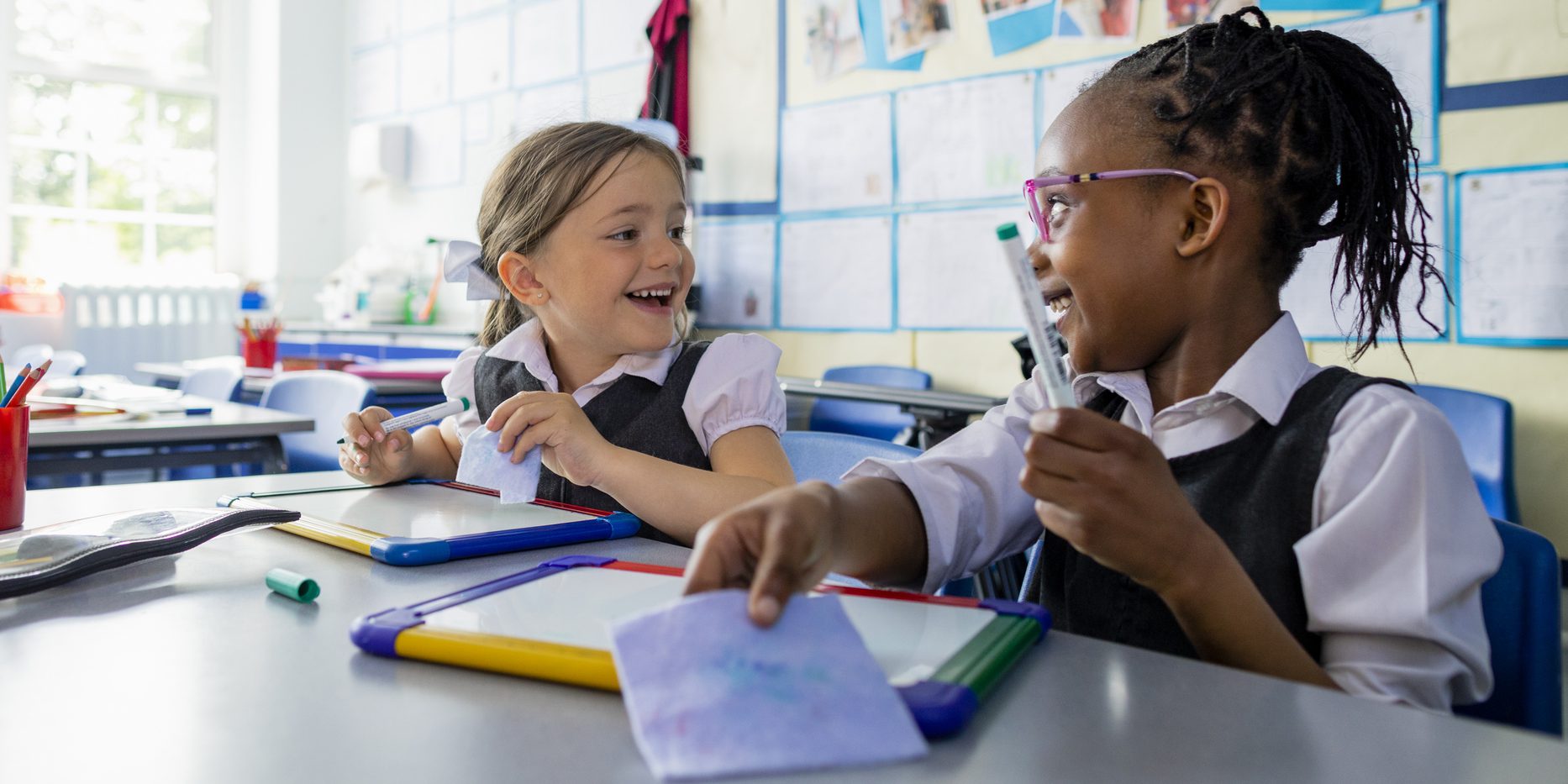
Teachers support children’s positive interactions with peers through role-playing. As children become comfortable initiating friendships, the language they learn from this activity will help them speak respectfully and expand on each other’s play ideas.
Plan Activities to Promote Positive Peer Interactions
Teacher can support interactions between toddlers by providing children with common phrases that children say to each other. Watch as the teacher in this video coaches children with words to say while greeting each other. By supporting these conversations, the teacher helps children in communicating with their peers.
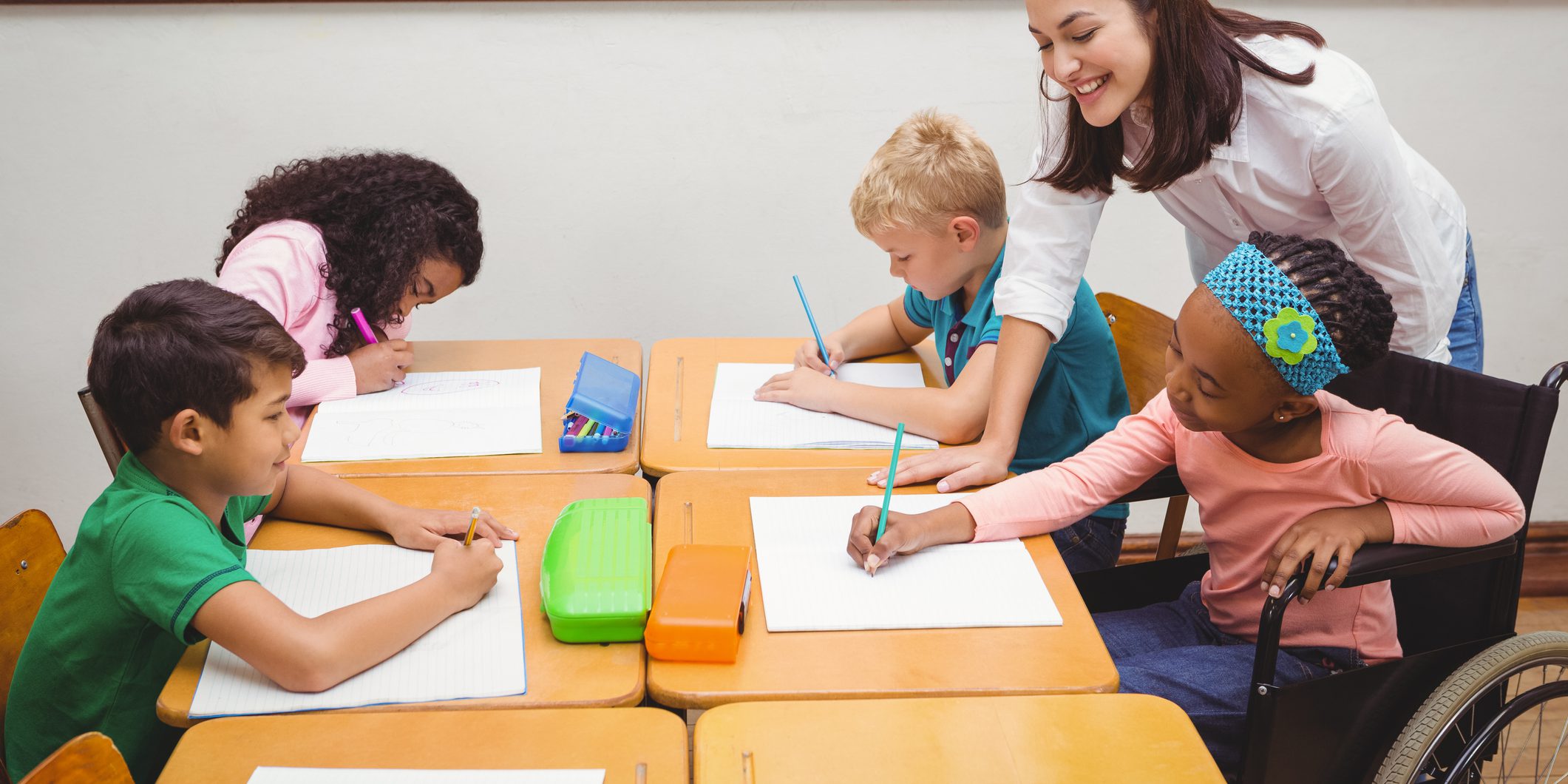
In this intentional activity, teachers will guide children’s communication and interactions with each other by modeling how to speak respectfully. Teaching children how to interact with their peers proactively prevents conflict.
As children roll a ball to a friend, caregivers can guide children to speak respectfully to each other. Toddlers may point at a friend instead of saying their name, and teachers can support children’s positive peer interactions by giving reminders that make all children feel included.
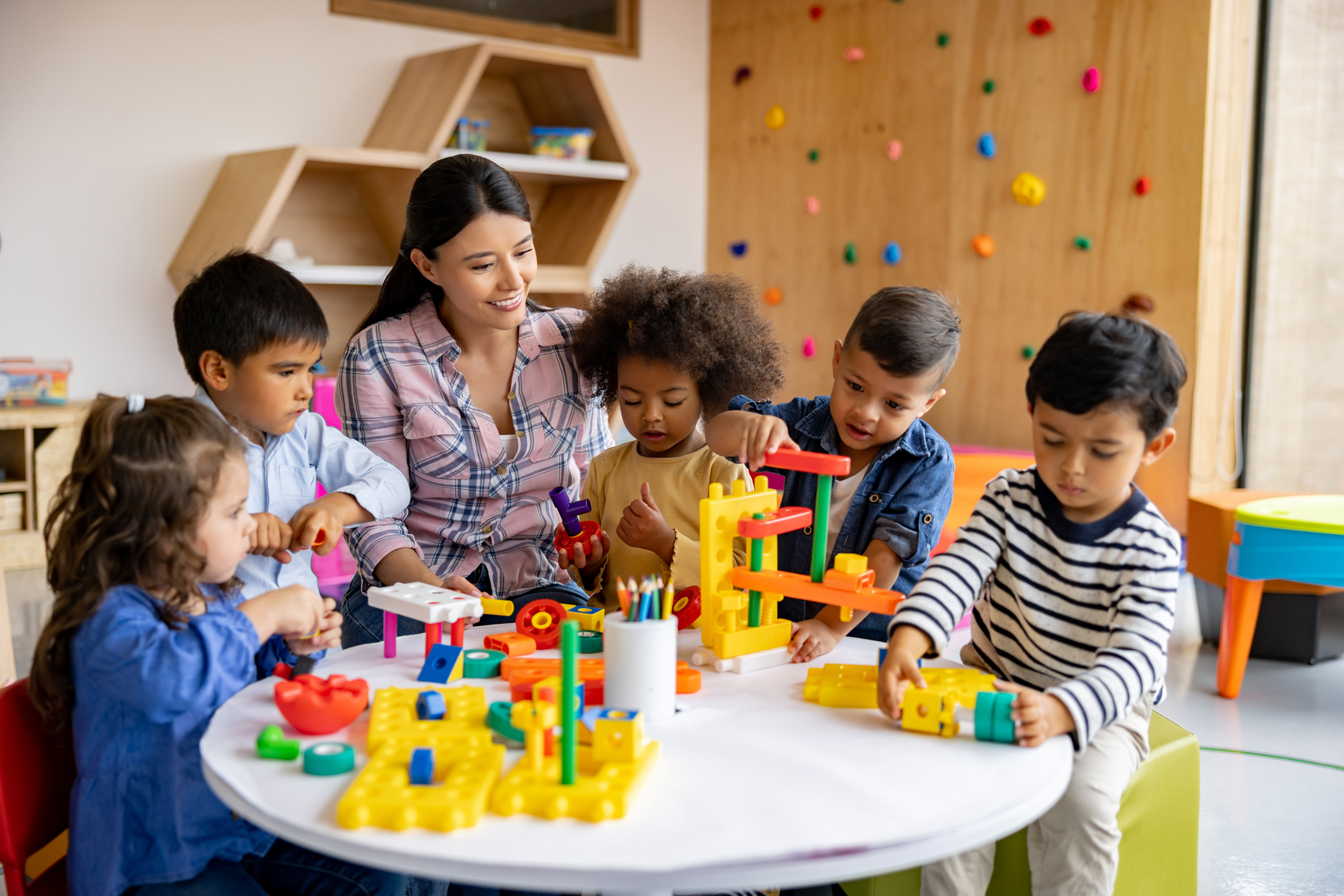
Some young children need assistance to communicate with classmates. Teachers can use this activity to proactively prevent conflict by modeling respectful communication and encouraging children to use it as they share with a partner.
Builds Self-Help Skills
In this video, teachers encourage children to develop self-help skills like handwashing and serving themselves. Building these skills promotes children’s independence, self-reliance, and self-esteem.
Classroom Management – Helper Chart (Exemplar 1)
The teacher in this video involves children in the management of activities by allowing them to choose their classroom jobs for the week. As the children choose a job, she gives a brief description of the job and how the child can be successful. Teachers can use a classroom helper chart to enforce the classroom’s routines, as well as support children in learning responsibility and practicing self-help skills.
Classroom Management – Helper Chart (Exemplar 2)
In this video exemplar, the teacher involves children in the management of activities by assigning children to their classroom jobs for the week and using the helper chart as a visual of these assignments. Teachers can use visuals, like a classroom helper chart, to enforce the classroom’s routines, as well as support children in learning responsibility and practicing self-help skills.
Encourages Children to Assist with Routines
In this video example, the teachers encourage the children to be independent and practice self-help skills, such as self-serving during mealtime. Teachers can encourage independence and self-regulation skills by including children in classroom routines and procedures.
Practicing proper handwashing with children helps them learn the importance of this self-care skill and healthy behavior. The movements of the hands and fingers during handwashing build the muscles children will use for more complex activities as they grow older, such as zipping a jacket or picking up and writing with crayons.
Learning to Put on Shoes
Watch how this teacher combines explanation with demonstration to help a child learn to put on her own shoes.
This publication from the New York City Department of Education includes a list of tools teachers can use to support children in developing their independence, self-regulation, and self-confidence. Toddler and preschool teachers can use these interactive visuals, like the attendance chart, to enforce the classroom’s routines and procedures and encourage children’s self-help skills.