
TRAININGS

This course helps practitioners to implement research-based best practices in child-care settings to prevent the spread of communicable diseases. In addition to including written policies, programs can provide learning resources and professional development opportunities for staff to gain a deeper understanding of the overall health and safety of children.

This course will help individuals gain a better understanding of child safety and how to prevent injuries to the children in their care. In addition to including written policies, programs can provide learning resources and professional development opportunities for staff and families to gain a deeper understanding of the overall health and safety of children.

This course reviews procedures for preventing and responding to food or allergy emergencies. Individuals will learn how to manage common childhood illnesses, food intolerances, and allergies.
RESOURCES
Select an assessment measure to explore examples, activities, and tools that support quality improvement for that measure.

Here is an exemplary written policy outlining how a program supports families and children who may need additional accommodations. Program leaders can include similar policies in the program’s family handbook as evidence of programmatic processes and classroom accommodations for families and children to include home language, differing abilities, and/or cultural backgrounds. This sample is available in English and Spanish.

You’ve hired talented staff—but how can you ensure they stay at your program? This article outlines several strategies to keep staff happy, engaged, and productive.

Here is a template of a form current program staff can use to refer prospective employees and receive monetary compensation. Program leaders can implement a similar referral program as a type of compensatory support to encourage staff retention. The document will download automatically.
PennState Extension provides practitioners with steps and suggestions to support breastfeeding parents. In addition to including written policies in the family handbook and providing a designated breastfeeding area, program leaders can provide this resource in the parent resource library or electronically to support the breastfeeding parent and the overall health and safety of children.

PennState Extension provides practitioners with tips on preparing food for children with a diagnosed peanut allergy. In addition to including written policies in the family handbook about food allergies and how staff handle emergencies, program leaders can provide this resource in the parent resource library or electronically to support the overall health and safety of children.

The following includes direct links to a variety of resources, such as meal planning, breastfeeding, garden-based learning, and oral health. In addition to including written policies in the family and staff handbooks, program leaders can provide these resources electronically or as handouts in their program’s parent resource library to support the overall health and safety of children.

Childcare providers play an important role in children’s overall nutritional health and well-being. This toolkit includes resources for providers and families on a variety of health-related topics.
The Department of Agriculture provides suggestions to practitioners and families on including fruits and vegetables in meals throughout the day. In addition to including written policies on nutrition and meal planning, program leaders can provide this handout as a resource to support the overall health and safety of children.

The Department of Agriculture provides suggestions to adults on making nutritious meals to young children. In addition to including written policies on nutrition and meal planning, program leaders can provide this handout as a resource to support the overall health and safety of children.

This sample menu reflects a variety of healthy meals and snacks. This program rotates the lunch and snack menus to encourage diverse meal planning.

PennState Extension provides suggestions and tips for early learning programs to support breastfeeding parents. In addition to including written policies in the family handbook and providing a designated breastfeeding area, program leaders can provide this resource in the parent resource library or electronically to support the breastfeeding parent and the overall health and safety of children.
PennState Extension provides helpful information and guidance to families and practitioners of children with diagnosed food allergies. In addition to including written policies in the family handbook about food allergies and how staff handle emergencies, program leaders can provide this resource in the parent resource library or electronically to support the overall health and safety of children.
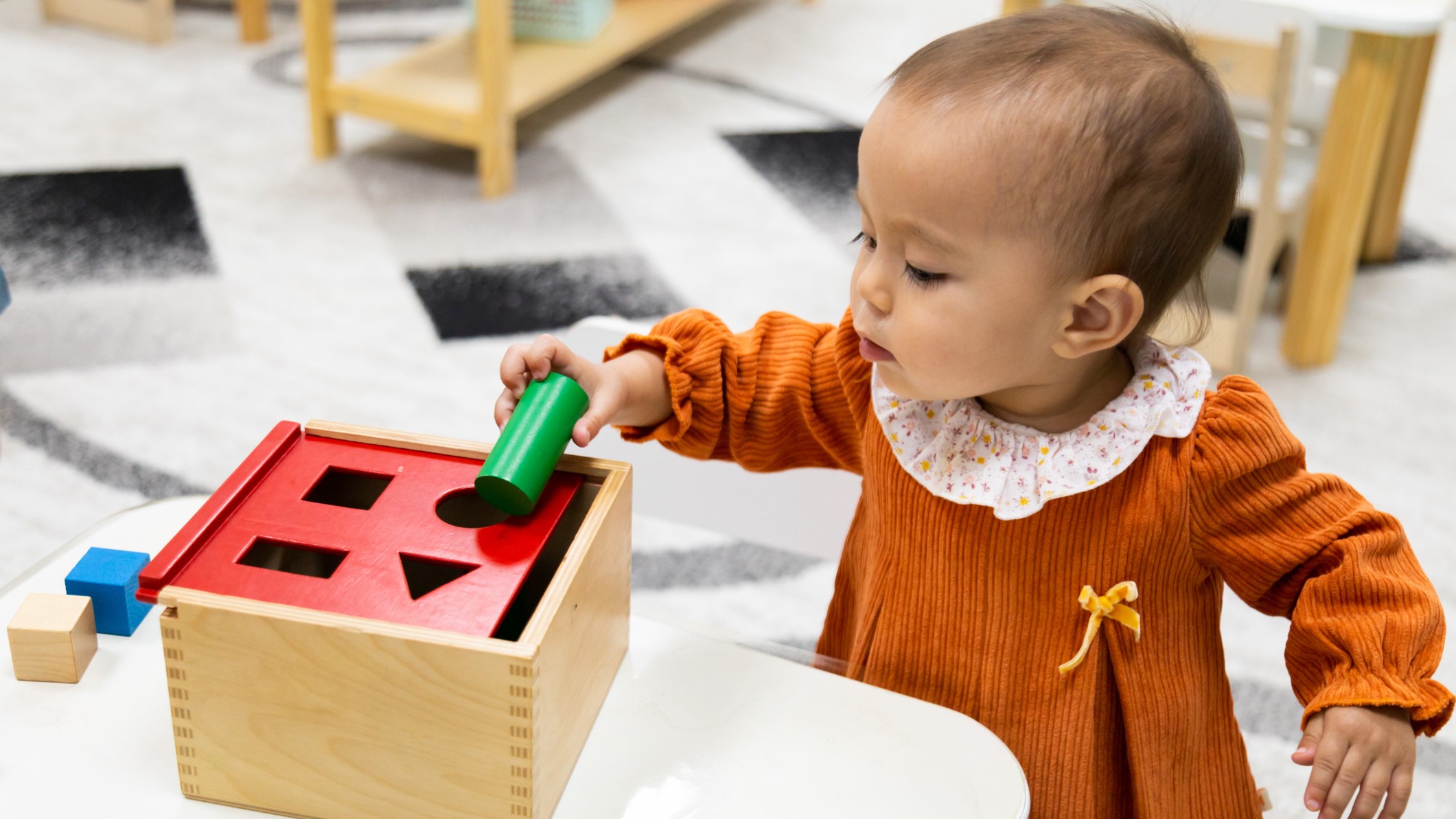
This self-paced training helps caregivers understand infants’ and toddlers’ physical, health, and motor development, and provides instructional and care-giving strategies. Engaging children in playful gross and fine motor activities sets them up for success socially and cognitively.
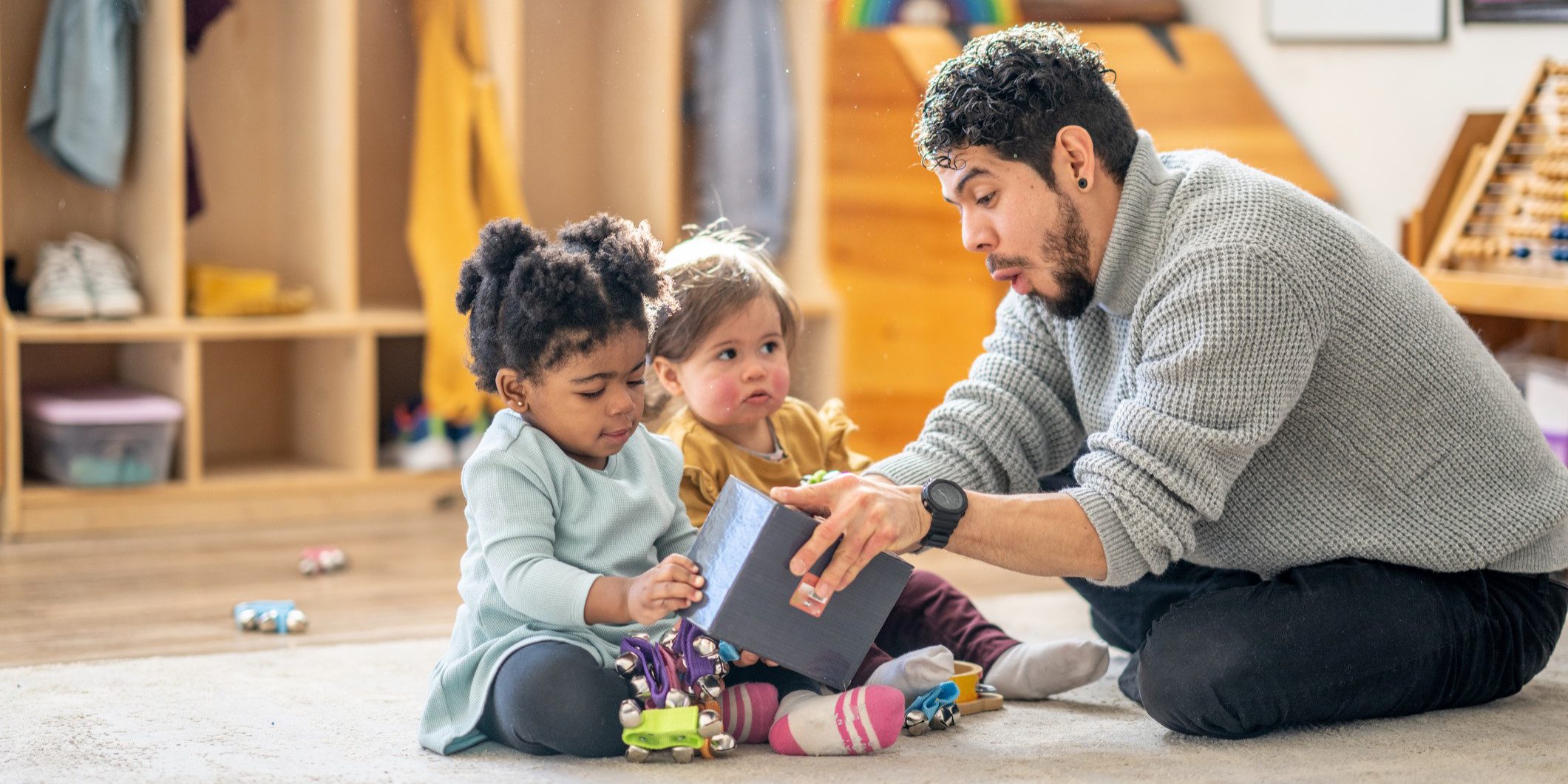
The Circle Infant and Toddler Curriculum provides everything your program needs to implement positive and engaging learning environments and experiences that support children’s individual needs, interests, and abilities while building a joy for learning.
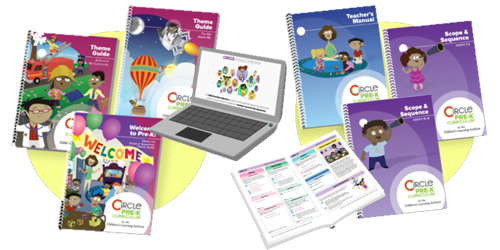
The Circle Pre-K Curriculum supports the cognitive, social, and emotional development of pre-K children. Professional development resources such as video tutorials, lesson plan templates, and the teacher’s manual act as curriculum planning supports for weekly planning and instruction. This research-based curriculum and its resources are freely available to early learning programs through CLI Engage.
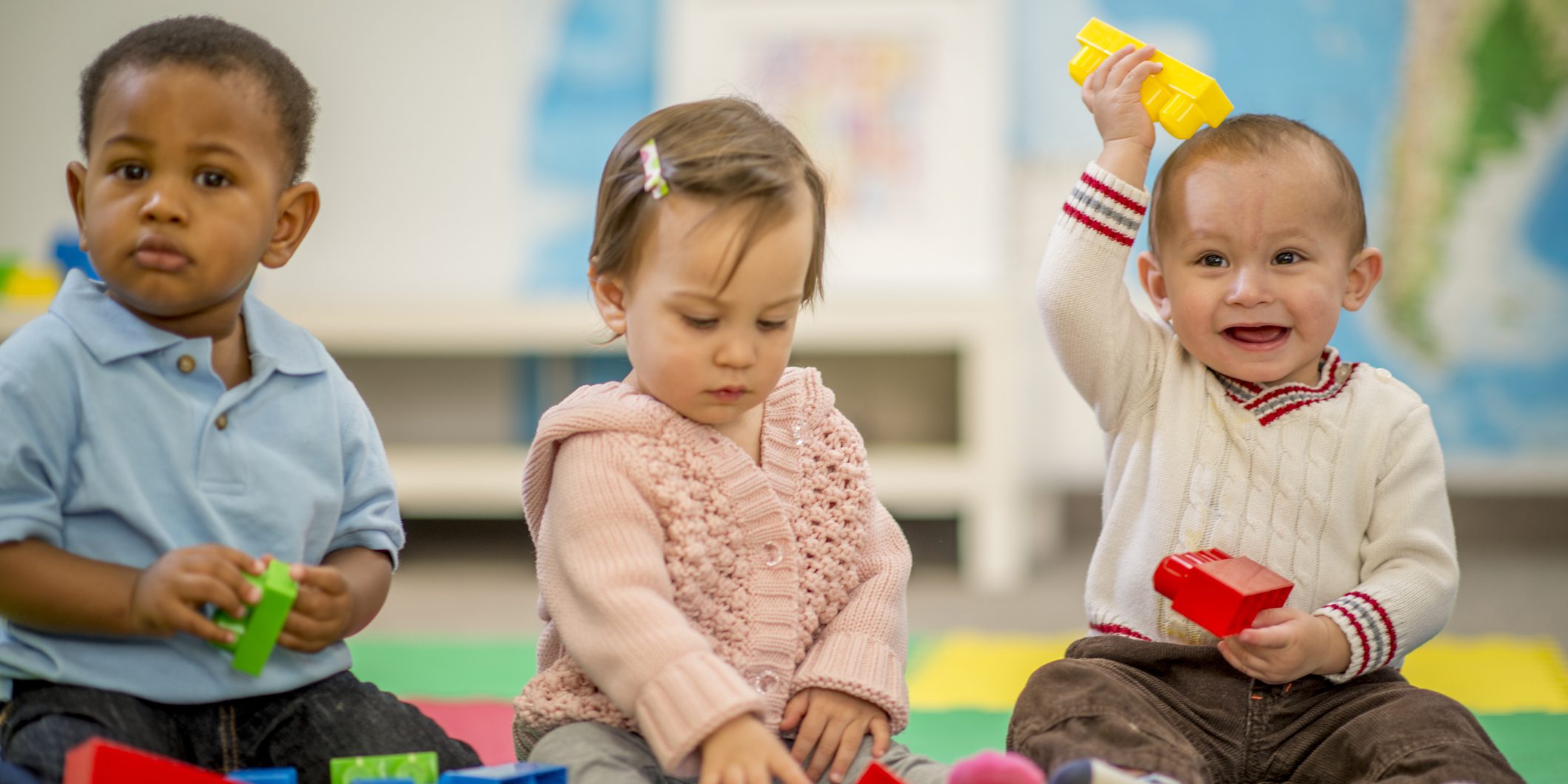
The Circle Activity Collection: Infant and Toddler translates research into practice through a variety of hands-on, play-based learning activities that teachers can implement in their classrooms in whole groups, small groups, and with individual children. Access the collection for free with your CLI Engage account.

The Circle Activity Collection: Pre-K to Grade 2 translates research into practice through a variety of hands-on activities that school-age teachers can implement in their classrooms. Filter these play-based activities by learning area or setting (e.g., small group). Access the collection for free with your CLI Engage account.

Choose a checklist—Infant and Todder, Preschool, or School-Age—to determine whether the purchased or program-created curriculum being used is developmentally appropriate for the children served. For a curriculum to be considered “approved” for Texas Rising Star scoring, the curriculum must meet all criteria on the checklist.

The Early Learning Matters (ELM) Curriculum is an extensive, research-informed program created to support the optimal learning and development of children from birth to five years of age. ELM offers a comprehensive, developmentally appropriate approach to meaningful learning for all children.
The Head Start Early Learning Outcomes Framework serves as a guide to what children should know and be able to do in five developmental domains. Practitioners can use this framework to see the relevant subdomains, goals, progressions, and indicators, as well as a type of curriculum planning support for weekly planning and delivery of classroom instruction.

PBS LearningMedia has a variety of free learning activities aligned to state and national standards for the school-age specified age group. Activities include videos, photographs, and lesson details to support school-age classroom teachers in the planning and delivery of classroom instruction.
Texas Essential Knowledge and Skills (TEKS) are the state standards for what students should know and be able to do. A high-quality curriculum ensures full coverage of TEKS, is aligned with research-based instructional strategies in each subject area, and supports all learners.
The Texas Infant, Toddler, and Three-Year-Old Early Learning Guidelines (ITELG) describe expectations about what children should know and be able to do across domains of learning during specific age ranges, as well as what steps caregivers should take to support healthy development. ELPs should consider these guidelines when choosing a curriculum. Visit CLI Engage for free ITELG training.
The Texas Prekindergarten Guidelines (TPG) have been developed to provide guidance for planning quality learning experiences for all children three to five years of age. Aligning intentional instructional practices and opportunities for play, exploration, discovery, and problem-solving with the learning outcomes will promote successful learning for all children. Visit CLI Engage for free TPG training.
This guide is discusses the features of a quality curriculum and provides recommendations for implementing and evaluating a curriculum. Programs and mentors can refer to different sections of this guide as a professional learning resource when making decisions about a curriculum and/or improving curriculum implementation.
Authentic assessment practices involve observing children’s engagement in everyday activities. Use the assessment information to identify classroom activities and teacher-child interactions that promote a child’s engagement in the activities, maximize the child’s learning opportunities, and promote child participation and learning in classroom activities.
Circle Progress Monitoring System (CPM) is a free preschool assessment system that was validated in multiple research studies. Programs can choose which measures to use, and results are available in family-friendly reports. Texas Rising Star programs are eligible to access CPM at no cost through the TSR Online program. Follow the instructions for TSR Online access when creating your CLI Engage account to start accessing this assessment.

Here is an instructional plan template for practitioners to document the learning goals and instruction details for a structured classroom activity. Using a template like the one provided shows the planned activity has a learning objective aligned with the early learning standards or guidelines that help children meet specific developmental benchmarks.

This weekly lesson plan template is for school-age practitioners to document structured learning activities and additional instruction notes. Using a template similar to this shows there are planned activities with learning objectives aligned with early learning guidelines, and there is evidence teaching staff receive feedback on lesson planning as a type of curriculum support on a regular basis.
Here is an exemplar of a monthly lesson plan for a school-age classroom. The exemplar shows there are planned activities aligned with early learning standards that help children meet specific developmental benchmarks.
Here is an exemplar of a weekly lesson plan for a school-age classroom. The exemplar shows there are planned activities aligned with early learning standards that help children meet specific developmental benchmarks.
This weekly lesson plan template is for infant/toddler practitioners to document structured learning activities and additional instruction notes. Using a template similar to this shows there are planned activities with learning objectives aligned with early learning guidelines, and there is evidence teaching staff receive feedback on lesson planning as a type of curriculum support on a regular basis.

This weekly lesson plan template is for preschool practitioners to document structured learning activities and additional instruction notes. Using a template similar to this shows there are planned activities with learning objectives aligned with early learning guidelines, and there is evidence teaching staff receive feedback on lesson planning as a type of curriculum support on a regular basis. (Document will automatically download.)

Here is a weekly lesson plan template for practitioners to document their structured learning activities, as well as additional instruction notes, for the school-age specified age group. Using a template similar to the one provided shows there are planned activities with learning objectives aligned with early learning standards that help children meet specific developmental benchmarks.