
Trainings & Recommended Reading

This UNICEF brief will help staff advocate for making play-based learning a central aspect of preschool classrooms in their program. Readers will build background knowledge and explore strategies to infuse play in multiple contexts.
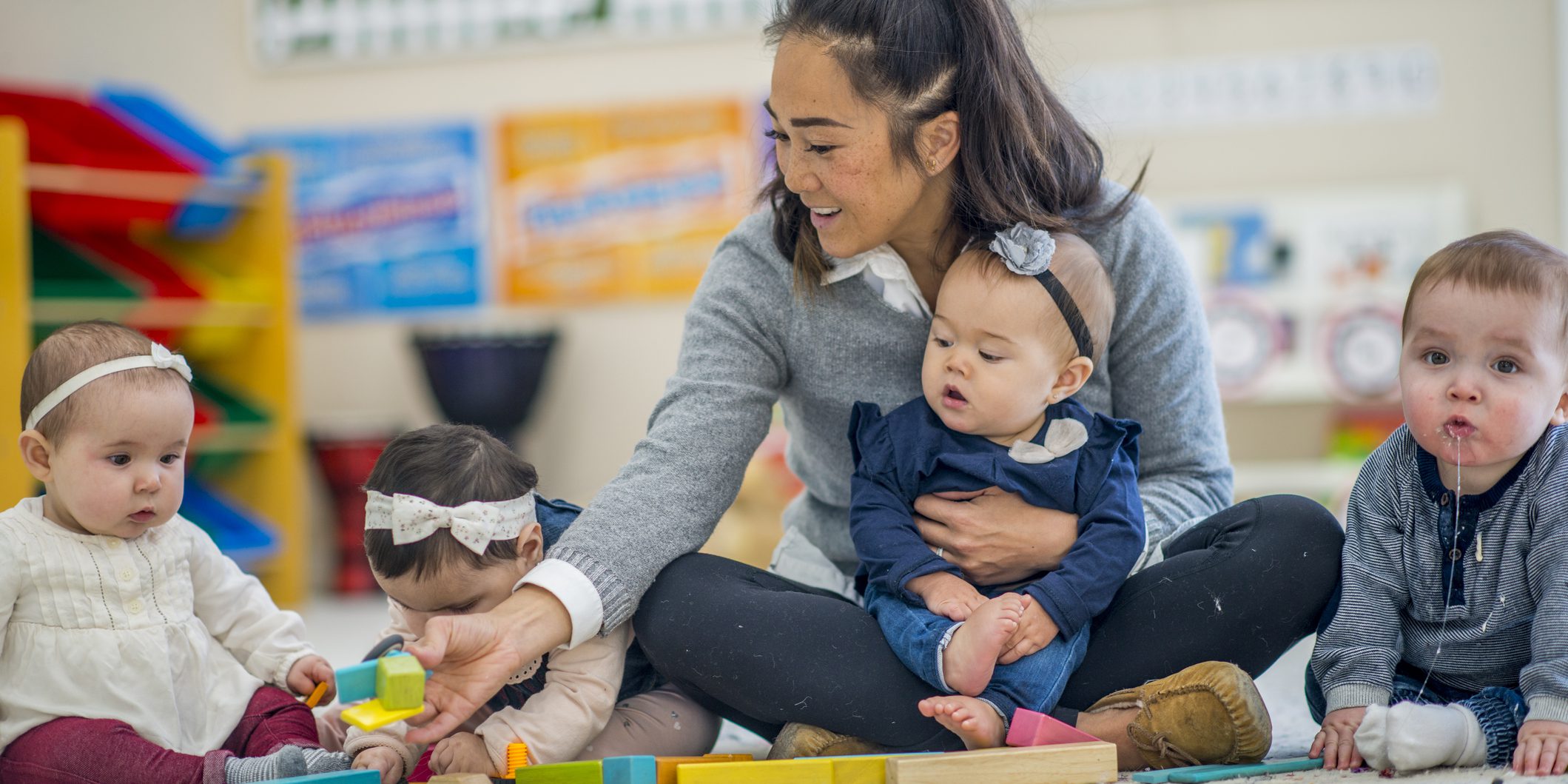
This video from the Center on the Developing Child discusses the importance of play for fostering children’s resilience and building their social-emotional skills.
This webpage from the American Academy of Pediatrics includes age-specific ideas for playful learning for children aged 0 to 6 years. This page can also be shared with families to encourage play at home.
RESOURCES
Select an assessment measure to explore examples, activities, and tools that support quality improvement for that measure.
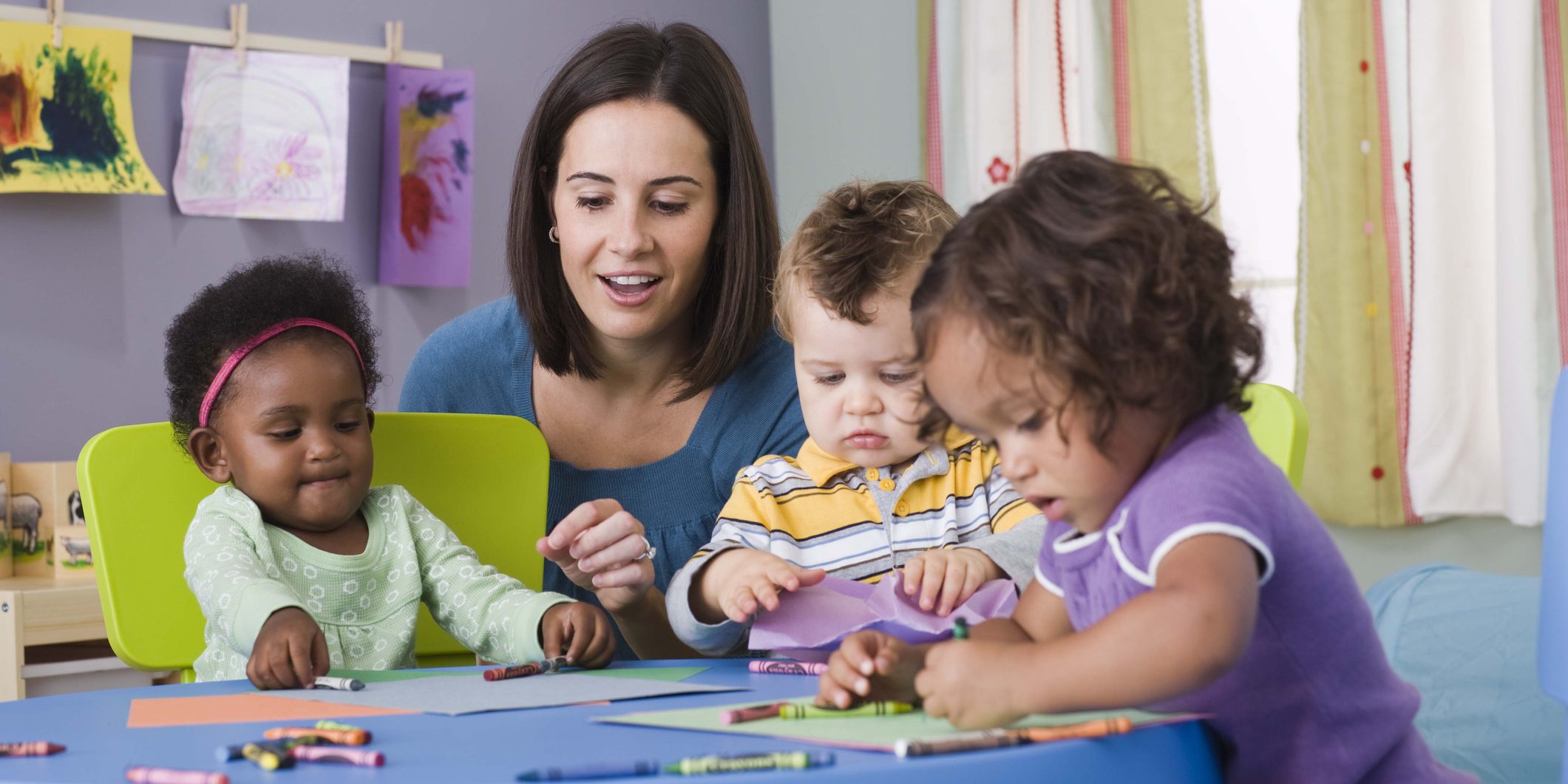
Action Songs, a publication created by Massachusetts Dept. of Early Education and Care, gives teachers suggestions of how they can support a playful attitude. The reader will read about how they can engage toddlers in repetitious songs which are fun but also help with vocabulary expansion.
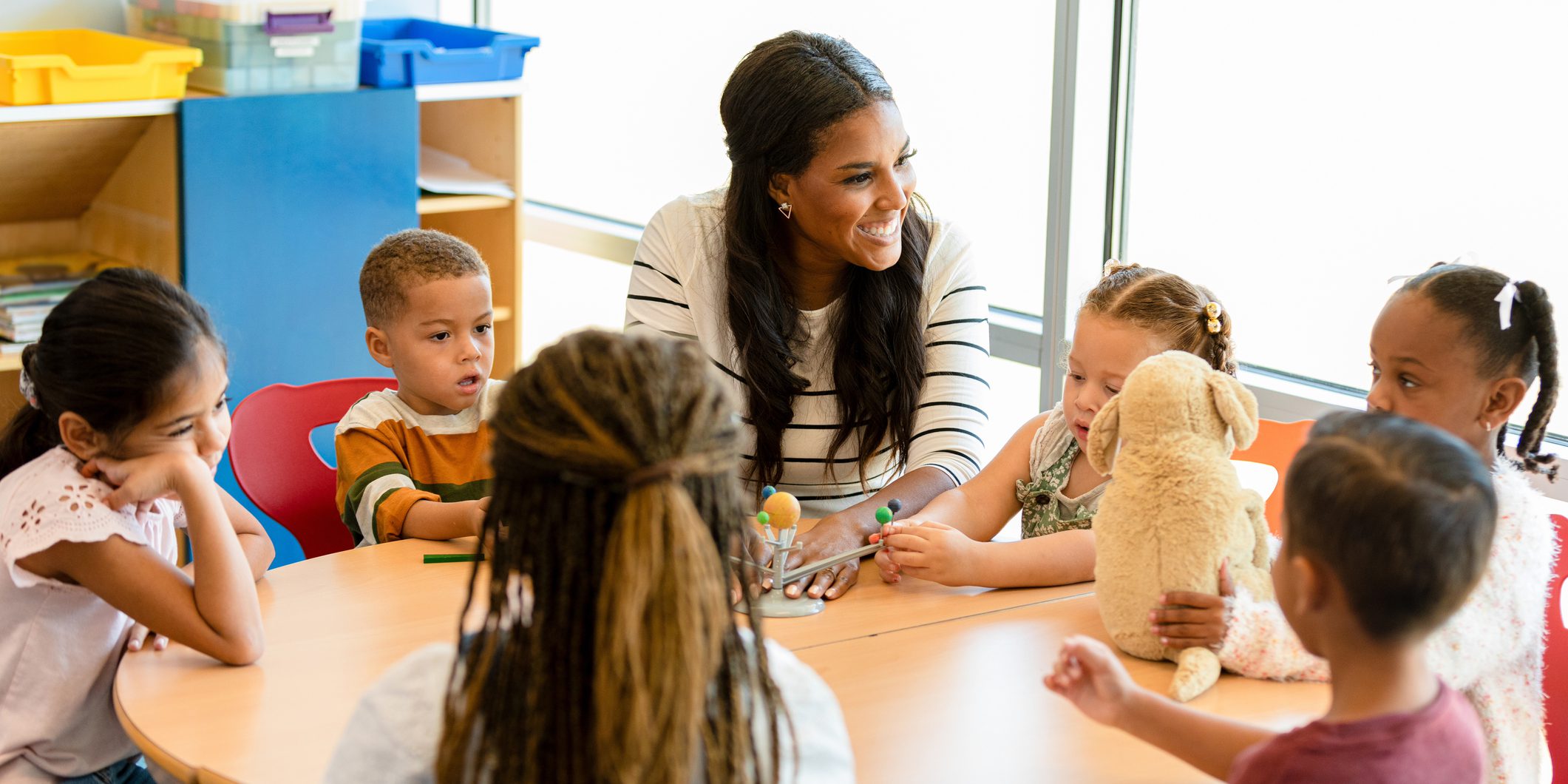
This publication gives readers ideas of how they can engage children in playful activities. The reader will read about the types of songs and chants they can use to introduce patterns and counting games to babies.

Following the Child’s Lead, a publication created by Early Childhood Technical Assistance Center, gives teachers suggestions of how they can support children as they make choices based on their interest. The reader will read about how they can engage children in playful activities to encourage them as they make decisions throughout the day.
Children can play with toy animals in many ways! Caregivers and children can make-believe, sing songs, and play games with the animals. Teachers should participate or guide children as they choose how to play with the animals.

In this activity, children sing a modified “Hokey Pokey” song with shapes. Teachers can use this playful approach to shape recognition to build children’s math skills.
Invite Interest
This exemplar video segment, showcases a teacher inviting a group of toddlers to become interested in a book she’s about to read. The teacher uses an engaging song to introduce the book and hand gestures throughout to get the children involved in a playful way.
Invite Interest
This exemplar video segment, showcases a teacher inviting a group of infants to become interested in a book she’s about to read. The teacher engages the babies in playful ways by changing her tone of voice and tapping her fingers as she reads.
Model and Join in Pretend Play
In this exemplar video segment, Model and Join in Pretend and Play, a teacher engages with toddlers in a learning center. During the segment the caregiver demonstrates engaging children in playful activities and how to create an opportunity for children to make-believe.

Naturalistic Instruction Practices, a publication created by Early Childhood Technical Assistance Center, gives teachers suggestions of how they can support children as they make choices based on their interest. The reader will read about how they can engage children in playful activities throughout the day to support and encourage the choices they make as they work and play.
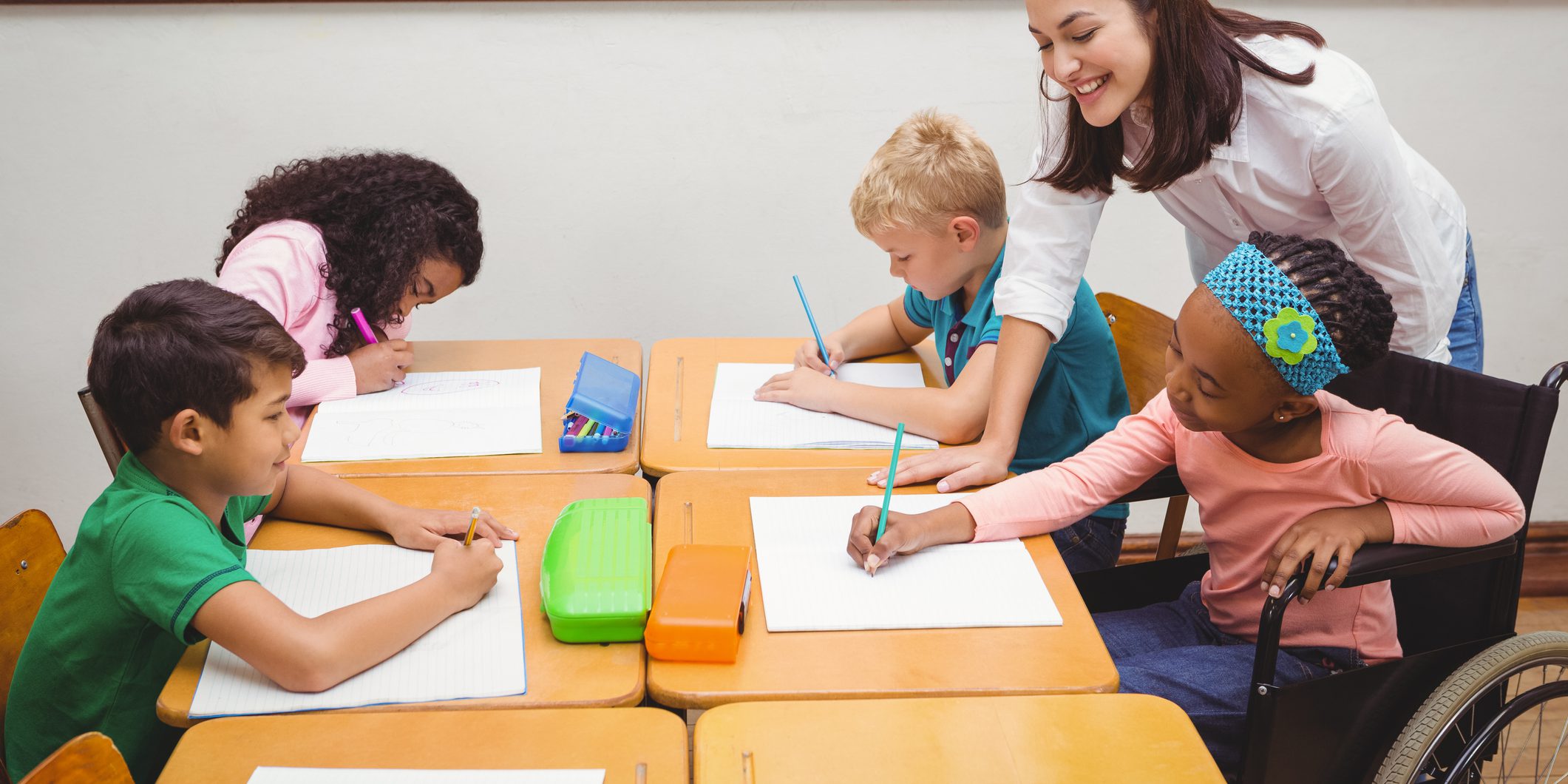
Engage children in an art project with the “Painting Pies” activity. Teachers can plan pretend play activities like this one to allow children to make choices; in this activity, children decide what materials they will use as the teacher guides them to make their “pie.”
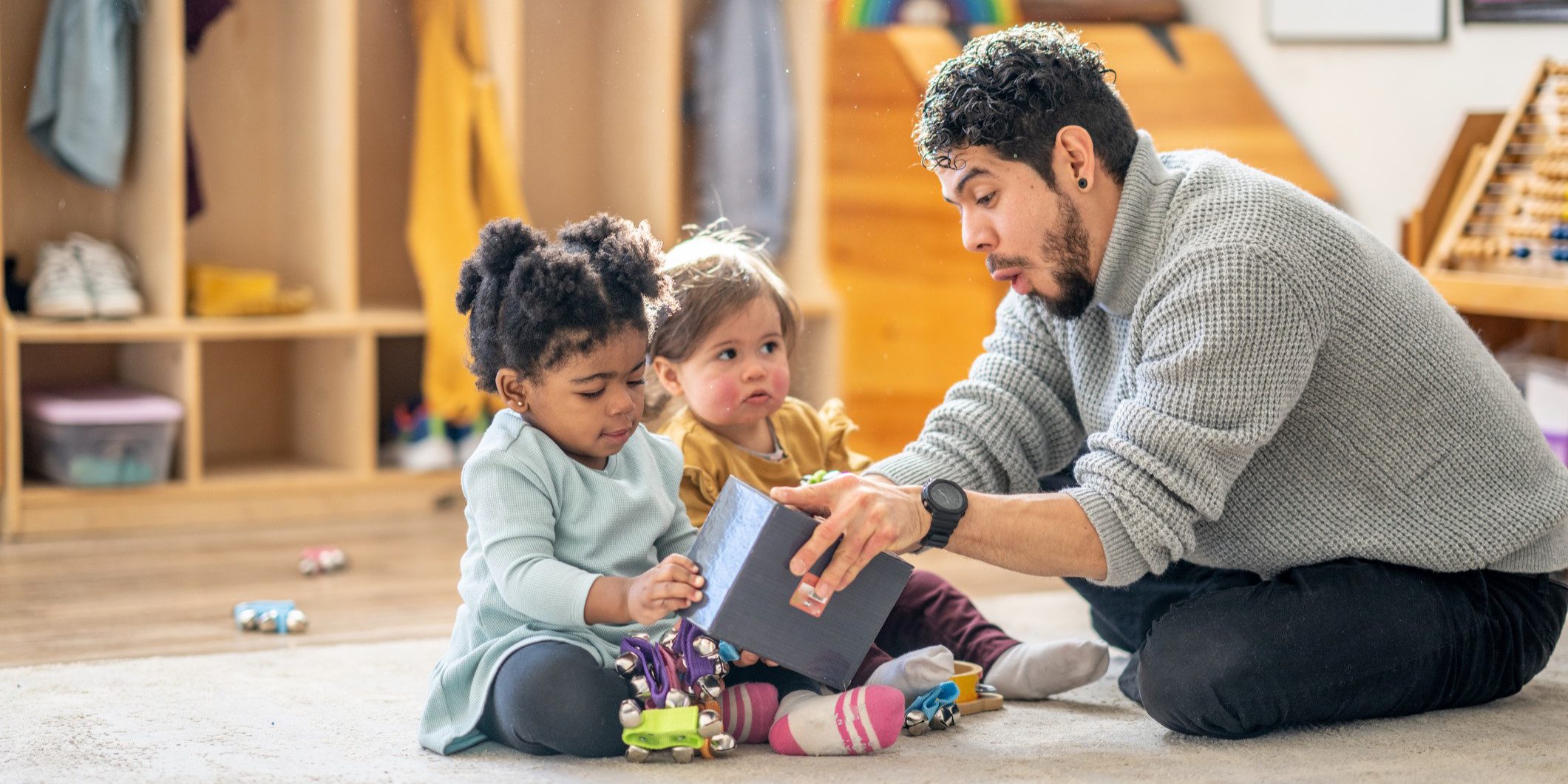
In this pretend play activity, children learn about and practice taking care of a pet. Teachers can bring a variety of “pets” and pet care items for children to choose from and play with. In the video included in the activity, the teacher engages children in a book about caring for pets before joining in the pretend play activity.
Pretend Play for Children with Differences
For all children, and especially children with developmental differences, pretend play is an excellent opportunity to practice language and social skills. Watch how this teacher encourages this child to imitate her play.
Provides Opportunities for Children to Make Choices
In this exemplar video segment, Offer Opportunities for Choice, a teacher is soothing a fussy baby. During the segment the caregiver is engaging the infant in a playful activity and demonstrating offering them the opportunity to make a choice between two objects.
Supports a Playful Attitude
In this series of video segments, teachers engage in a playful attitude with infants, toddlers, preschoolers, and after-school children throughout the day. The teachers work with the children to encourage them to make believe, make choices, and adjust activities to their own interests throughout the day.
Use Rhythm and Rhyme
In this exemplar video segment, Rhythm and Rhyme Toddlers 1, a teacher is reading nursery rhymes with a child in centers. During the segment the caregiver is allowing the child to make choices in the types of rhymes he wants to hear the teacher read or sing to him.
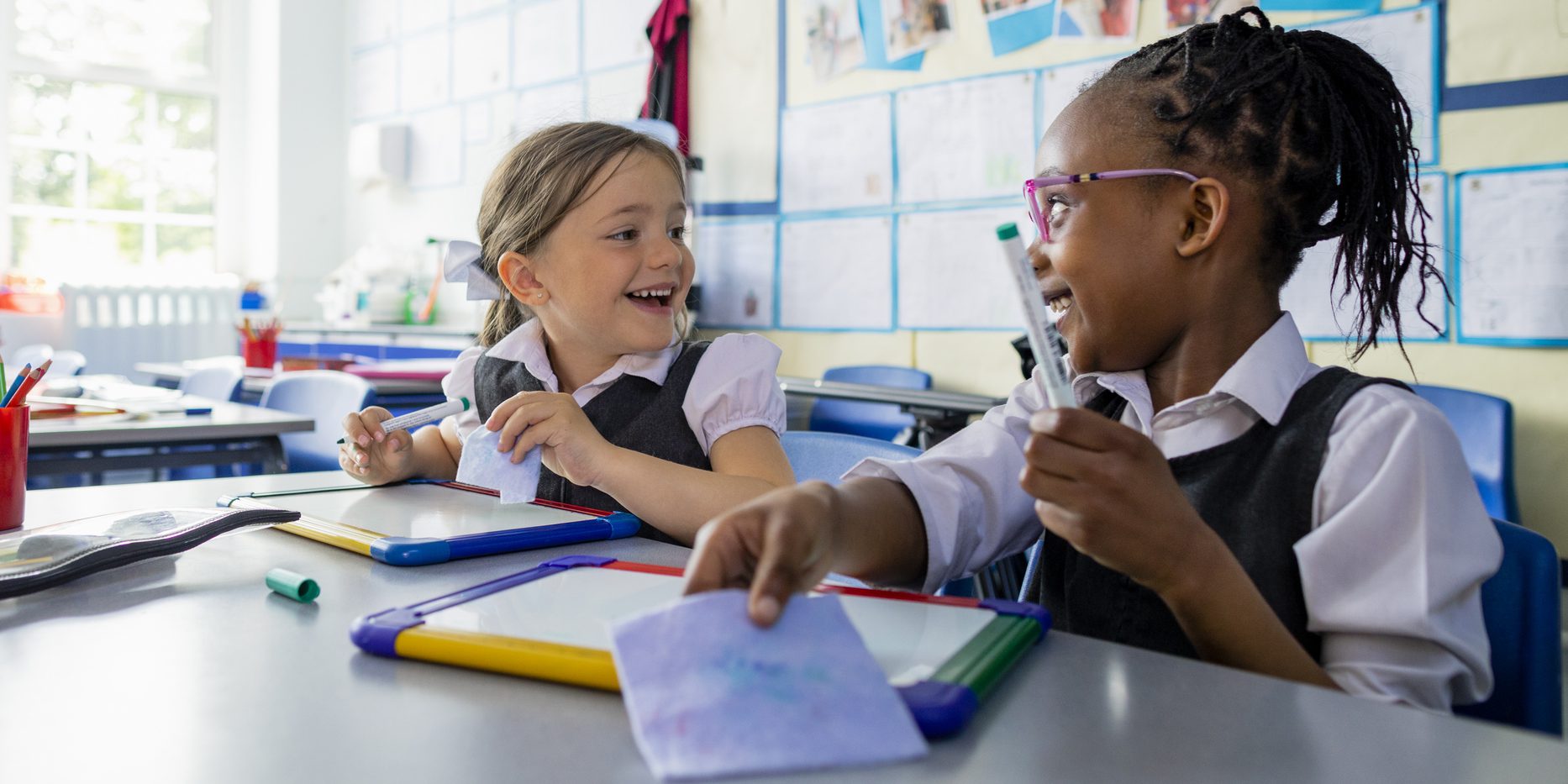
As a teacher and children participate in pretend play, teachers can reinforce language, literacy, and social development. Teachers should ask questions, use labels and descriptors, and make connections to expand on children’s play. In the video included in the activity, the teacher follows the children’s agenda in the dramatic play center.
Expanding Pretend Play
Watch how this teacher uses a “soup-making” activity to support social interaction and reinforce language around food, preferences, and family life.
Following the Child’s Lead, a publication created by Early Childhood Technical Assistance Center, gives teachers suggestions of how they can support children as they make choices based on their interest. The reader will read about how they can follow children’s lead and participate in the types of activities they chose and also extend on their choices.
Model Prosocial Behaviors
In this exemplar video segment, Model Prosocial Behaviors, as a teacher is participating in play with her children, one falls. The teacher takes time to follow the agenda of the child by providing her with a choice to continue with the activity.

Naturalistic Instruction Practices, a publication created by Early Childhood Technical Assistance Center, gives teachers suggestions of how they can support children as they make choices based on their interest. The reader will read about how they can participate with children in playful activities throughout the day as they work and play.
Participates in Child-Initiated Play
In this series of video segments, teachers participate in play with infants, toddlers, preschoolers, and after-school children throughout the day. As the teachers play with the children, they take time to expand on any initiated play that might occur, reinforce language, and follow their agenda during play.
This publication from the Massachusetts Dept. of Early Education and Care focuses on a few activities teachers can try to expand on a baby’s initiated play. When teachers pay attention to moments of a baby’s waning focus, they can add to their play in hopes of extending their exploration.

Rocking and Rolling: It’s Never “Just Play”! an article by Linda Groves Gillespie, featured on National Association for the Education of Young Children, gives readers an idea of what following the agenda of individual children might look like in a class setting. The article suggest a few new ideas and offers opportunities of reflection for readers as they participate on play initiated by children.
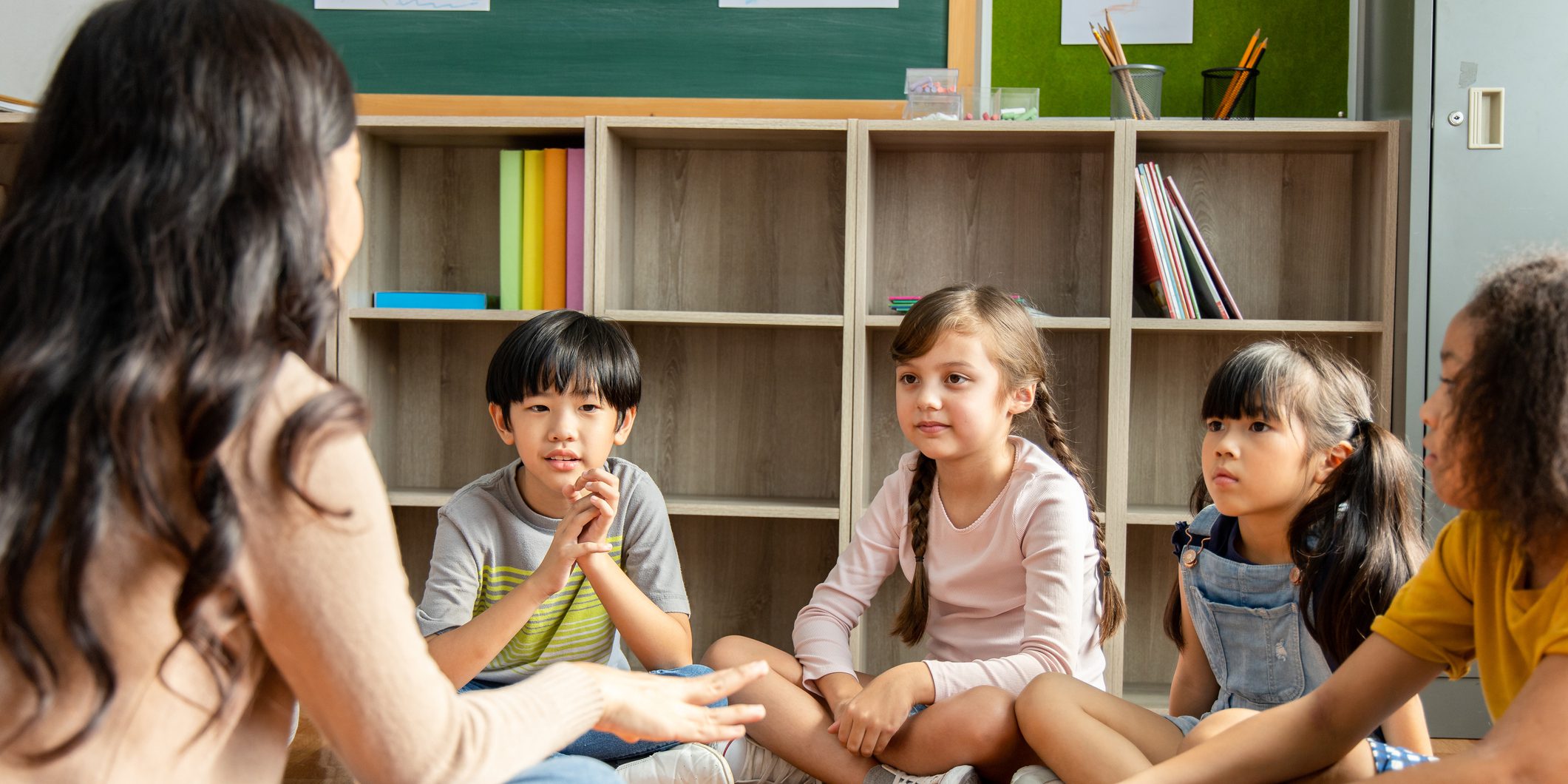
In this activity, children will work together to build a bridge. Teachers should provide a variety of materials for children to build with. As the teacher visits each group of children, they guide children by asking questions and encouraging further exploration.
Demonstrate and Explain How Things Work (Toddler)
In this exemplar video segment, Explain and Demonstrate How Things Work, a teacher provides guidance to a toddler as he builds a tower. As the two play together, the caregiver helps the child complete the building activity by modeling the appropriate way to stack the rings on the toy.
Downward Scaffold (Infant)
In this exemplar video segment, Do You Want More, a teacher provides guidance to help a baby build a new sign language skill. As the teacher feeds the child, she encourages him to use sign language as a way to communicate his desire for more food.
Downward Scaffold (Toddler)
In this exemplar video segment, Lizard or Salamander, a teacher provides guidance by offering choices to a child as they attempt to identify a toy reptile. When the child struggles providing the correct name to the toy the teacher provides him with a scaffold to build his vocabulary knowledge.
Encourage Imitation
This exemplar video segment, Encourage Imitations, showcases a teacher providing guidance as she models a simple behavior with a toy for an infant. The teacher demonstrates using the toy then waits patiently for the infant’s response before showing them again how to use the object.
Flexibility in Thinking
This exemplar video segment, Promote Flexibility in Thinking, showcases a teacher providing guidance as she prepares toddlers to transition from outside to snack. The teacher accepts a child’s way of doing things by not requiring her to count down the time to go inside but instead accepting her response and offering another choice.
Following the Child’s Lead, a publication created by Early Childhood Technical Assistance Center, gives teachers suggestions of how they can provide guidance to children as they make choices based on their interest. The reader will read about how they can follow children’s lead and participate in the types of activities they chose while accepting the child’s way of doing things.
Model Problem Solving (Infant)
In this exemplar video segment, Model Thinking Aloud, a teacher provides guidance to help an infant build skills in the area of expressing when they have had enough food. As the teacher feeds the child, she offers him more food and acknowledges his objections when he has had enough.
Model Problem Solving (Toddler)
In this exemplar video segment, Model Thinking Aloud, a teacher provides guidance to toddlers as they work to come up with ideas on adjusting the height of a basketball hoop. The teacher questions the children to get their suggestions, she accepts their ideas and works with them until they are able to solve their problem.
Promote Flexibility in Thinking
Provides Guidance when Children are Working
In this series of video segments, teachers provide guidance to infants, toddlers, preschoolers, and after-school children throughout the day. As the teachers play and work with the children, they make sure to accept the way children choose to do activities, use encouraging communication, and encourage problem-solving, all without using directive statements.
Scaffold by Adding Challenge (Infant)
In this exemplar video segment, Scaffold Children’s Learning by Adding Challenge, an infant teacher provides guidance to children as they play a game of shaking bottles to make noise. The teacher offers prompts and hints to the children as to encourage them to think of new ways to use the noise makers.
Scaffold by Adding Challenge (Toddler)
In this exemplar video segment, Scaffold Children’s Learning by Adding Challenge, a toddler teacher provides guidance to a child as she is working on matching-colored rings onto a puzzle. The teacher encourages communication, offers prompts and hints as the child attempts to verbalize the color of the rings before she sorts them on to the colored posts.
Using Children’s Interests in Facilitating Peer Play
Teachers can use children’s interest as way to draw them into social interactions with their peers. In this clip, the teacher builds on a child’s interest in toy animals to facilitate building a “zoo” with a peer.
Community Building
In this exemplar video segment, a teacher shows how to create a positive classroom community by facilitating social interactions with children. As the teacher in the video helps the children in a small group complete an activity, he also encourages the other children to celebrate one of their peers’ successes during the lesson.
Teaching children how to make friends is important for their social development. In this activity, the teacher provides opportunities for children to act out ways to ask others to play. Children can use the strategies in small groups, in centers, or outside.
Plan Activities for Peer Interactions
Teachers have many opportunities during the day to promote peer interaction between children. In this exemplar video segment, a teacher helps facilitate an activity where infants are taking turns playing back and forth with a toy.
Plan Activities to Promote Peer Interactions
Teachers have many opportunities during the day to promote peer interaction between children. In this exemplar video segment, teachers help facilitate an outdoor game with toddlers where they model social interactions. During the activity the teachers show the children how to include everyone in the game and how to wait patiently for peers as they finish up the game.
Teaching children how to play cooperatively is important for their social development. In this activity, the teacher provides opportunities for children to act out ways to play together, including what to say when a child doesn’t want to play with others.
Provides Opportunities for Social Interactions
In this series of video segments, teachers provide social opportunities for infants, toddlers, preschoolers, and after-school children throughout the day. In the video, teachers give children opportunities to interact with each other during mealtimes, centers, and outdoor time, all while facilitating how the children interact as they play together.
Children can play “Roll to a Friend” with one friend or many! As children play, the teacher can facilitate how children interact by encouraging them to say each other’s names and play cooperatively.
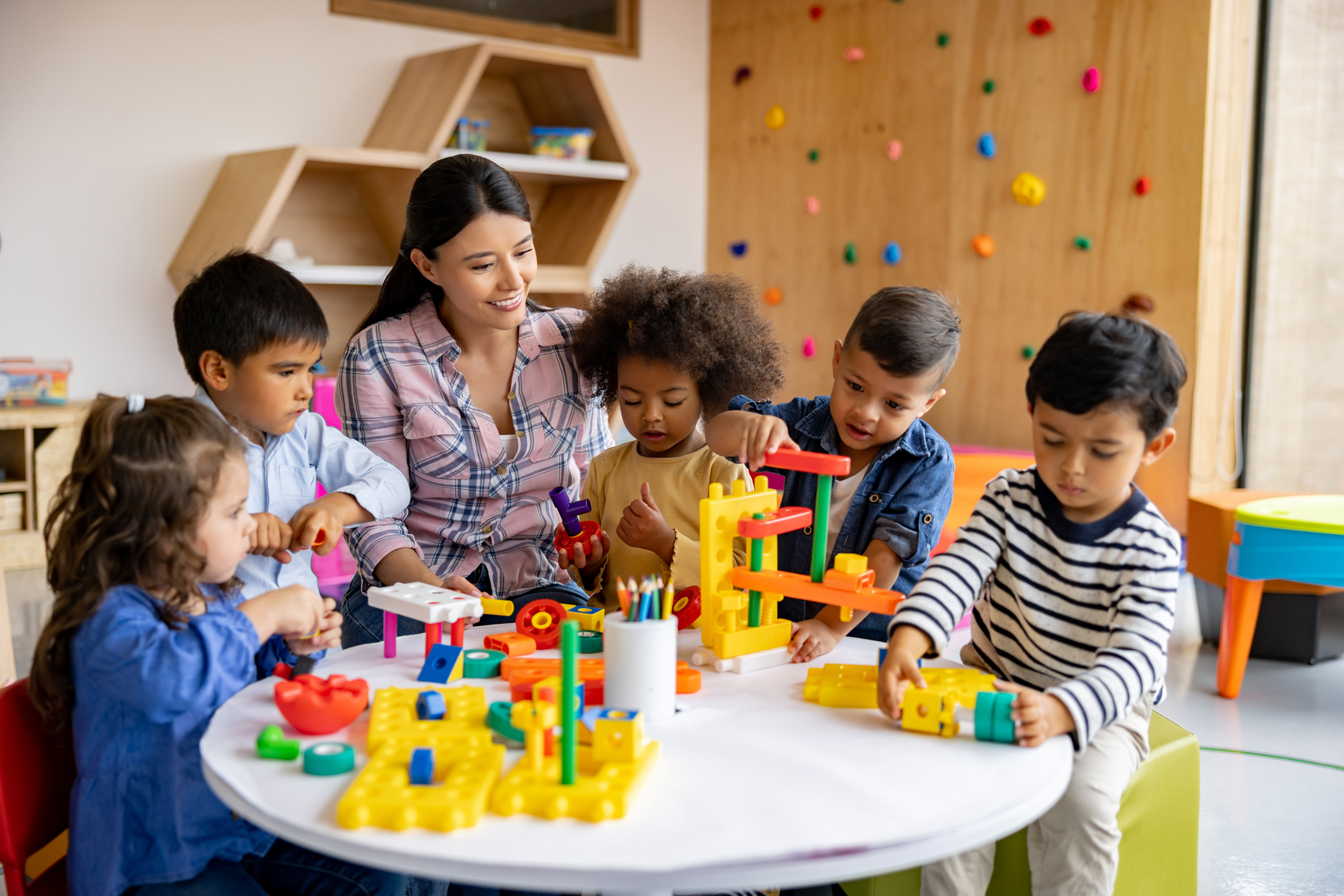
In this activity, the teacher provides opportunities for children to share with a partner. Teaching children how to share with a friend is one way to facilitate positive peer interactions.
Support Turn-Taking
In this exemplar video segment, Support Turn Taking, a toddler teacher provides many opportunities for children to work together in a large group during a music activity. The teacher uses turn taking to facilitate how the children engage in play with each other during music time.