
Outdoor Learning Environment

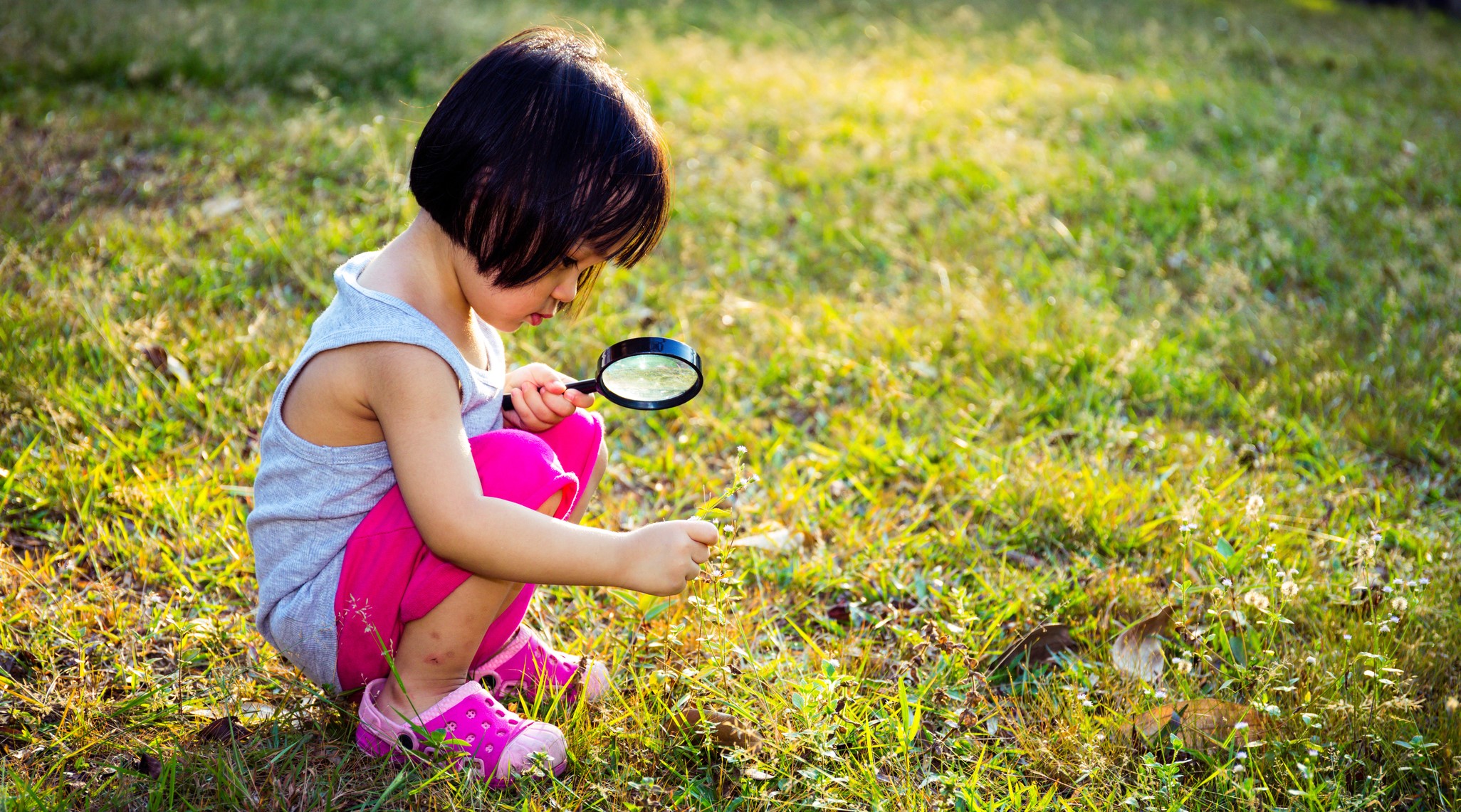
Outdoor learning experiences are necessary for healthy development. Daily opportunities to play outdoors help children develop their gross motor (big muscle) skills as they run, jump, climb, and crawl. There are cognitive benefits to children’s outside play, too, like exploring the world around them and increasing their knowledge of living things. Learning from the indoors can often extend into outdoor time, and vice versa. Programs can use themes from the classroom with the activities and games that children play outdoors, and they can encourage children to bring natural elements back inside for further investigation.

Select to learn more about the measures in this subcategory.
  • Activities Linked to Indoor Learning (P-OLE-01): This measure assesses outdoor environments that allow children to engage in natural small groupings with activities that reinforce indoor learning. These environments or areas include sandboxes, benches, sensory and picnic tables, tepees, and blankets. Not included are basketball courts, open fields, and large play structures. Excluded activities are racing, jumping jacks, riding bikes, and playing basketball.
  • Natural Environment (P-OLE-02): This measure evaluates the outdoor environment that allows children to care for living things and appreciate nature. The classroom or center must have outdoor spaces with elements such as natural grass, trees, shrubbery, or dirt, that encourage children to play and interact with nature. The outdoor spaces may include trees, plants, rocks, wooden stumps, wind chimes, animal observation nooks, pebbles, grass, and sand. Artificial plants, rubber mulch, and other manufactured replicas of nature are not included.
  • Equipment and Materials Encourage Activity (P-OLE-03): This measure refers to outdoor environments, natural and manufactured equipment, and materials providing partial shade to children that motivate the children to be physically active and engage in active play. Whether the children choose to be sedentary or active, it is the facility’s responsibility to provide the proper outdoor environment for the children to have the opportunity to engage in physical activities. Not included are picnic tables, benches, and materials and equipment that are not age-appropriate.
  • Infants’ Outdoor Experiences (P-OLE-05): This measure assesses the outdoor equipment and materials used for infants. The facility should provide infants with more than just blankets, balls, and toys. Infants must have age-appropriate equipment and materials that encourage infants to experience their environment. 
Jump to explore trainings and resources that support this subcategory: Trainings  |  Resources

Tools & Trainings

Guided Tour of Best Practice Indicators: Covenant Child Development Center

Take a guided interactive virtual tour of an outdoor learning environment at a real child care center with labels marking key elements to promote learning and engagement. There are also videos by the Natural Learning Initiative linked to the labels to explain the purpose of each outdoor feature. Program staff can use this tool for inspiration on how to design their outdoor learning environment.

Age group(s): Toddler, Preschool, School-age
Resource Type: Guide
Indoor and Outdoor Environment Checklist

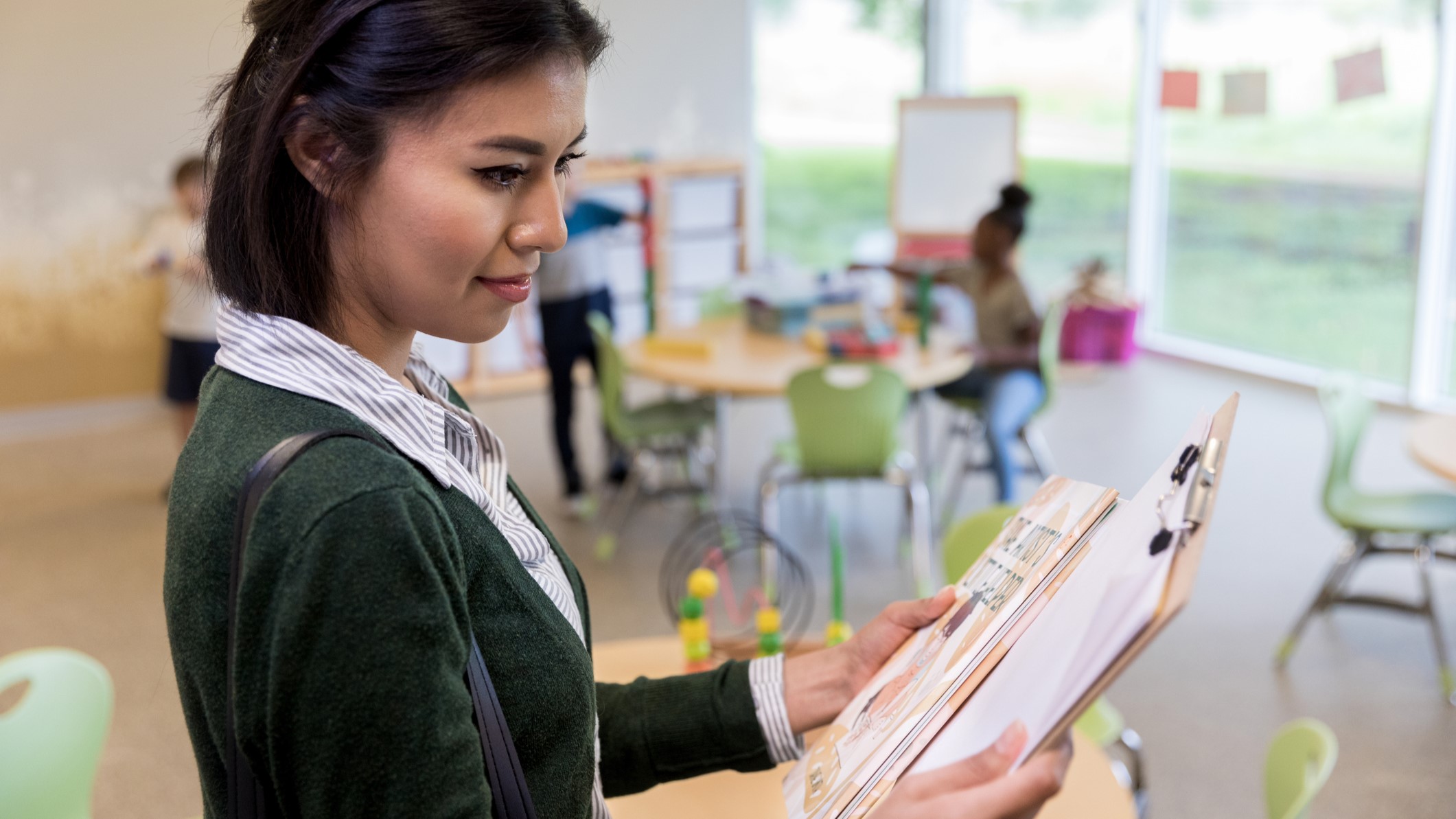
This checklist can be used for self-assessment by a director or classroom teacher as well as the mentor to determine what elements may be needed to provide a high-quality learning environment. Some items may not be required for Texas Rising Star but are indicators of high-quality learning environments.
Age group(s): Infant, Toddler, Preschool, School-age
Resource Type: Checklist
Learning Environments Planning Form

This planning form helps programs identify indoor and outdoor interest areas and the real objects provided in those areas. Use this form with teachers to reflect on what’s currently available and what improvements can be made.

Age group(s): Infant, Toddler, Preschool, School-age
Resource Type: Observation Tool
Nature Play Opportunities

This publication by Green Schoolyards America promotes the importance and benefits of nature play for young children. Program staff can utilize the recommendations and examples for designing their own outdoor learning environments in a safe and resourceful manner.

Age group(s): Infant, Toddler, Preschool, School-age
Resource Type: Guide
Top Ten Activity Settings For Outdoor Learning

This guide lists different types of activity settings and design considerations for outdoor learning environments. Each activity setting is accompanied by a picture to illustrate how the setting can promote learning and interactive play. Program staff can use these guidelines to incorporate common natural elements into an interactive outdoor learning environment for children.

Age group(s): Infant, Toddler, Preschool, School-age
Resource Type: Toolkit

RESOURCES


Select an assessment measure to explore examples, activities, and tools that support quality improvement for that measure.

Outdoor Activities

This video includes a collection of photographs of outdoor learning environments. Notice how these toys and materials support learning in small groups while reinforcing what children are learning indoors. Note: This video has no audio.

Age group(s): Infant, Toddler, Preschool, School-age
Resource Type: Video Example
Appreciation of Nature

This video illustrates materials that support exploration of infants in an outdoor learning environment through a collection of labeled photographs. Note: This video has no audio.

Age group(s): Infant, Toddler, Preschool, School-age
Resource Type: Video Example

This publication by Penn State Extension discusses the benefits of incorporating natural elements in children’s play and how providers can set it up. It also includes pictures from classrooms as examples.

Age group(s): Infant, Toddler, Preschool, School-age
Resource Type: Publication

This outdoor environment provides children with plants and dirt to encourage them to play and interact with nature. Here, they can plant seeds and care for them as they grow into plants.

Age group(s): Infant, Toddler
Resource Type: Photo Example

Children can appreciate nature in these outdoor spaces. In one area, they can play and interact with sand; in another area, they can explore landscaping items like pebbles and rocks.

Age group(s): Infant, Toddler
Resource Type: Photo Example
Equipment and Materials

This video illustrates materials that supports children engaging in physical activity in an outdoor learning environment through a collection of labeled photographs. Note: This video has no audio.

Age group(s): Infant, Toddler, Preschool, School-age
Resource Type: Video Example

This engaging play structure provides many opportunities for children to move, crawl, and twist. This structure also provides additional shade while children are playing.

Age group(s): Toddler
Resource Type: Photo Example
Infant Outdoor Learning Environment

This video illustrates materials that support exploration of infants in an outdoor learning environment through a collection of labeled photographs. Note: This video has no audio.

Age group(s): Infant
Resource Type: Video Example

This outdoor environment for infants has several developmentally appropriate materials. There are balls, play mats, and rattles for the baby to explore outside.

Age group(s): Infant
Resource Type: Photo Example