
Trainings & Recommended Reading

Talk with Me is a three-part series of courses designed to provide teachers and caregivers of infants and toddlers with the skills and knowledge to support language development. Participants will learn about language milestones, theories, and long-term outcomes through video segments, expert interviews, and research-based resources. (6 hours)
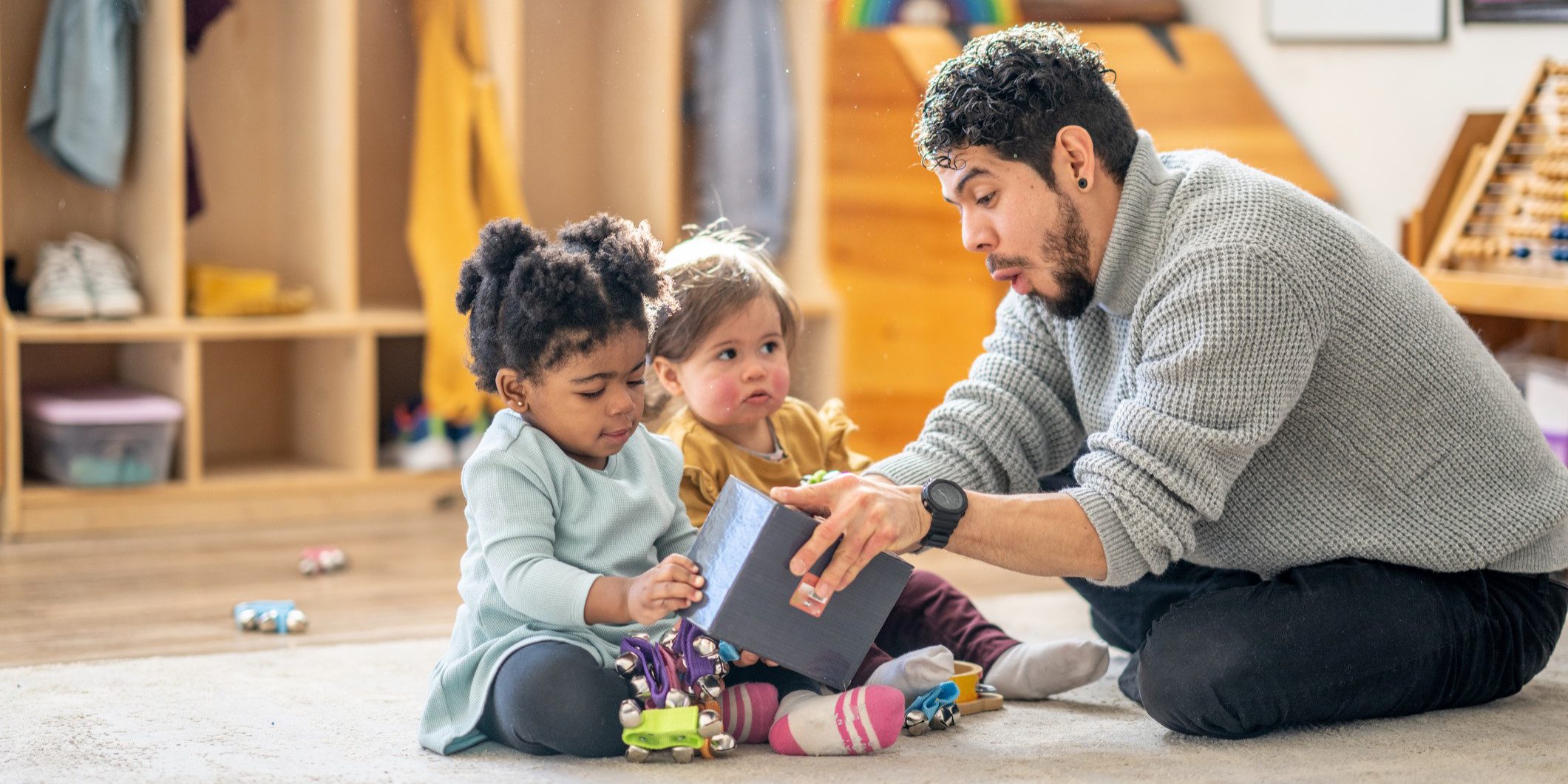
This page introduces four key areas of infant-toddler language and communication, and links to activities within the Circle Activity Collection: Infant and Toddler that facilitate language development.

This publication from Penn State Extension provides readers with steps they can take to help children develop early literacy and language skills. This resource is written for infant, toddler, and preschool teachers and provides suggestions for each developmental stage.

eCircle Professional Development Series – Building Vocabulary is a course teachers can take to help enhance and develop theme-based vocabulary instruction for their prekindergarten children. Practitioners will learn teaching techniques in both English and Spanish that can help them create a classroom environment based on themes that help children grow in language and vocabulary development.

This course focuses on key elements of encouraging children’s talk: responsiveness, rich content and stimulation, and emotional support. Practitioners will learn scaffolding strategies for children’s talk that will encourage them to flourish within the classroom environment. (6 hours)

This is a self-paced tutorial created to help educators understand the best ways to engage children in meaningful conversations. The video includes sections on how to build in opportunities to talk, modeling conversations, and using complex language and vocabulary with children.
This page includes strategies for embedding high-quality language support and links to activities within the Circle Activity Collection that facilitate language development.

This publication from Penn State Extension provides readers with ideas of how they can purposefully guide and support children’s language development. Practitioners will read about how they can intentionally plan their days with oral language opportunities to support language acquisition.
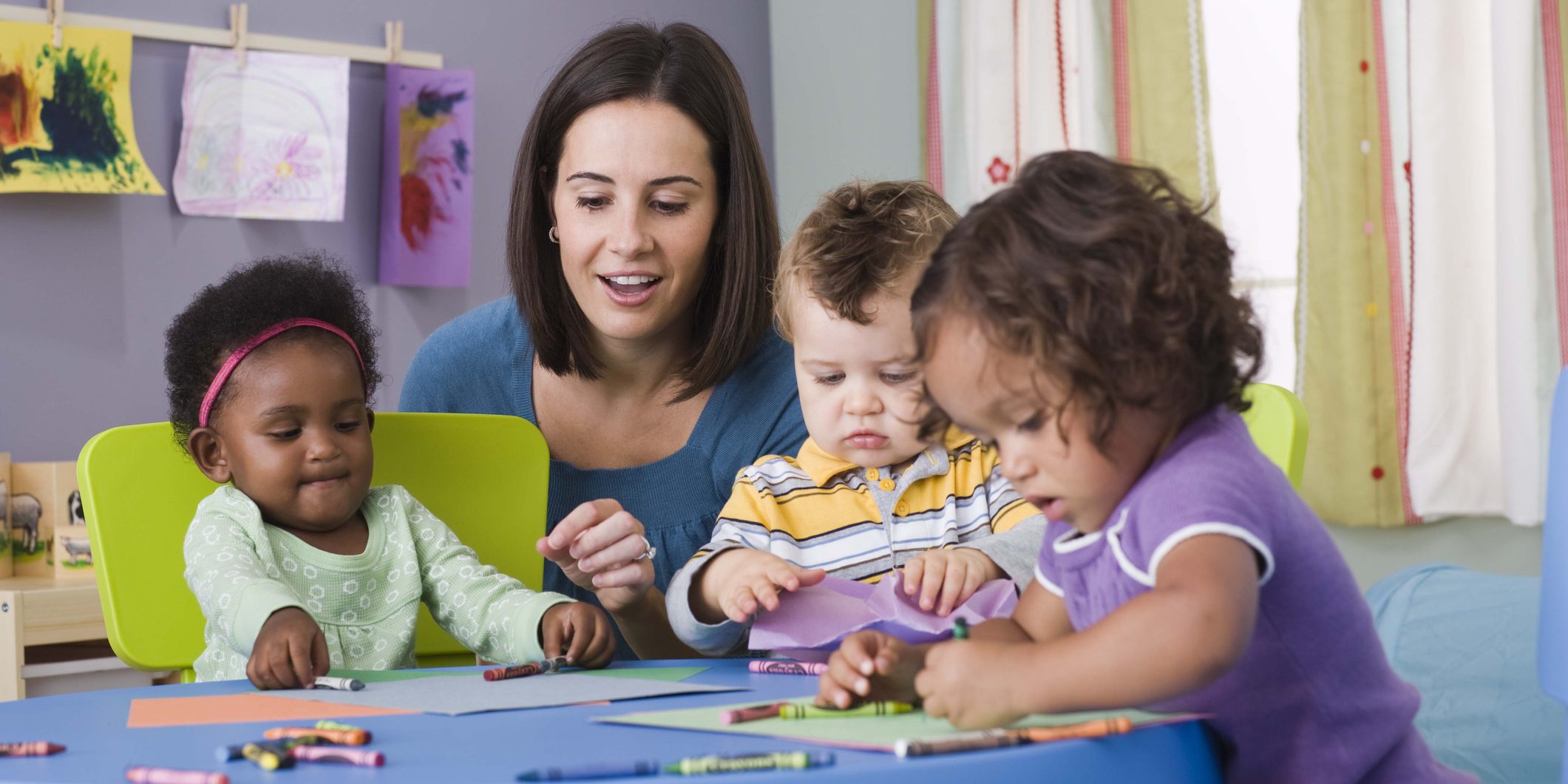
This professional development video from the WGBH Educational Foundation demonstrates how warm, responsive relationships help older infants feel safe, confident, and supported as they explore their environment and interact with others. It also highlights how talking with infants and responding to their gestures, sounds, and actions supports language development through meaningful back-and-forth conversations.

This course helps teachers and caregivers understand how to be responsive caregivers to infants and toddlers through the support they provide in the areas of language and development. The training focuses on the following topics: language development theory, language mastery, stages of language acquisition, and language development within the context of culture and history.

This self-paced training gives prekindergarten teachers an overview of the Language and Communication domain, end-of, year outcomes, and types of instructional strategies they can use to support children’s skill development. The training focuses on the following topics: listening comprehension, speaking (conversation), speech production, vocabulary, and sentence structure.
RESOURCES
Select an assessment measure to explore examples, activities, and tools that support quality improvement for that measure.
Listens and Responds
Teachers notice and respond positively to individual children’s gestures, vocalizations, and comments in this video. They build children’s oral language skills by attentively and appropriately responding to their communication attempts.
Look at Me!
The caregiver in this video is highly responsive to the baby. She notices when the baby communicates nonverbally that she wants to stand, and she responds positively when the baby babbles and interacts with her reflection.
Oral Language Use – Scaffolding (Exemplar 2)
This exemplar preschool video segment shows a teacher listening and responding to a child attentively as they attempt to identify a letter. When the child’s attempt to recognize and name the letter become apparent, the teacher listens patiently, and offers the child support as needed.
Oral Language Use – Scaffolding (Exemplar 3)
In this preschool video segment a teacher listens intently and provides clarifying information which helps a group of children to come up with the phrase grocery store. The exemplar shows how listening to children can allow teachers to notice moments when children need language supports.
Stir, Scoop, and Bake
This teacher consistently responds to the children’s communication attempts in a positive way. She engages them in conversations and listens attentively. When a child says “no” to another child, the teacher continues the interaction by explaining that he wants to help and models how to ask a friend if they want help. Noticing and responding to children’s communication makes them feel valued.
“Talk, Talk, Talk” provides tips teachers can use when talking and listening to babies and toddlers. The document suggests ways caregivers can listen attentively and respond to children to encourage back and forth conversation to develop language.
Hole in One
The teacher in this video encourages the baby with several positive, supportive phrases, such as “Let me see you do it!” and “Yay, goes in! Great job!” Providing praise reinforces the baby’s effort and accomplishments.
Social and Emotional Development – Praise (Exemplar 2)
In this exemplar video segment, as a teacher is working with children during circle time, she uses positive verbal responses. When the children successfully complete the activity she praises them by acknowledging their accomplishments.
Social and Emotional Development – Praise (Exemplar 3)
In this exemplar preschool video segment, as a teacher is working with children, she uses positive verbal responses. When the children successfully complete the activity, she praises them by giving them a round of applause.
Social and Emotional Development – Praise (Exemplar 4)
In this exemplar video segment, during a circle time activity, a teacher uses encouragement to reinforce a child’s accomplishment. When the child successfully completes a task, the teachers praises him on a job well done.
Social and Emotional Development – Specific Feedback (Exemplar 1)
In this exemplar preschool video segment, as a teacher is working with children, she uses encouragement to reinforce a child’s accomplishment. When the child successfully completes the task, the teacher gives him detailed praise to reinforce the desired behavior she noticed.
Social and Emotional Development – Specific Feedback (Exemplar 2)
In this exemplar video segment, as a teacher is working with children during circle time, she uses positive verbal responses. When the children successfully complete an activity, the teacher gives them detailed praise to reinforce the desired behavior she noticed.
Social and Emotional Development – Specific Feedback (Exemplar 3)
This exemplar video segment shows a teacher providing verbal praise. She uses encouragement to reinforce a child’s accomplishment. When the child successfully completes the task, the teacher gives her detailed praise to reinforce the desired behavior she noticed.
Social and Emotional Development – Specific Feedback (Exemplar 4)
This exemplar video segment shows a teacher providing verbal praise after children complete a math activity. She uses words of encouragement to reinforce their accomplishments and the desired behaviors she noticed.
Social and Emotional Development – Specific Feedback (Exemplar 5)
This exemplar video segment shows a teacher giving verbal praise after a child successfully writes her name during an activity. She uses positive words to reinforce her accomplishment and to encourage the desired behaviors she noticed.
Social and Emotional Development – Specific Feedback (Exemplar 6)
In this exemplar video segment, a child describes his writing to his teacher and classmates. Upon completion, the teacher provides him with specific verbal praise about his writing and descriptions to encourage a continuation of the desired outcome.
In the document Babble Talk, created by the Department of Early Education and Care, the writers describe ways teachers can listen to, respond to, and extend babies’ babbles or attempts at talk. Listening, responding, and extending language with babies face-to-face in infancy can lead to stronger language skills as they become toddlers.
Link to Experiences (Toddler)
In this exemplar video segment, a teacher uses language to expand and add meaning to a book being read to a child. As the child listens and talks about the watermelon story, the teacher asks questions to expand on what interests the child during the book reading.
Modeling Language in Conversations with Children
In this clip, a child initiates a conversation about grasshoppers. Watch how the teacher models back his language in clearer sentences and keeps the conversation going.

The PNC Foundation published this guide to share 10 different practices teachers can use to promote the language development and communication skills of infants and toddlers. One of the strategies mentioned is commenting on children’s actions, interests, or initiations. Teachers can make comments and ask questions in response to something a child has said to build the child’s language.
Turning Discovery into Conversation
Watch how this teacher turns a child’s discovery into an opportunity to expand on what they know about bugs.
Communicates with Children
The video exemplar highlights moments throughout the day classroom teachers can communicate with children. Routines such as hand-washing, center time, and small groups provide teachers with opportunities to have meaningful and rich conversations.
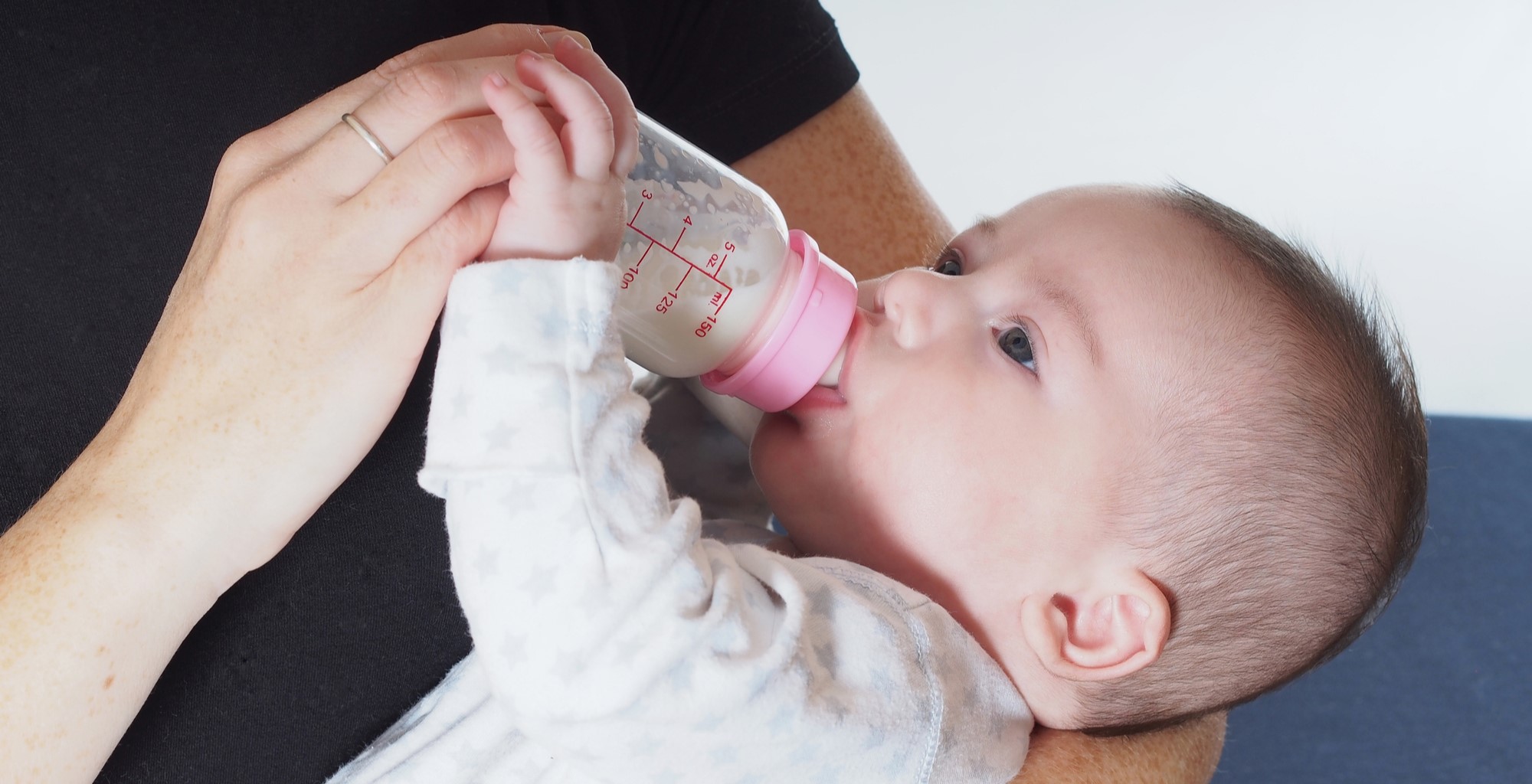
In this activity, the caregiver will engage an infant in a “conversation” during a routine daily activity. Caregivers can talk to babies and imitate sounds during diaper changes, mealtimes, and tummy time.
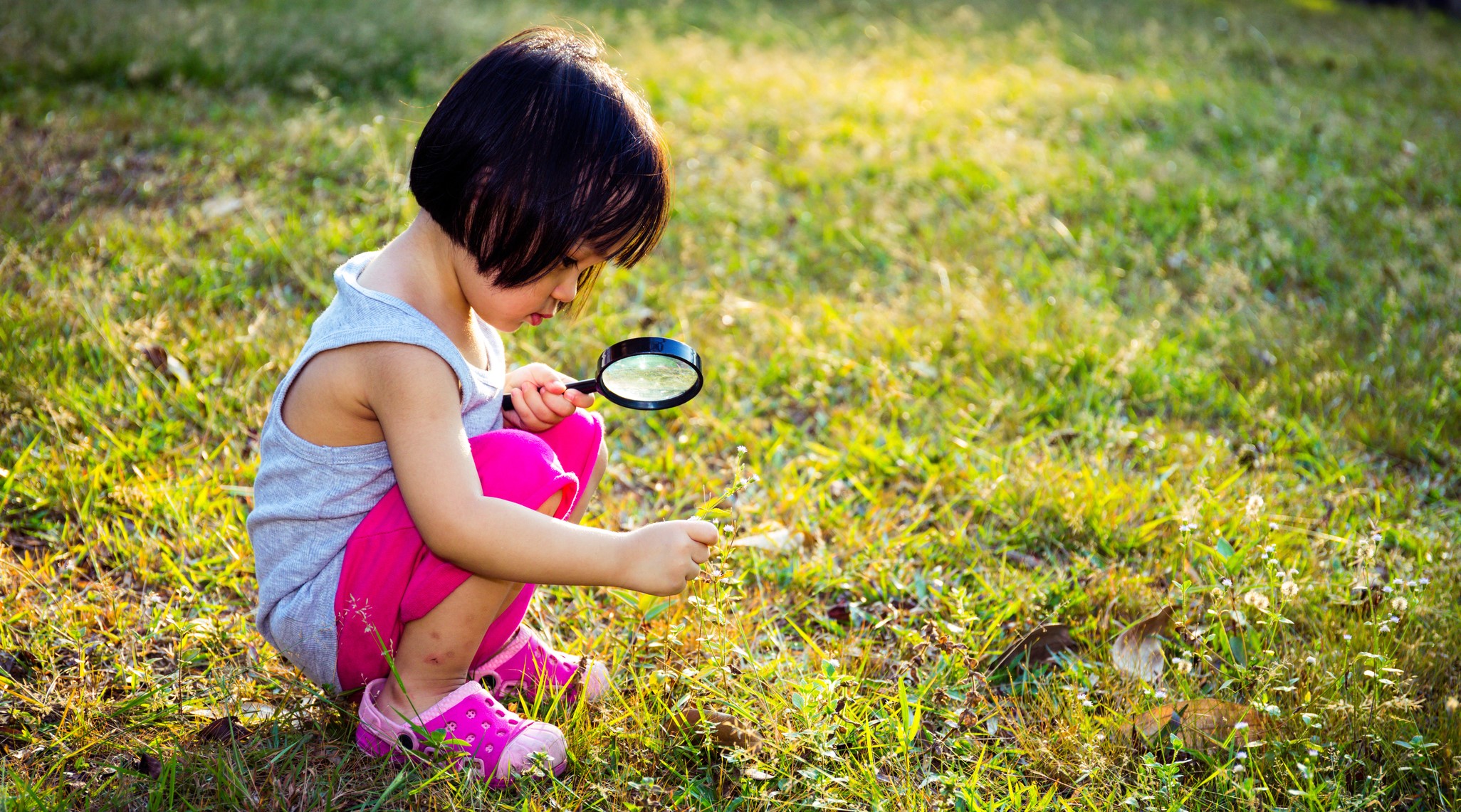
In this activity, children identify and draw items they find on a nature walk. The teacher can support each group of children by having conversations with them about what they find, what they notice, and what they’re drawing. The teacher can also describe how children help each other.
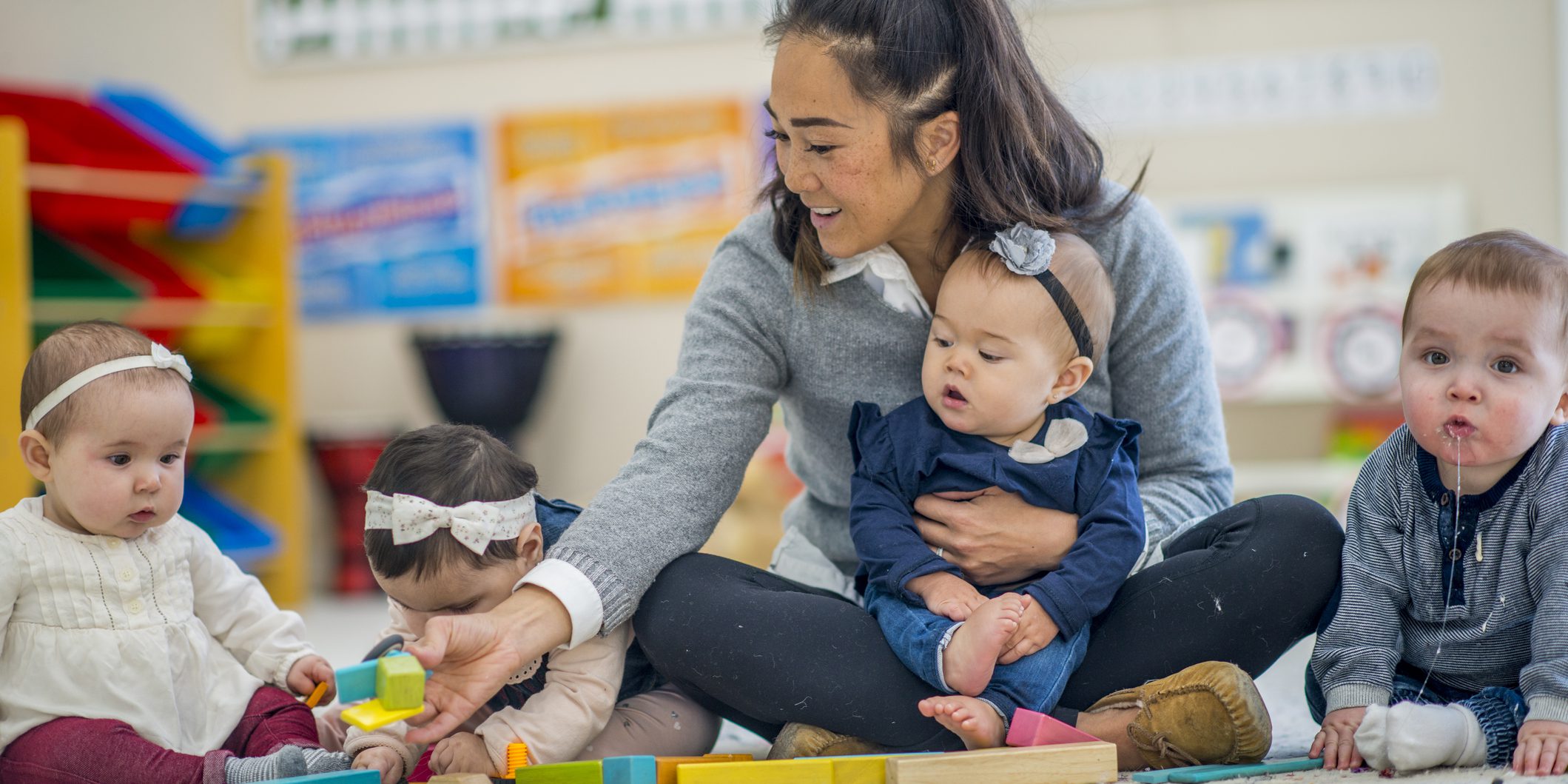
This video from the WGBH Educational Foundation shows the importance of communicating with infants throughout the day. From this video, infant teachers can see how to provide infants with language stimulation during the day’s routines and activities.
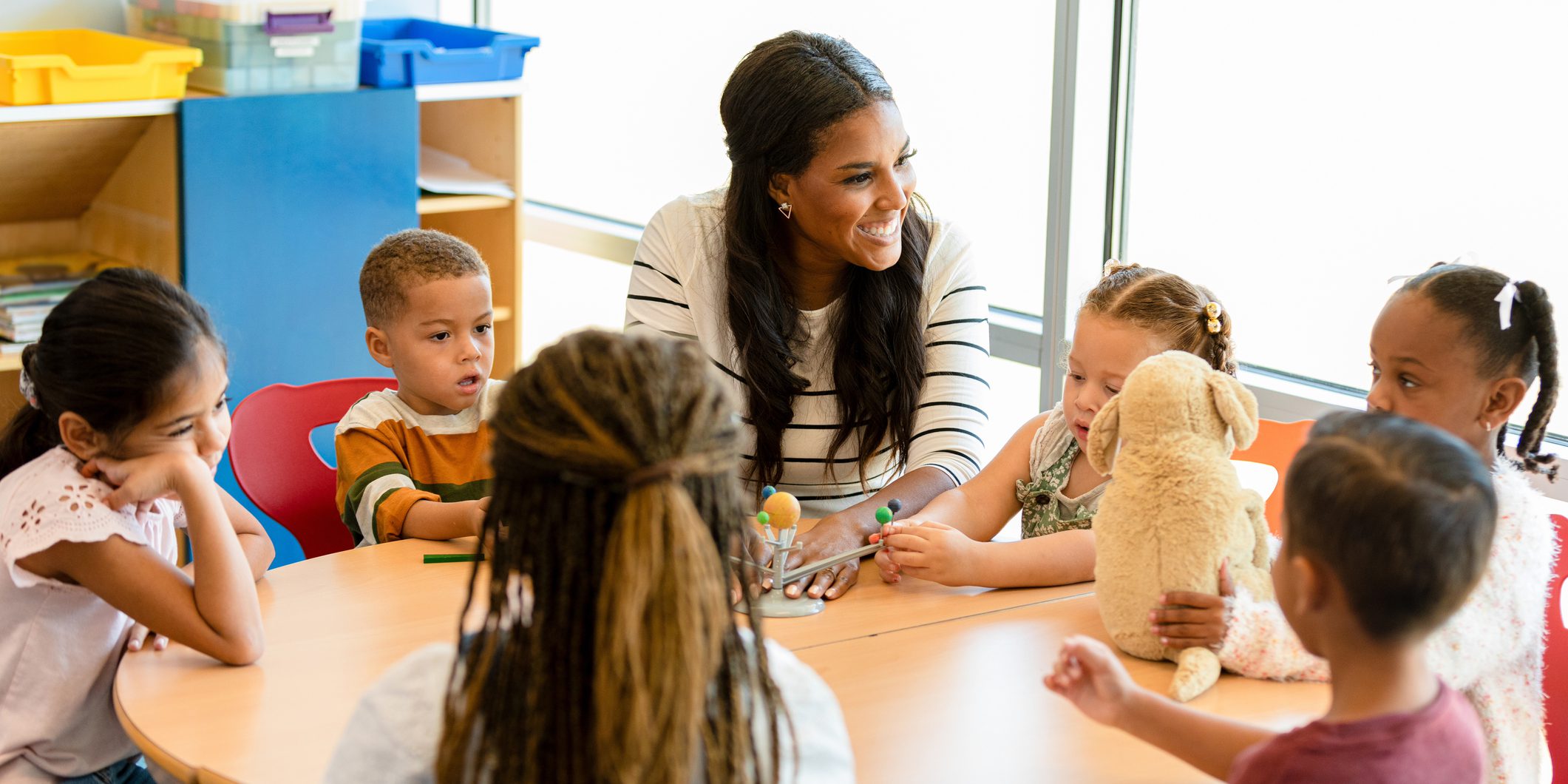
Toddlers practice taking turns in conversation with a teacher during a meal or snack. Caregivers can label what children are eating and use rich vocabulary to describe the food to build children’s language.

This publication from PennState Extension explains how mealtime–breakfast, lunch, snack, or dinner–can support children’s early language and literacy development. This resource gives a list of “conversation starter” questions and food recipes with instructions to support teachers in having meaningful conversations at the table.
This publication from WGBH Educational Foundation gives suggestions on how to use songs to label concepts and to narrate the actions children may take. Using songs to label actions and concepts build children’s vocabulary so they are more likely to use those same words when communicating with others.
This publication from WGBH Educational Foundation provides a list of songs teachers can sing to narrate the actions infants may take. Using songs to label actions build children’s vocabulary so they are more likely to use those same words when communicating with others.
Compare (Infant)
The infant teachers are using descriptive language when labeling how the scarves are moving up and down. Labeling an object, activity, or action contributes to building young children’s vocabulary and they will be more likely to use those same words when communicating with others.
Compare (Toddler)
The teacher is using descriptive language when labeling where the toddler is compared to the tunnel being used. Labeling an object, activity, or action contributes to building young children’s vocabulary and they will be more likely to use those same words when communicating with others.
In this activity, the caregiver will engage an infant in a “conversation.” During the interaction, the teacher can use a variety of labels, descriptors, and questions to expand vocabulary and build understanding. For example, the teacher might narrate a diaper change by saying, “Time to change your diaper… We need to take off your pants… Let’s see how your diaper is… Let’s wipe you nice and clean.”
Describe (Infant)
The teachers are labeling objects in the book and within the outdoor learning environment. Labeling an object, activity, or action contributes to building young children’s vocabulary and they will be more likely to use those same words when communicating with others.
Describe (Toddler)
During an art activity, the teacher uses descriptive language to label how the paint feels. Labeling an object or action contributes to building young children’s vocabulary and they will be more likely to use those same words when communicating with others.
Label (Infant)
In this video, the teacher uses descriptive language while the infant is playing with the toy keys. Labeling an object or action contributes to building young children’s vocabulary and they will be more likely to use those same words when communicating with others.
Label (Toddler)
In this video, the teacher sings a song to describe the actions she and the children are taking while manipulating the play dough. Describing actions or objects contributes to building young children’s vocabulary and they will be more likely to use those same words when communicating with others.
This guide illustrates 10 practices teachers can use to support the development of language and communication skills in infants and toddlers. One of the strategies mentioned is labeling an object, activity, or action. Using descriptive and rich language builds young children’s vocabulary and they will be more likely to use those same words when communicating with others.
Narrate (Infant)
In this video, the teacher uses rich language when describing the outdoor learning environment and the actions she and the infant were taking. Describing an object, activity, or action contributes to building young children’s vocabulary and they will be more likely to use those same words when communicating with others.
Narrate (Toddler)
The teacher uses language and a song to describe the actions the children are taking to complete the art activity. Describing an object, activity, or action contributes to building young children’s vocabulary and they will be more likely to use those same words when communicating with others.
Oral Language Use – Compare (Exemplar 1)
The teacher uses descriptive language to help the child to identify the right animal (the zebra). Describing an object contributes to building children’s vocabulary and they will be more likely to use those same words when communicating with others.
Oral Language Use – Compare (Exemplar 4)
In the beginning of this video exemplar, the teacher names the parts of the shovel while pointing to them. Labeling an object contributes to building children’s vocabulary and they will be more likely to use those same words when communicating with others.
Oral Language Use – Describe (Exemplar 1)
In this video exemplar, the teacher uses descriptive language to help the child to identify the right animal, the lion. Labeling an object contributes to building children’s vocabulary and they will be more likely to use those same words when communicating with others.
Oral Language Use – Describe (Exemplar 2)
In this video exemplar, the teacher prompts the children to use their five senses to describe the starfish. When describing the smell, the teacher shared that the starfish smelt like rubber. Labeling an object using descriptive language builds children’s vocabulary and they will be more likely to use those same words when communicating with others.
Oral Language Use – Name/Label (Exemplar 2)
In this video exemplar, the teacher names or allows children to name the items once pulled out of the bucket. After the children could not name it, the teacher identified the animal as a stingray. Labeling an object using descriptive language builds children’s vocabulary and they will be more likely to use those same words when communicating with others.
Oral Language Use – Name/Label (Exemplar 5)
In this video exemplar, the teacher names and allows the children to name the objects on the table. Labeling an object builds children’s vocabulary and they will be more likely to use those same words when communicating with others.
Oral Language Use – Name/Label (Exemplar 6)
In this video exemplar, the teacher uses descriptive language while in the dramatic play center. Labeling an object builds children’s vocabulary and they will be more likely to use those same words when communicating with others.
In this activity, children test out which surface makes a toy car go the fastest. While children investigate, teachers can visit each station to describe the surfaces (e.g., smooth, bumpy), narrate what children are doing, and ask them questions about their observations.
Infants and toddlers will explore several different textures in this activity. As children feel each of the objects, the caregiver should use rich, descriptive language to build understanding. In the video included in this activity, the teacher uses many labels and descriptors such as “white, soft fur” and “rough like the cat’s tongue.”
Ask Questions (Infant)
In this video exemplar, the teachers asks the infant questions about the objects in the book and the outdoor learning environment. labeling objects in the book and within the outdoor learning environment. Teachers can initiate conversations with young children by asking a variety of questions during activities and routines.
Ask Questions (Toddler)
In this video, the teacher asks questions to offer the child a choice on how to throw the ball. Teachers can initiate conversations with young children during play, routines, and structured activities by asking a variety of questions.
In this activity, the caregiver will engage an infant in a “conversation.” Caregivers can actively encourage babies to “talk” by asking questions, having conversations, and responding to vocalizations across a variety of activities, routines, and contexts.
Invite Verbal and Nonverbal Participation
During this whole group activity, the teacher asks the children questions and prompts them to moveparts of their body. Teachers can initiate conversations with young children by asking questions during whole group activities.
In this activity, children identify and draw items they find on a nature walk. As the teacher visits each group of children, they can encourage children to communicate by asking them about the items they find or the details in their drawings. The teacher can also answer children’s questions.
This publication gives teachers ways, such as asking open-ended questions, to promote children’s oral language development throughout the day. Teachers can initiate conversations with children by asking a variety of questions during activities and routines.
Oral Language Use – Act Out Words (Exemplar 1)
While reading a book, the teacher pauses to ask the children to show her how they slumber. Teachers can initiate conversations with young children by asking questions during play, mealtimes, routines, and planned activities.
Oral Language Use – Act Out Words (Exemplar 2)
While reading a book, the teacher pauses to define what it means to slurp. She then asks the children to show her how they would slurp. Teachers can initiate conversations by asking questions and giving children prompts during play, mealtimes, routines, and planned activities.
Oral Language Use – Elicit Responses (Exemplar 2)
During the Star Student Interview, the teacher gives a few children the opportunity to ask a peer a question. Teachers can encourage children to communicate with teachers and peers by asking questions and providing instructions or prompts during planned activities.
Oral Language Use – Explain (Exemplar 1)
In this video exemplar, the teacher shows a picture of children building a sand castle on a beach. She then asks the children how they would build a sand castle. Teachers can initiate conversations with children by asking questions to encourage critical thinking during activities and daily routines.
Oral Language Use – Link (Exemplar 1)
In this video exemplar, the teacher asked the children a variety of closed-ended and open-ended questions while reading the story. Even during structured, or planned, activities, teachers can initiate conversations with children by asking questions.
Oral Language Use – Name/Label (Exemplar 4)
In this video exemplar, the teacher asked the children questions while reading the story. Even during structured, or planned, activities, teachers can initiate conversations with children by asking questions.
Oral Language Use – Name/Label (Exemplar 7)
In this video exemplar, the teacher asked the child questions to take dictation and to add writing to his artwork. By naming the animals, she assisted the child in connecting parts of his drawing to a book read earlier. Teachers can initiate conversations with children by asking questions during independent play, whole group activities, or small group activities.
Provides Opportunities to Talk
In this video exemplar, the teachers use a variety of questions to communicate with children during the day. Teachers can initiate conversations with children by asking open-ended and closed-ended questions across various activities, routines, and contexts.
In this activity, toddlers practice taking turns in conversation with a teacher during a meal or snack. While you sit with children, you can ask questions and respond to their comments to encourage them to use expanded language.
Mealtimes–breakfast, lunch, snack, or dinner–are an opportunity for teachers to communicate with children. This resource gives a list of “conversation starter” questions and recipes to support teachers in having meaningful conversations during meals.
Allows Time to Respond
In this video exemplar, the teachers pause to give the children an opportunity to respond. Some children may need more time while others may need less, so it is important for teachers to listen attentively and wait patiently while children attempt to verbally respond to questions.
Examples and Non-Examples
Giving children time to answer helps elicit responses. The teacher in this video gives children time to think and respond before continuing. She varies her pace based on individual children’s needs, and she takes time to guide them instead of providing an answer when they choose the wrong category.
Find a Picture
The teacher in this video asks a variety of questions about zoo animals. She invites children to respond verbally or nonverbally and waits for them to reply before she continues. She also rephrases and extends their responses to model more complex language.
This publication gives teachers ways, such as allowing children to communicate and respond to questions, to promote children’s oral language development throughout the day. Some children may need more time while others may need less, so it is important for teachers to listen attentively and wait patiently while children attempt to verbally respond to questions.
Oral Language Use – Examples and Non-Examples (Exemplar 2)
In this video exemplar, the teacher asked the children a variety of closed-ended and open-ended questions about which animals they may find on a farm. When the teacher asked the children questions, she provided them ample time to respond. Teachers can initiate conversations with children by asking questions during activities and daily routines.
Oral Language Use – Link (Exemplar 2)
In this video exemplar, the teacher asked the children a variety of questions about the fish and a movie. When the teacher asked the children questions, she provided them ample time to respond. Some children may need more time while others may need less, so it is important for teachers to listen attentively and wait patiently while children attempt to verbally respond to questions.
Use Appropriate Pacing (Infant)
In this video exemplar, the teacher practices turn-taking and maintains an appropriate pace while communicating with the infant. Some children may need more time while others may need less, so it is important for teachers to listen attentively and wait patiently while children attempt to verbally respond to questions.
Use Appropriate Pacing (Toddler)
In this video exemplar, the teacher maintains an appropriate pace while reading a book and she pauses to give the child an opportunity to respond to questions. Some children may need more time while others may need less, so it is important for teachers to listen attentively and wait patiently while children attempt to verbally respond to questions.
This publication provides teachers with a few ideas to build toddlers’ conversation skills, such as noticing children’s signals and asking them questions. Teachers can have meaningful and back-and-forth conversations with children by asking open-ended questions and then allowing children time to respond.
Drawing as a Conversation Starter
Notice how this child’s drawing provided a rich opportunity for the teacher to engage the child in a back-and-forth conversation. The teacher kept the conversation going by asking lots of questions and using a warm tone and demeanor to signal her interest in the child’s trip.
Engages Children in Conversations
In this video exemplar, the teachers initiate a conversation based on a child’s interest and then they pause for the child to have a chance to respond. Teachers can engage in one-on-one conversations by asking questions about a child’s interest and allowing the child the opportunity to respond as their turn.
This guide illustrates 10 practices teachers can use to promote turn-taking and back-and-forth vocalizations in conversations. One of the strategies mentioned is responding to young children’s verbal and nonverbal communication with words. Teachers can initiate one-on-one conversations and can encourage back-and-forth vocalizations by asking multiple questions about a child’s interests.
In this activity, toddlers will identify people and activities in a personal photo book. Teachers can engage individual children in conversations about the photos by responding to the child’s interests or by asking open-ended questions about the pictures. At least one person in the conversation should get three turns to talk.
Oral Language Use – Higher-Level Questions (Exemplar 1)
When the teacher stopped reading to describe what it means to slurp, she initiated a conversation with the children by asking them which liquids could they slurp. Teachers can engage in conversations by asking open-ended questions and allowing children to respond before asking a follow-up question or moving on to another topic.
Oral Language Use – Higher-Level Questions (Exemplar 2)
In this video exemplar, the teacher initiates a conversation with the children by asking them what animals they may see on a farm. Teachers can engage in back-and-forth conversations by asking children open-ended questions and them allowing then to respond before asking a follow-up question or moving on to another topic.
Oral Language Use – Higher-Level Questions (Exemplar 3)
In this video exemplar, the teacher shows a picture of children building a sand castle on a beach. She then asks the children how they would build a sand castle and how they would use a shovel. Teachers can engage in back-and-forth conversations by asking open-ended questions and then allowing them to respond before asking a follow-up question or moving on to another topic.
Oral Language Use – Higher-Level Questions (Exemplar 4)
While reading the book, the teacher asks the children several open-ended questions about the bear in the story. Teachers can engage in back-and-forth conversations by asking a variety of questions and then allowing children time to respond before asking a follow-up question or moving on to another topic.
Oral Language Use – Higher-Level Questions (Exemplar 5)
While playing in the dramatic play center, the teacher asks the children questions about tea and popcorn. Teachers can engage in back-and-forth conversations by asking open-ended questions and then allowing children time to respond before asking a follow-up question or moving on to another topic.
Oral Language Use – Knowledge-Level Questions (Exemplar 1)
While reading the book, the teacher asks the children questions about the badger in the story. Teachers can engage in back-and-forth conversations by asking a variety of questions and then allowing children time to respond before asking a follow-up question or moving on to another topic.
Oral Language Use – Knowledge-Level Questions (Exemplar 2)
While reading the book, the teachers asks the children questions about the bear in the story. Teachers can engage in back-and-forth conversations by asking a variety of questions and then allowing children time to respond before asking a follow-up question or moving on to another topic.
Oral Language Use – Knowledge-Level Questions (Exemplar 3)
In this video exemplar, the teacher asks the children what items they may need for school. Teachers can engage in back-and-forth conversations by asking a variety of questions and then allowing children time to respond before asking a follow-up question or moving on to another topic.
Oral Language Use – Multiple-Turn Conversations (Exemplar)
In this video exemplar, the teacher responds to a child’s statement about fish being in the water. She then follows up by asking them if they can see fish in the picture. Teachers can engage in back-and-forth conversations by continually asking questions and then allowing children time to respond.
This publication includes tips, such as asking a variety of questions, for teachers to enrich the environment with language for infants and toddlers. Teachers can engage in meaningful conversations with young children by asking open-ended questions and then allowing children time to respond.
This publication includes tips, such as asking questions related to children’s experiences and interests, for teachers to enrich the environment with language for preschool children. Teachers can engage in meaningful conversations with young children by asking open-ended questions and then allowing children time to respond.
Teachers will encourage individual children to pretend to have a conversation on the phone in this activity. Caregivers can reply to a baby’s babbles, and then pause to encourage the baby to continue “talking.” Practitioners can initiate and model conversations with toddlers by asking open-ended questions and waiting for a response. At least one person in the conversation should get three turns to talk.
This publication from PennState Extension provides some examples of thoughtful questions and phrases teachers can use to engage children in conversations. Teachers can have meaningful and rich conversations with children by asking a variety of questions and prompts and then allowing children time to respond.
Demonstrate and Explain How Things Work (Infant)
While the infants played with the toy cars, the teacher repeatedly used words and actions to demonstrate how the car moves. Teachers can deepen or expand on infants’ play by providing more specific information or building on their background knowledge.
Expanding Understanding
Watch how this teacher responds to an infant’s nonverbal communication to expand the child’s understanding of what a jar is called and how to open it. With infants who aren’t speaking yet, look for these nonverbal signs that tell you they are interested in how something works.
Expands on Children’s Understanding
In this video exemplar, the teachers expand on the children’s interest by adding words and specific information. Teachers can deepen or expand on children’s initiation by providing more specific information or building on a child’s background knowledge.
Explain (Toddler)
When the child showed the teacher the magnifying glass, she expanded on the child’s initation by asking questions about the object and giving a description of what it was and how to use it. Teachers can expand on children’s initiation by asking questions and elaborating on what the child shows interest in.
Extends Language (Toddler)
In this video exemplar, the teacher noticed a child’s verbal attempt to communicate and then extended the toddler’s language. Teachers can deepen or expand on children’s initiation by providing more specific information or building on a child’s background knowledge.
Extends or Models Language
In this video exemplar, the teachers restate and then extend the children’s attempts to communicate. Teachers can deepen or expand on children’s initiation by providing more specific information or building on a child’s background knowledge.
Modeling Language
In this video, the child hasn’t started talking yet. Watch how the teacher models language and communicates out loud what she thinks the child is communicating through facial expressions and gestures.
Modeling Language at Mealtime
Watch how this teacher repeatedly puts words to a toddler’s attempts at communication. Mealtime is an excellent opportunity to practice “functional” language, or language that is needed for a specific purpose, like “I would like more fruit.”
Modeling Language in Conversations with Children
In this clip, a child initiates a conversation about grasshoppers. Watch how the teacher models back his language in clearer sentences and keeps the conversation going.
This document contains many examples of how to model correct speech and/or language. Modeling and recasting help children learn the rules of how speech and language work.