
Tools & Trainings

Head Start’s Early Childhood Learning & Knowledge Center (ECLKC) offers strategies practitioners can create a relationship-based culture supporting family engagement. Practitioners will further build their knowledge in making successful, collaborative program staff and family partnerships.
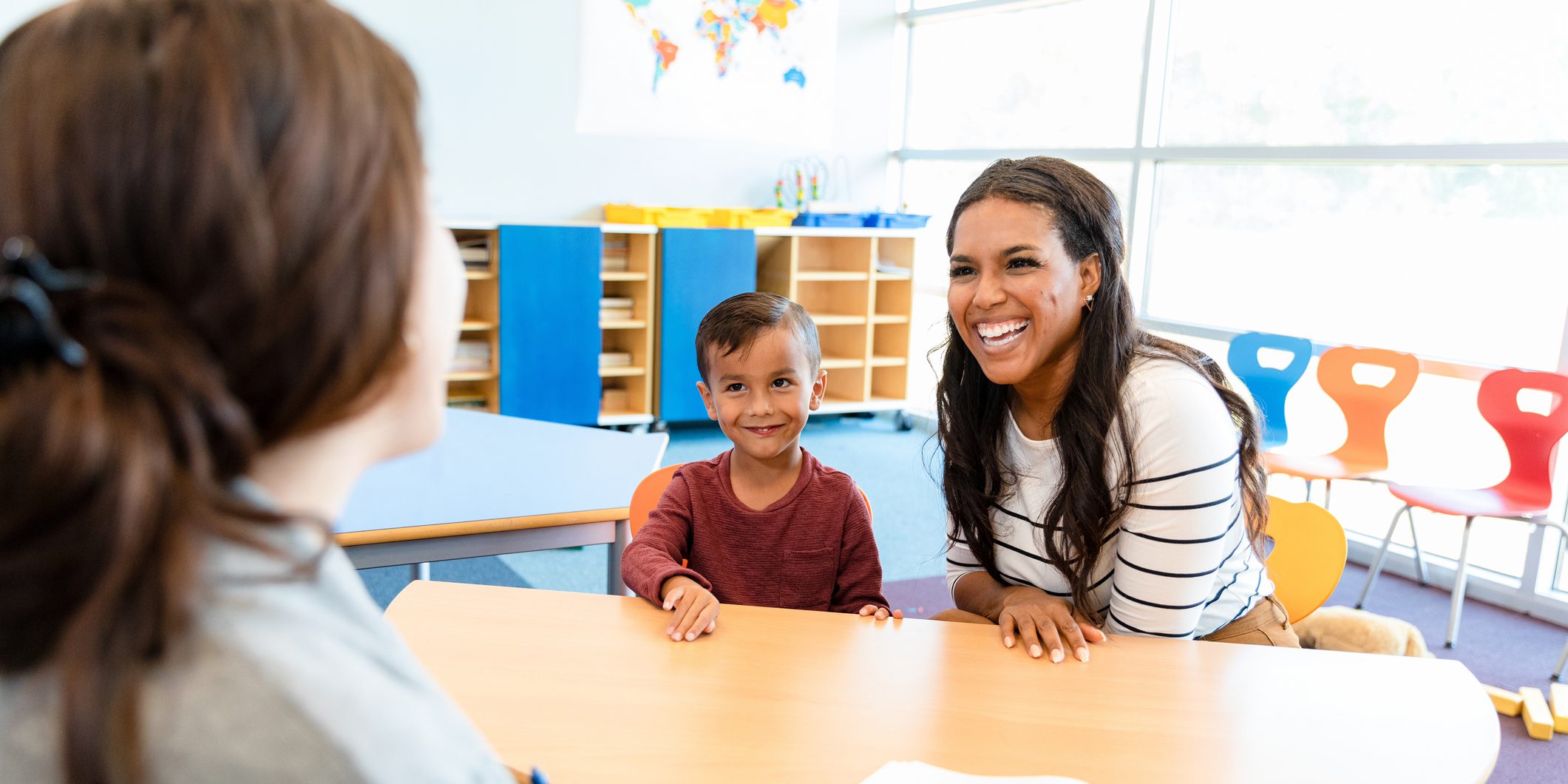
This online course from Texas A&M AgriLife offers specific strategies for building trusting relationships and creating collaborative partnerships with families to build a solid educational foundation for children. ($30) (4 hours)

In this series of online trainings, participants learn about research-driven ways to partner with families in supporting children’s development. Family education and involvement are critical components in the establishment of successful home-school relationships, and this professional development series will help programs build a strong partnership between home and school.

Make the most of procedures you already have in place—like progress monitoring, homework, parent-teacher conferences, and open houses—with CLI’s Family Engagement Toolkit. Download guides and tools, discover resources to share with families, and access free professional development to foster a strong relationship between school and home!

Head Start’s Early Childhood Learning & Knowledge Center (ECLKC) gives suggestions on how to gather and share information with families to support children’s learning and development. Practitioners will further build their knowledge and skillset to have ongoing conversations with parents regarding the child’s experience, progress, and development.

Practitioners can work alongside families to support children’s ongoing development through everyday interactions and experiences. Through this course, practitioners will further build their knowledge and skillset to have ongoing conversations with parents to assist them in better understanding child growth and development, especially regarding their child’s experience and progress at the program.
RESOURCES
Select an assessment measure to explore examples, activities, and tools that support quality improvement for that measure.

These examples of family communication logs reflect children’s experiences throughout the day.

This website contains several breastfeeding resources that a program can share with families. In addition to including written policies in the family handbook and providing a designated breastfeeding area, program leaders can provide this resource in the parent resource library or electronically to support the breastfeeding parent and the overall health and safety of children.
The Special Supplemental Nutrition Program for Women, Infants and Children (WIC) provides support and inspiration to families to have healthy eating habits, have a healthy pregnancy, and raise children. Offering these resources in the program’s resource library or virtually to families supports whole child development and the overall health and safety of the child.

Here is a template of an annual feedback survey for families to complete. Program leaders can use a similar survey—hard copy or electronic—to provide families with the opportunity to provide structured feedback on the program, staffing, and classrooms. Download will start automatically.

The Family Engagement Survey Tool provides administrators with a structured, accessible way to gather insights directly from families about their experiences and perceptions across key areas of engagement.

Program staff can use this conference record form to document their conversations with families, as well as use the completed form as evidence showing the ongoing communication with families about children’s progress and development. By having completed forms, the program has proof that staff and families are working together to make decisions regarding the child’s experience.

This workshop series engages families in hands-on learning experiences with a focus on social and emotional learning, character development, and executive function skills. The program includes full activity plans and links to related media. Program staff can provide access to these workshops and resources to assist them in better understanding child growth and development.
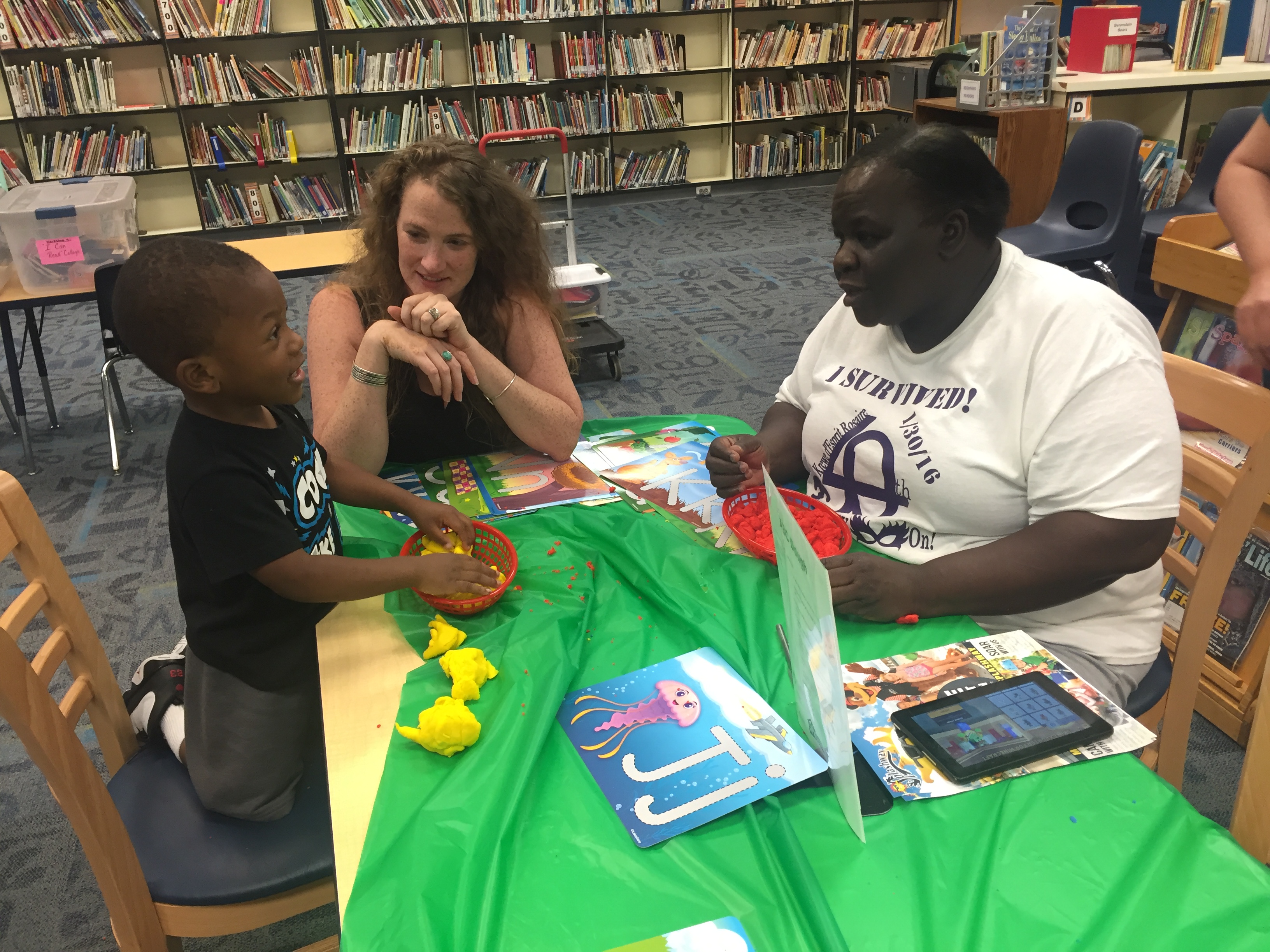
Providing families with various opportunities to actively participate in the early learning program sets the foundation for strong family involvement. This document contains some ideas of how to involve families in program activities.

This sample flyer tells families everything they need to know about an upcoming family workshop that focuses on building preschoolers’ literacy skills.
This checklist helps teachers track key tasks for family event planning. There is also room to record specific activities and materials needed for the event.
The following invitation is an example of a flyer program leaders can share with enrolled families to encourage attendance and participation in program-related events. In addition to event flyers, programs are encouraged to also take photographs and to keep record of sign-in sheets from events as evidence.
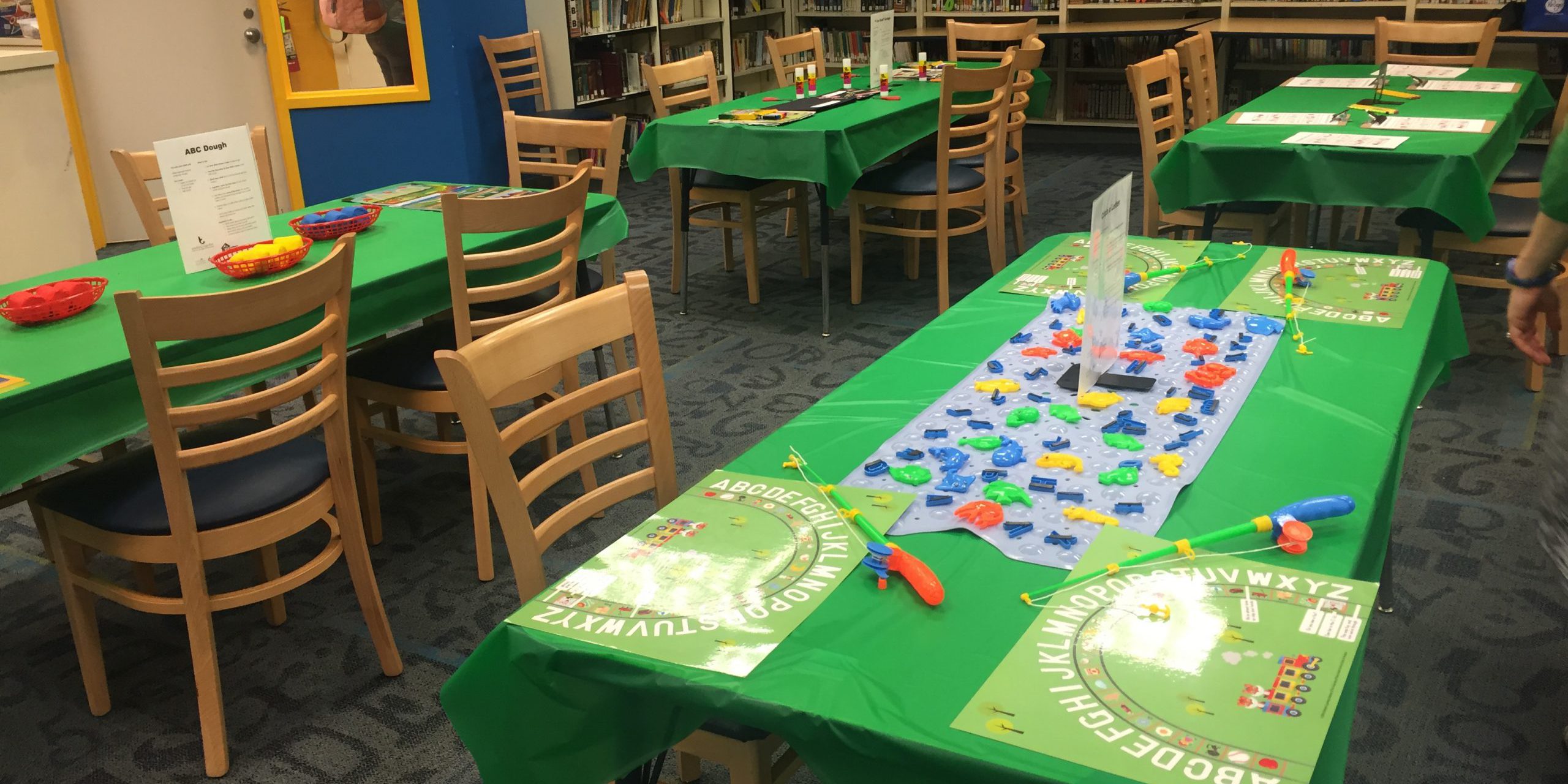
Hosting planned, playful, and purposeful family events are an excellent way to prepare parents to be successful home educators and engage as partners in their child’s educational support team. Choose a workshop from Teaching Together (pre-K) or Supporting Sprouts (infant/toddler) to get started!