
Tools & Trainings

In this series of online trainings, participants learn about research-driven ways to partner with families in supporting children’s development. Family education and involvement are critical components in the establishment of successful home-school relationships, and this professional development series will help programs build a strong partnership between home and school.

Make the most of procedures you already have in place—like progress monitoring, homework, parent-teacher conferences, and open houses—with CLI’s Family Engagement Toolkit. Download guides and tools, discover resources to share with families, and access free professional development to foster a strong relationship between school and home!

Head Start’s Early Childhood Learning & Knowledge Center (ECLKC) gives suggestions on how to gather and share information with families to support children’s learning and development. Practitioners will further build their knowledge and skillset to have ongoing conversations with parents regarding the child’s experience, progress, and development.

Practitioners will discover ways to engage families when they have concerns that a child is at risk for a disability or developmental delay. With proper documentation, staff and families can work together to make decisions regarding the child’s experience and discuss the supports available for children with differing abilities.
RESOURCES
Select an assessment measure to explore examples, activities, and tools that support quality improvement for that measure.

This is an example of an early learning program’s written policy and process for addressing challenging behaviors of children. The exemplar includes evidence of the families being informed of their child’s progress, as well as the ongoing conversations between staff and the family framed around school readiness and the objective of the program.
The Texas Rising Star requirements related to Family Education and Involvement emphasize the importance of sharing policies and procedures of the early learning program with families. Upon enrollment, programs should provide written policies and procedures in a family handbook like this example.
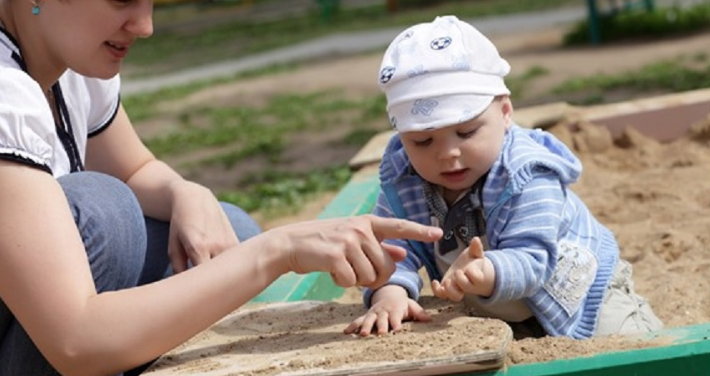
Early identification can significantly impact the life of a young child with a developmental delay or disorder. Act Early Texas! offers parents and early childhood professionals valuable information to pinpoint areas where a child’s development may differ from their peers, ensuring timely intervention.

CDC’s developmental milestone checklists are communication tools intended to encourage ongoing conversations between families and professionals. They also help promote early identification of and action on potential developmental concerns so that children and families can get the early services and support they may need.

This Early Childhood Intervention (ECI) checklist can help families identify and address developmental concerns before their child turns 3. Early support helps children develop communication, self-care, and social skills, laying a foundation for lifelong learning.

Upon enrollment, early learning programs should provide families with key documents and have a discussion regarding the child’s enrollment. This example form ensures that the facility has provided parents/families with specific outlined information, and a family member provides their signature as confirmation.
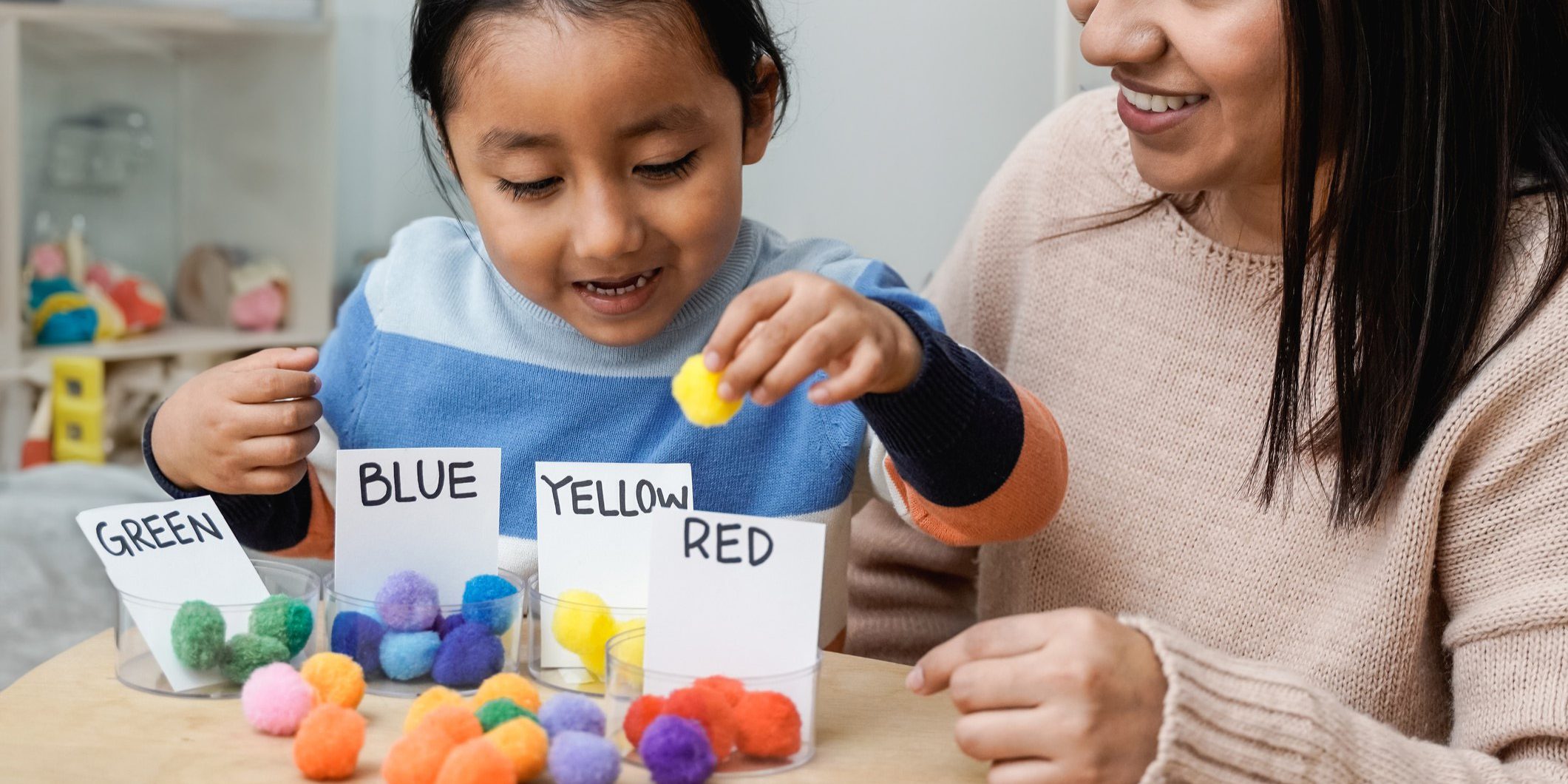
PBS Kids for Parents has a variety of crafts, experiments, and learning activities for families to do at home with their children. Families can filter this free activity collection by age, topics, and their child’s favorite PBS television show.

CLI Engage Family is a one-stop shop for parents to support their child’s growth and development. On this new website from the Children’s Learning Institute, families can find engaging, hands-on activities and e-books that build important school-readiness skills, as well as helpful resources.

This article provides families with tips on using transitions at home to support children with differing abilities. Program leaders can provide this article as a resource electronically or in their program’s resource library to families of children with differing abilities to assist them in learning more about the growth and development of their child.

These brief learning modules are free for family members. They introduce common strategies to support children’s learning at home like reading books, plus common challenges families face, like encouraging children to cooperate. This link will take you to a list of PALS Spotlights, where you can select any topic. These modules may be useful to incorporate into a program’s family education plan.
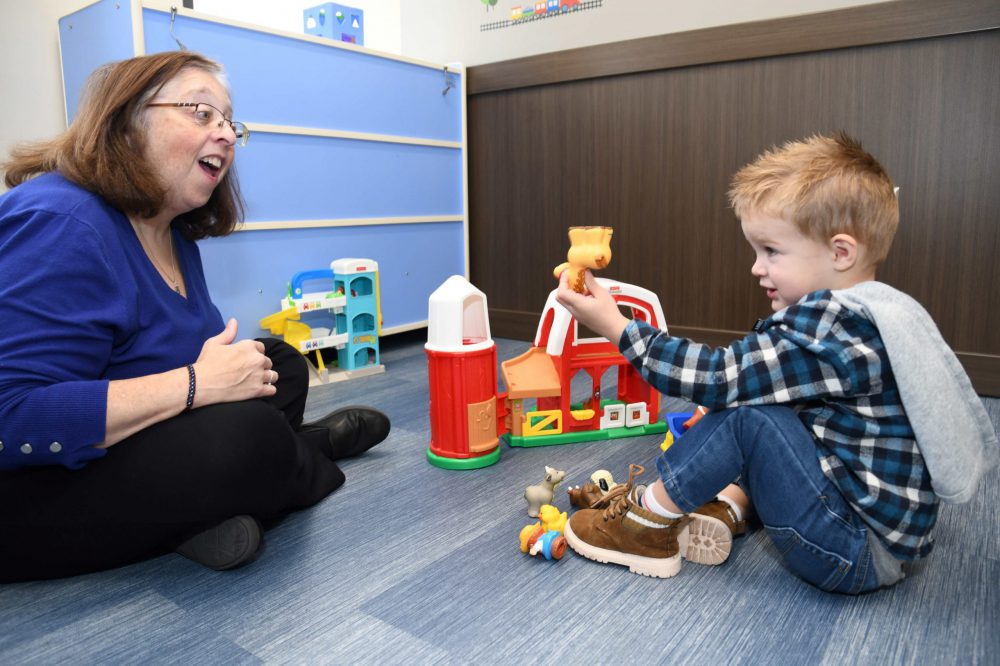
The Children’s Learning Institute provides this free collection of high-quality online resources related to common developmental concerns. Explore videos, articles, websites, activities, and community resources related to each topic. Information is available in English and Spanish.

This teacher toolkit is designed to help families better understand their child’s growth and development to address any developmental concerns they observe. These tools and resources, once completed, can be referenced during parent-teacher conferences as evidence of staff and families working together in making decisions regarding the child’s experience.

Practitioners will explore ways to partner with families to understand and respond to children’s behavior as communication. Practitioners will further build their knowledge and skillset to have ongoing conversations with parents to regarding their child’s experience and progress at the program.

There are many tools available to help practitioners and families learn about children’s growth and development. The resources on this page provide information about developmental milestones, developmental screening tools, and Early Childhood Intervention services for children with developmental delays or disabilities.