
Tools & Trainings

Program staff can use this online module by the Vanderbilt IRIS Center to learn about how to accommodate children with visual disabilities in a physical learning environment by becoming familiar with common devices used, techniques on how to guide children, and tips for setting up the classroom.
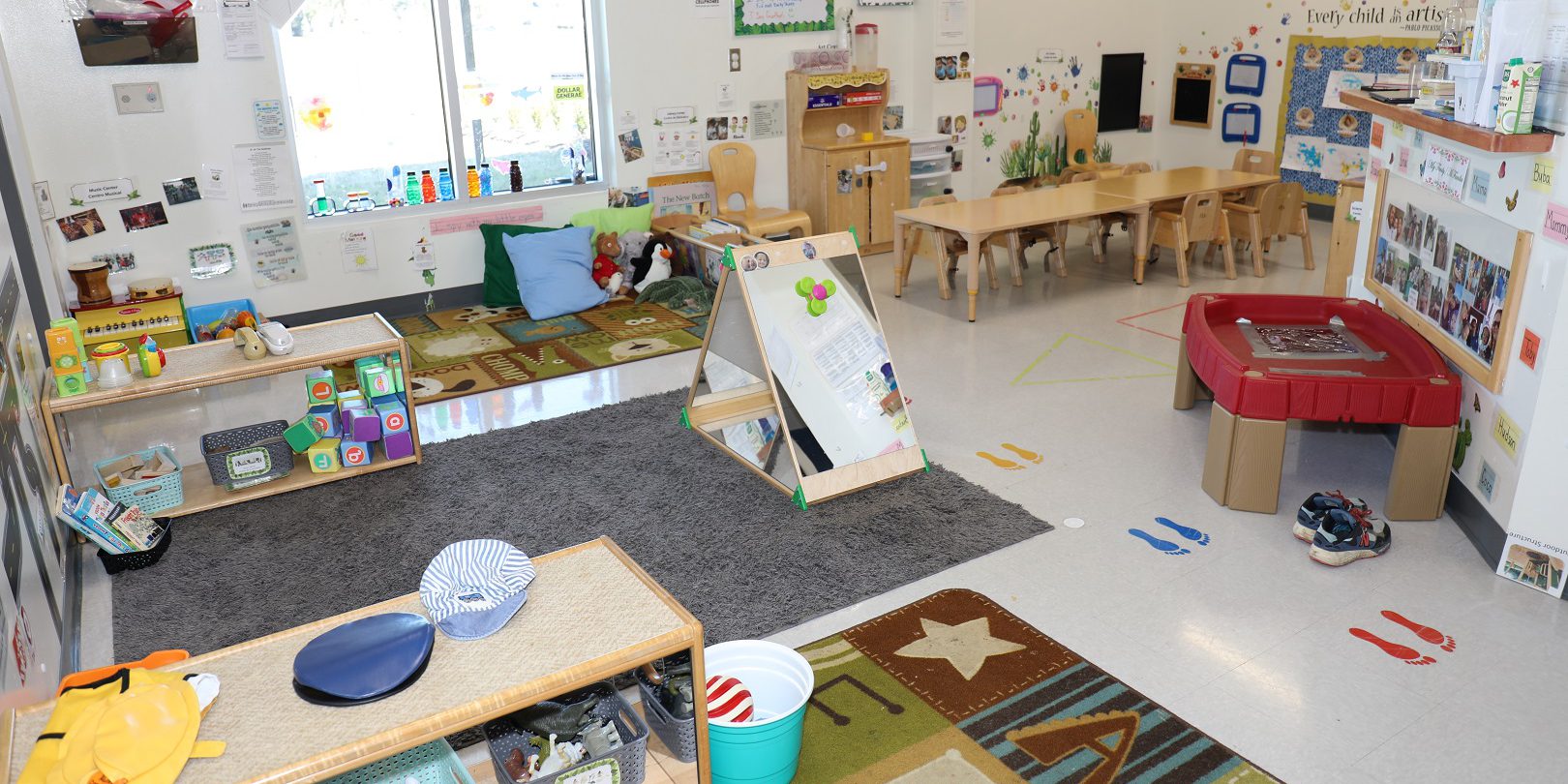
The Classroom Environment Checklist (CEC) is a tool that early childhood professionals can use to evaluate and improve their classroom environments. The tool can be used to set goals for classroom enhancements, track progress over time, and provide direction for coaching or technical assistance.

This online course reviews key objectives and examples of well-designed indoor early childhood environments. Practitioners will gain strategies on how to design and implement effective physical, social, and temporal environments for children.

This checklist can be used for self-assessment by a director or classroom teacher as well as the mentor to determine what elements may be needed to provide a high-quality learning environment. Some items may not be required for Texas Rising Star but are indicators of high-quality learning environments.

This online course introduces how to design environments for infants and toddlers that promote responsive caregiving, exploration, and safety. It also includes support for selecting materials and setting up routines. The course includes reflection questions and application exercises that can be used to generate ideas for improvement.

This online course walks participants through the importance of designing preschool environments for learning, selecting quality materials, establishing routines, ensuring cultural relevance, and adapting environments to support children with special needs. It also connects to competency and observation tools to support improvement planning.
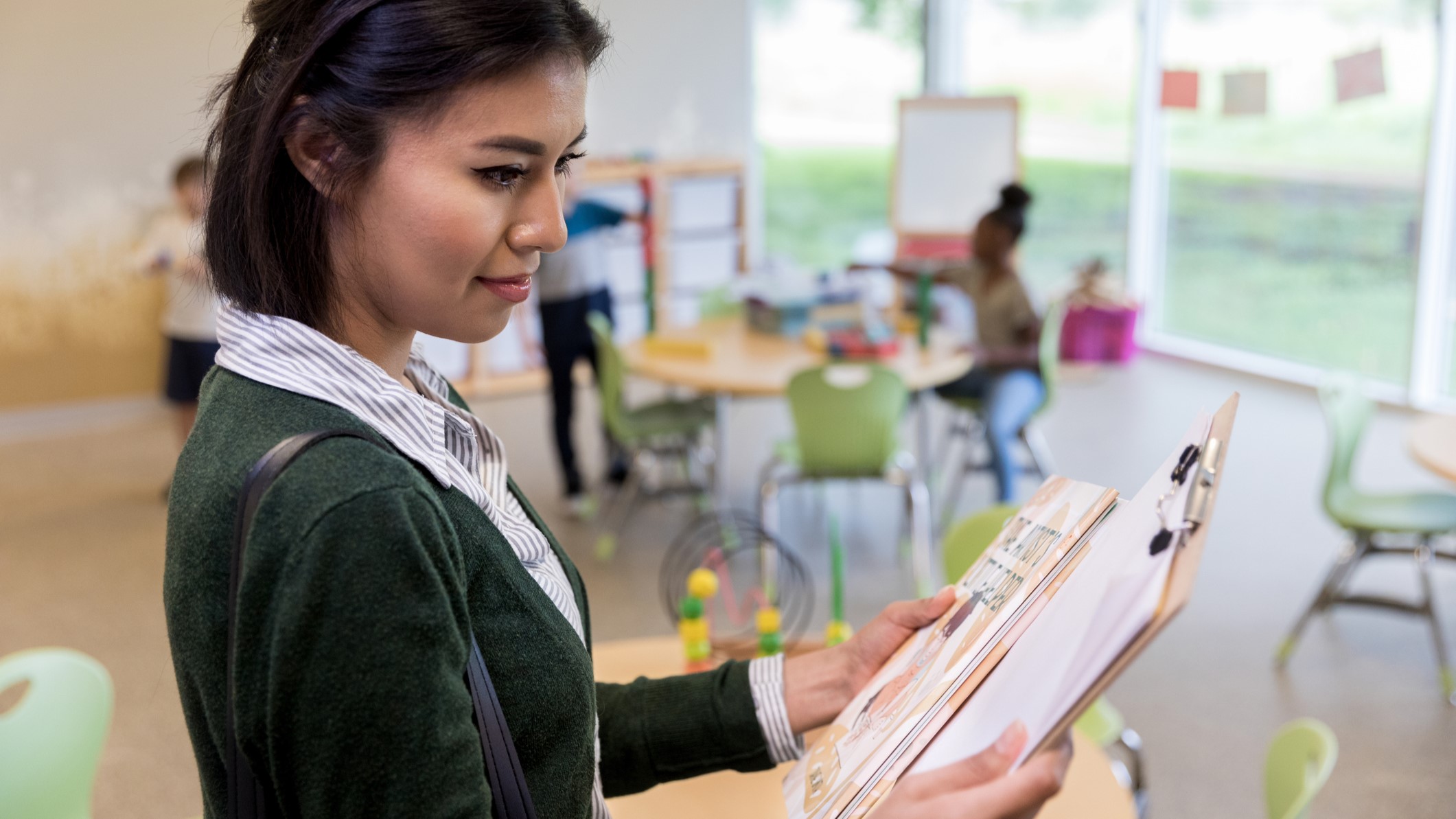
This planning form helps programs identify indoor and outdoor interest areas and the real objects provided in those areas. Use this form with teachers to reflect on what’s currently available and what improvements can be made.

This in-service suite explores guidelines on how to select classroom materials. The purpose of the presentation is to provide participants with an opportunity to select and then use materials so that all children have access to quality teaching and learning.
RESOURCES
Select an assessment measure to explore examples, activities, and tools that support quality improvement for that measure.
These photos show environments where materials are thoughtfully organized to encourage children’s independence and choice. The arrangement of these materials supports various interest areas, allowing children to engage in activities that appeal to them.

This tip sheet includes ideas for how to divide interest areas and the types of developmentally appropriate toys and materials to include in each one. This sheet also includes tips for keeping areas organized and refreshed with new materials.

Areas for gross motor play are important for infants to develop strong bodies and to practice new movements. This photo shows a classroom setup that includes soft mats that encourage crawling, sitting, and climbing.

This infant classroom has clear play areas with a variety of developmentally appropriate books, toys, and sensory materials. Notice that the materials are organized low to the ground to promote infants’ exploration.
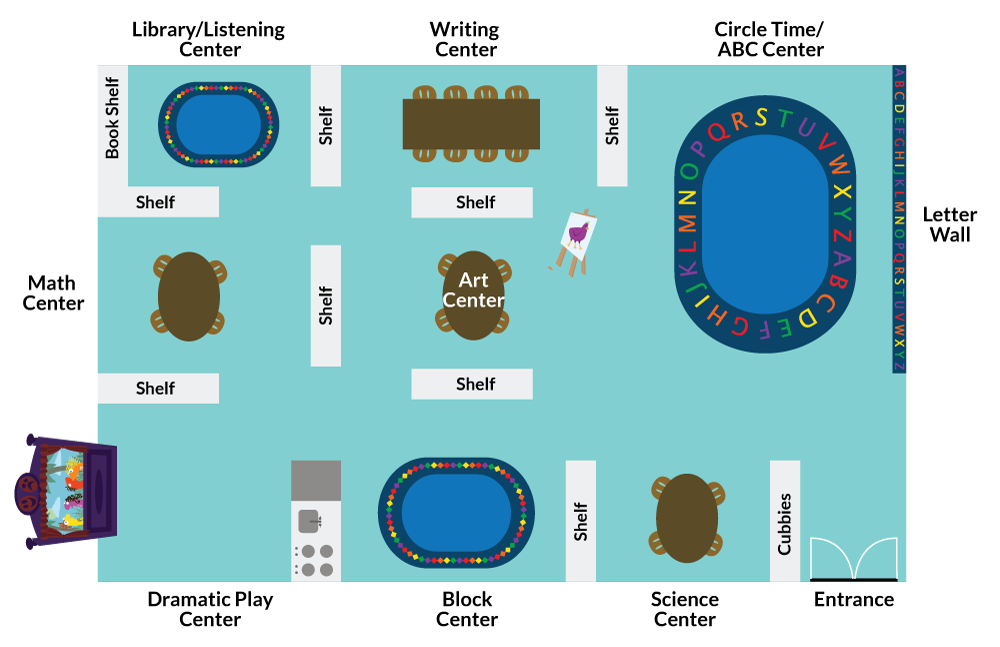
When setting up the classroom, it is important to think about the room arrangement as a whole. Consider using the outer edges and the middle of the room for center areas and integrate tables and chairs, as appropriate. This sample classroom arrangement can be used as a guide for setting up the physical environment.

Creating interest areas can also include a quiet space for toddlers to practice self-regulation. This example photo shows a space with pillows and stuffed animals for comfort and books and pictures to learn about feelings.

This toddler classroom has multiple interest areas for independent play. Look closely and see a music station, a cozy reading spot with pillows and books, a sensory table, a drawing area, and low shelves with building materials and other developmentally appropriate toys.
These example photos show equipment and materials that are thoughtfully chosen to represent diverse cultures, life roles, abilities, disabilities, and ethnicities. The arrangement of these materials supports a respectful atmosphere, promoting understanding and acceptance among children.

In this photo we see a collection of dolls that are inclusive of different ethnicities and abilities.

As shown in these photos, classrooms can provide books, pictures, and labels that represent diverse ethnicities, languages, and celebrations.

This photo shows a musical center with pictures of musicians and instruments from diverse backgrounds. The labels around the center are also provided in two languages.

These books feature realistic pictures of familiar people, places, and objects. Displaying these books at children’s eye level ensures they can engage with them.

This example of a simple daily schedule includes realistic photographs of children at each timepoint across the day. The photos and the placement of the schedule at children’s eye level help children know what to expect in the daily routine.

This photo shows a display of toddlers’ artwork along with photographs of the children engaging in the original art activity. Notice that the artwork is displayed at children’s eye level, grouped for each child, and includes labels for the different emotion words.

Displaying family photographs at eye level is a great way to help children feel connected to their classroom and promote language and conversation. Notice how this infant room has family photos taped to the floor, where they are more easily seen by infants who aren’t yet standing.
In this home-based example, the provider has displayed realistic pictures of people and animals and recent artwork at children’s eye level.
This photograph shows an infant classroom with children’s artwork and realistic photos displayed at children’s eye level.
This photo shows a preschool classroom that displays children’s artwork and pictures of realistic animals at children’s eye level. Notice how the artwork and the photos are organized in visual groupings.
This photo shows a school-age classroom with a variety of children’s artwork, posters, teacher-made displays, and realistic photos.
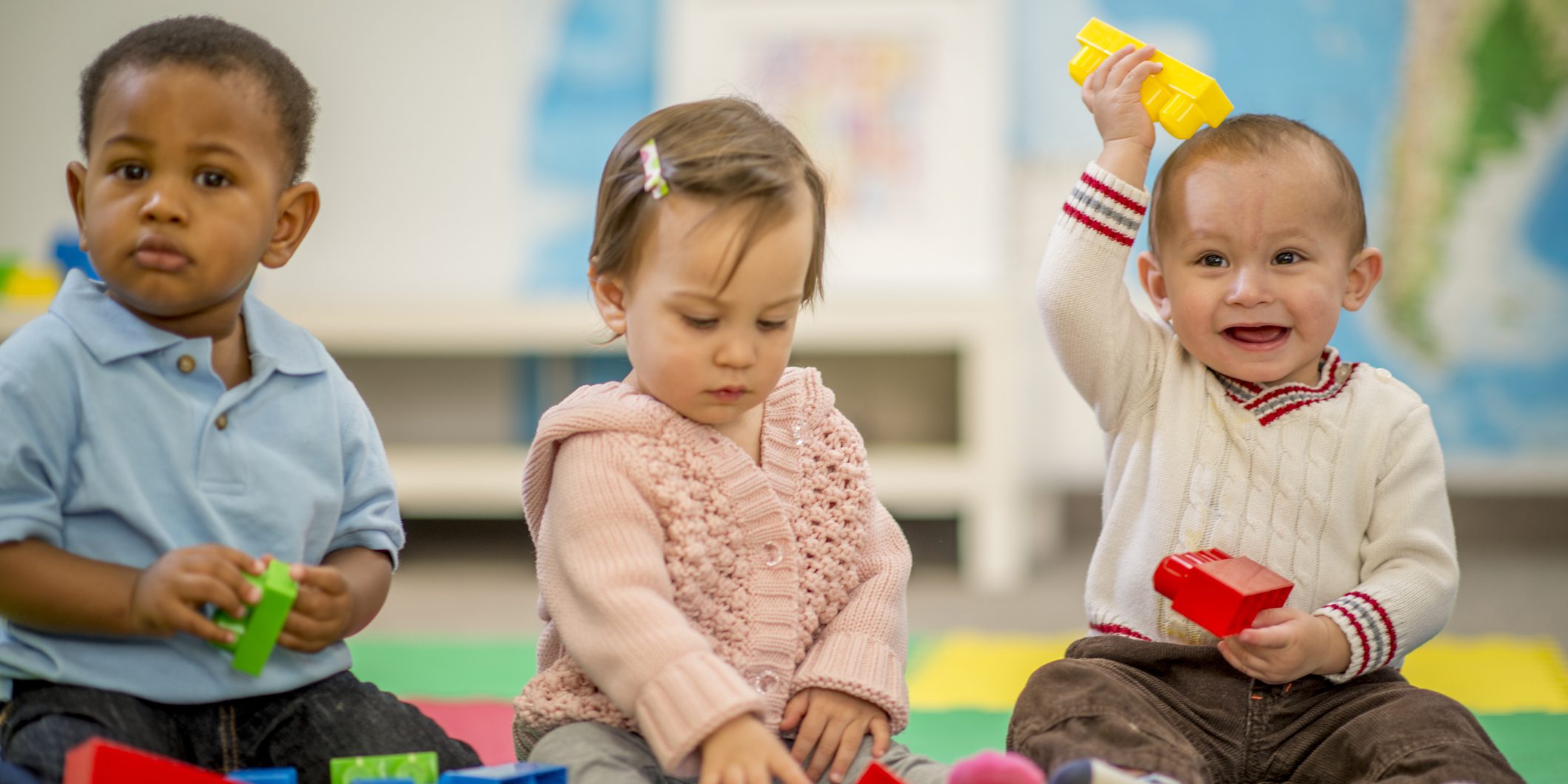
This photo shows toddler classrooms rich with displays of children’s artwork and realistic photos of familiar people and places, all posted a children’s eye level. These displays help children feel pride in their work, feel connected to their classroom, and promote language and conversation.
These books feature realistic pictures of familiar people, places, and objects. Displaying these books at children’s eye level ensures they can engage with them.
This example of a simple daily schedule includes realistic photographs of children at each timepoint across the day. The photos and the placement of the schedule at children’s eye level help children know what to expect in the daily routine.
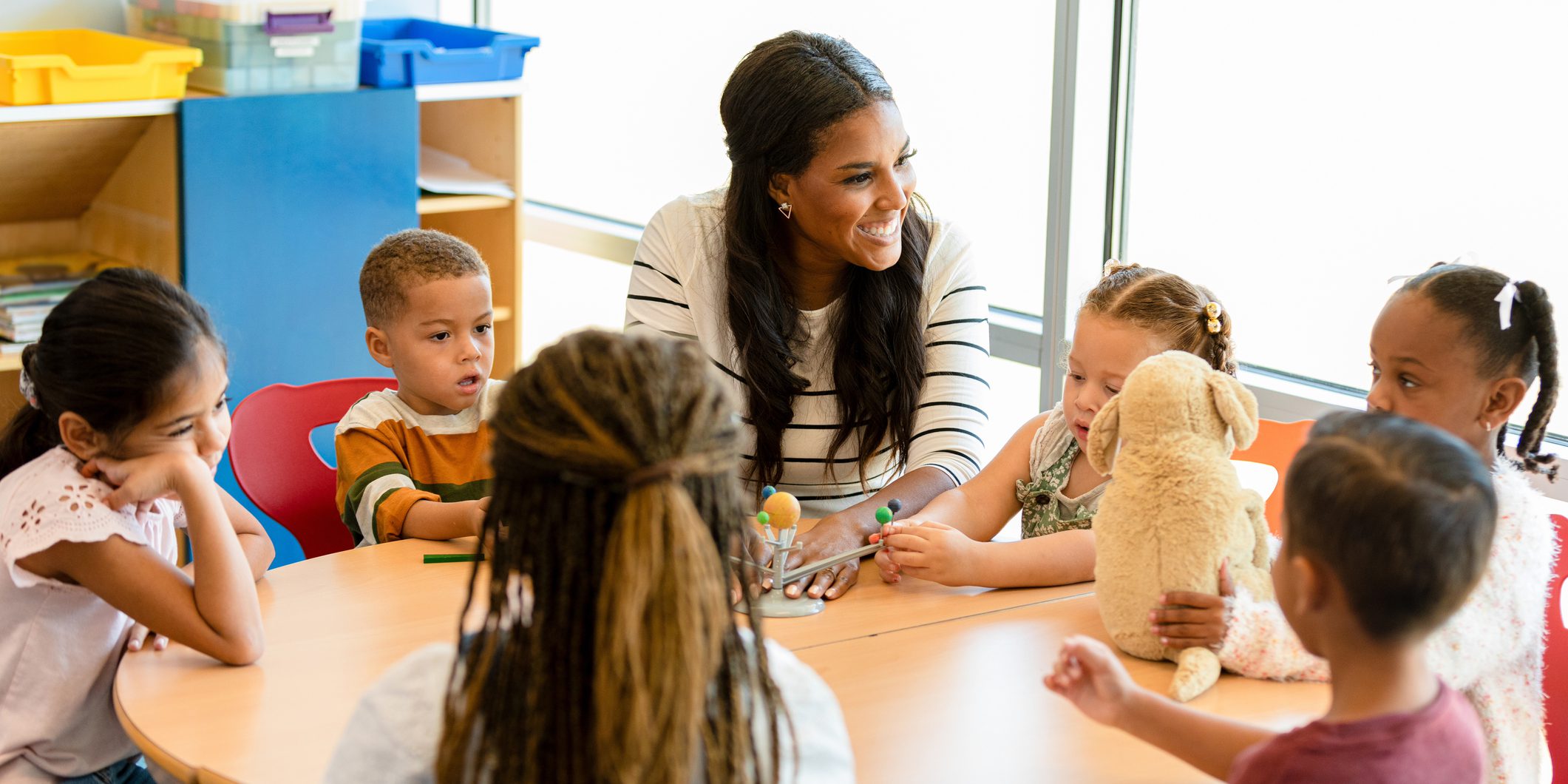
This photo shows a home-based setting with shelves and containers labeled with both words and pictures of the materials. The low positioning of the shelves helps children retrieve the materials independently, and the labels help children return each item to its appropriate place.
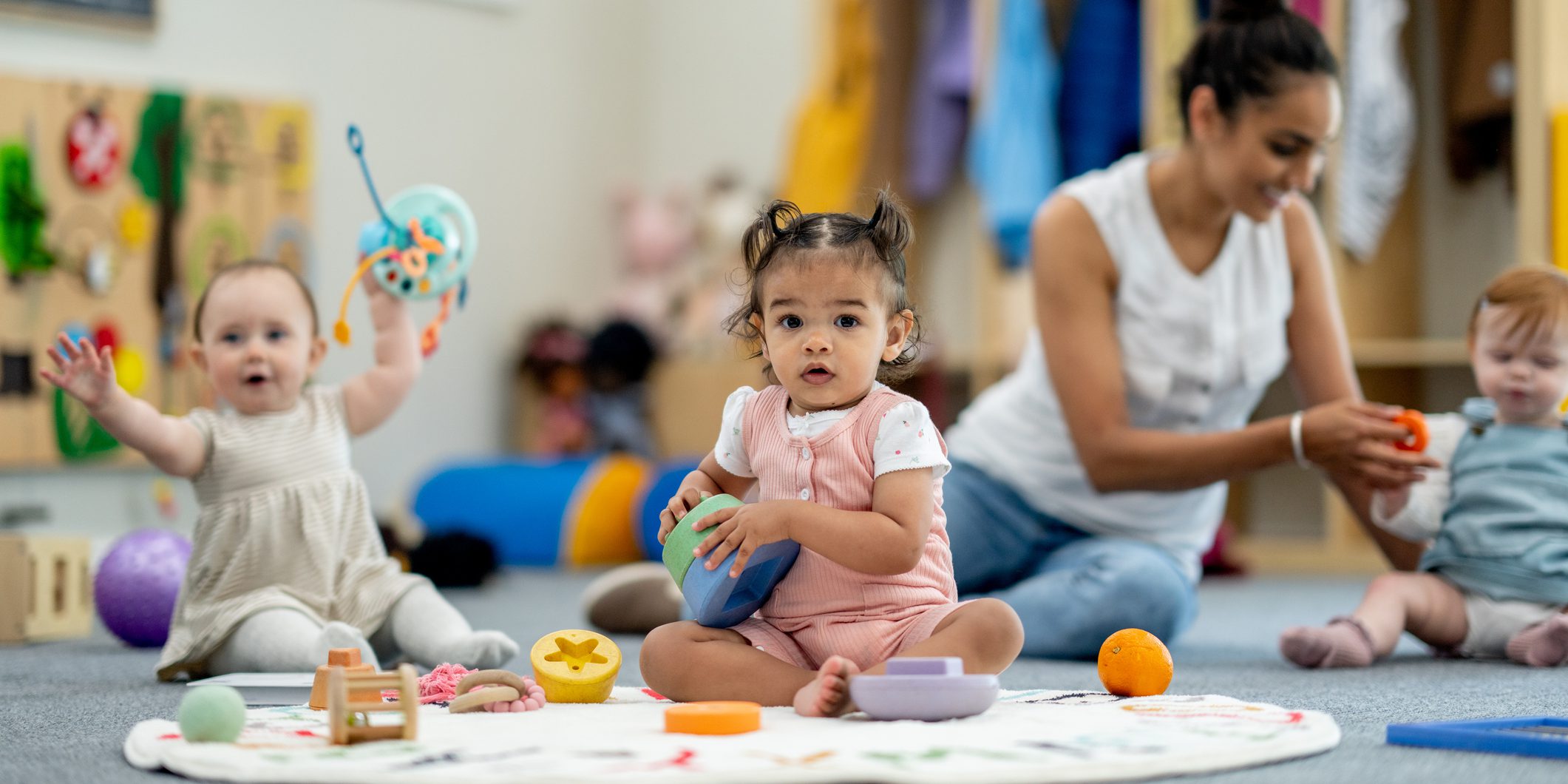
This infant room includes toys organized in containers low to the ground, supporting the infants’ ability to explore. Although infants aren’t likely to return items independently, pictures on the labels help infants learn the words for materials as the teacher encourages returning the items to their containers.
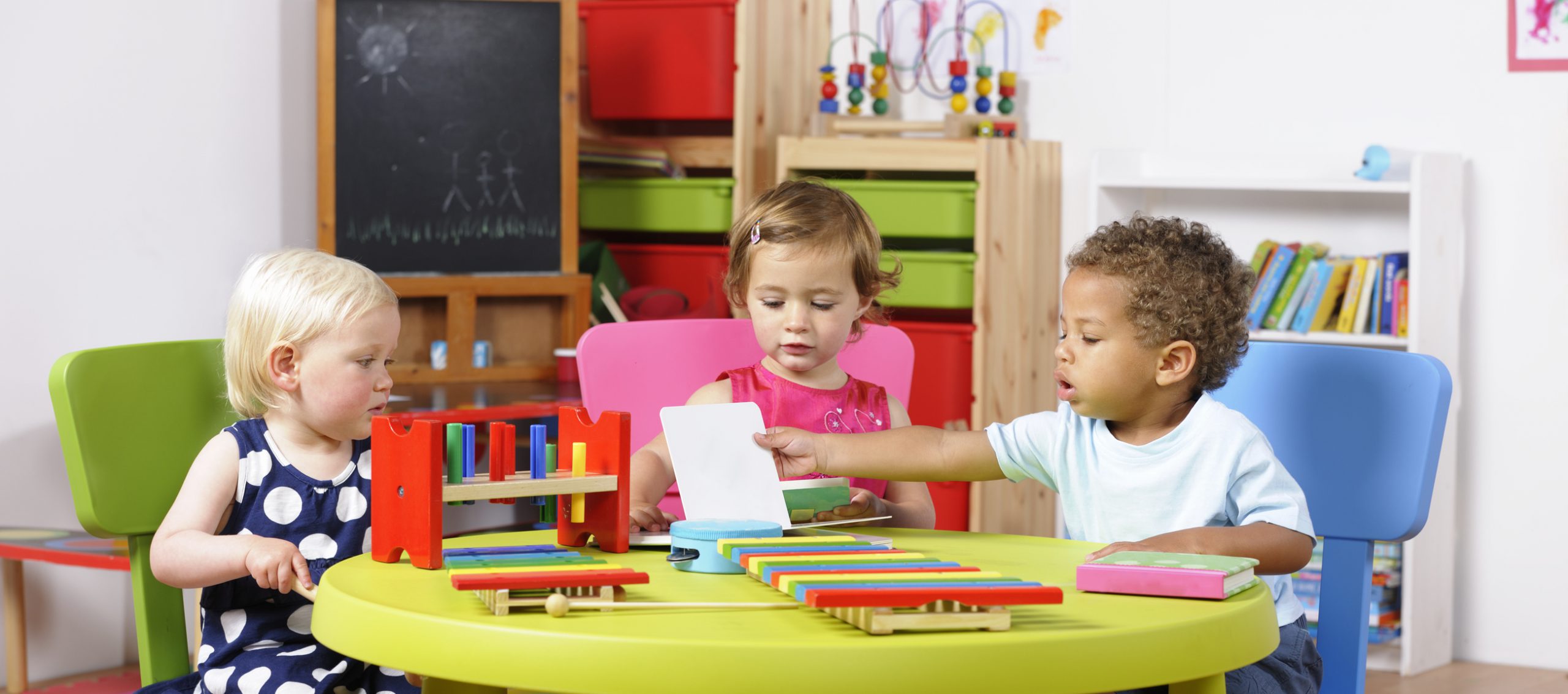
This photo shows a shelving unit in a preschool classroom with developmentally appropriate toys. Many of the materials are organized in containers with labels that include both pictures and words. The shelves are an appropriate height to allow children to retrieve and return items independently.
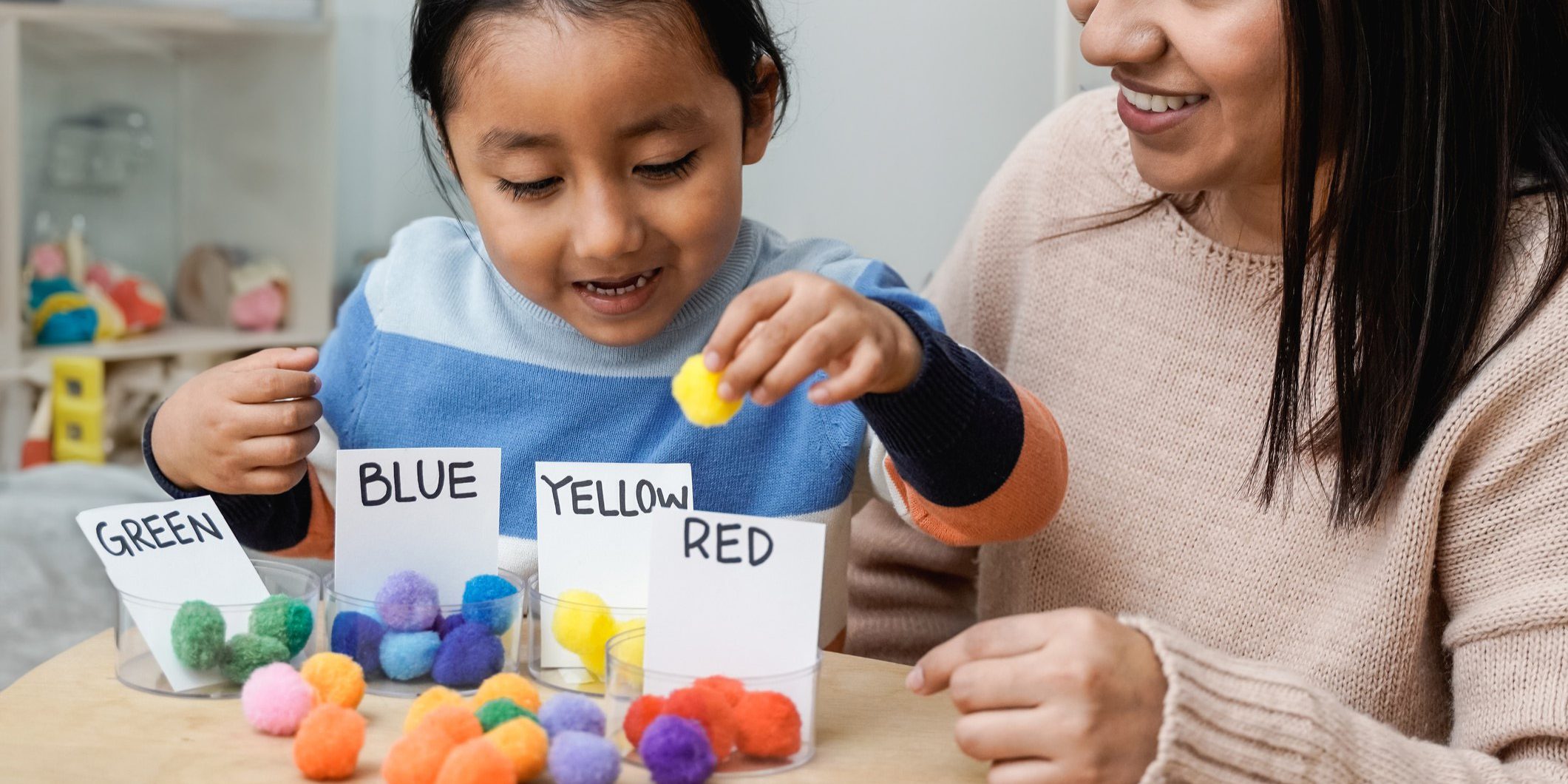
This photo of a shelf in a school-age classroom includes writing and drawing materials clearly labeled with both pictures and words. Although many school-age children are beginning to read, providing labels with pictures supports children who are still building reading skills.
This photo shows a collection of toys on a low shelf in a toddler classroom. Notice that the containers are open, which helps toddlers find the toys. Under each container is a label that has the word and picture of the toys to support toddlers’ ability to return the toys appropriately.

This shelf in the infant room is open and very low to the ground, supporting infants’ ability to explore the toys. Notice the labels on the shelf include large pictures of the toys themselves.

This shelf in an infant room has toy phones to encourage speech practice. Notice how the shelf is simple and uncluttered and labeled with a large picture of similar toys.
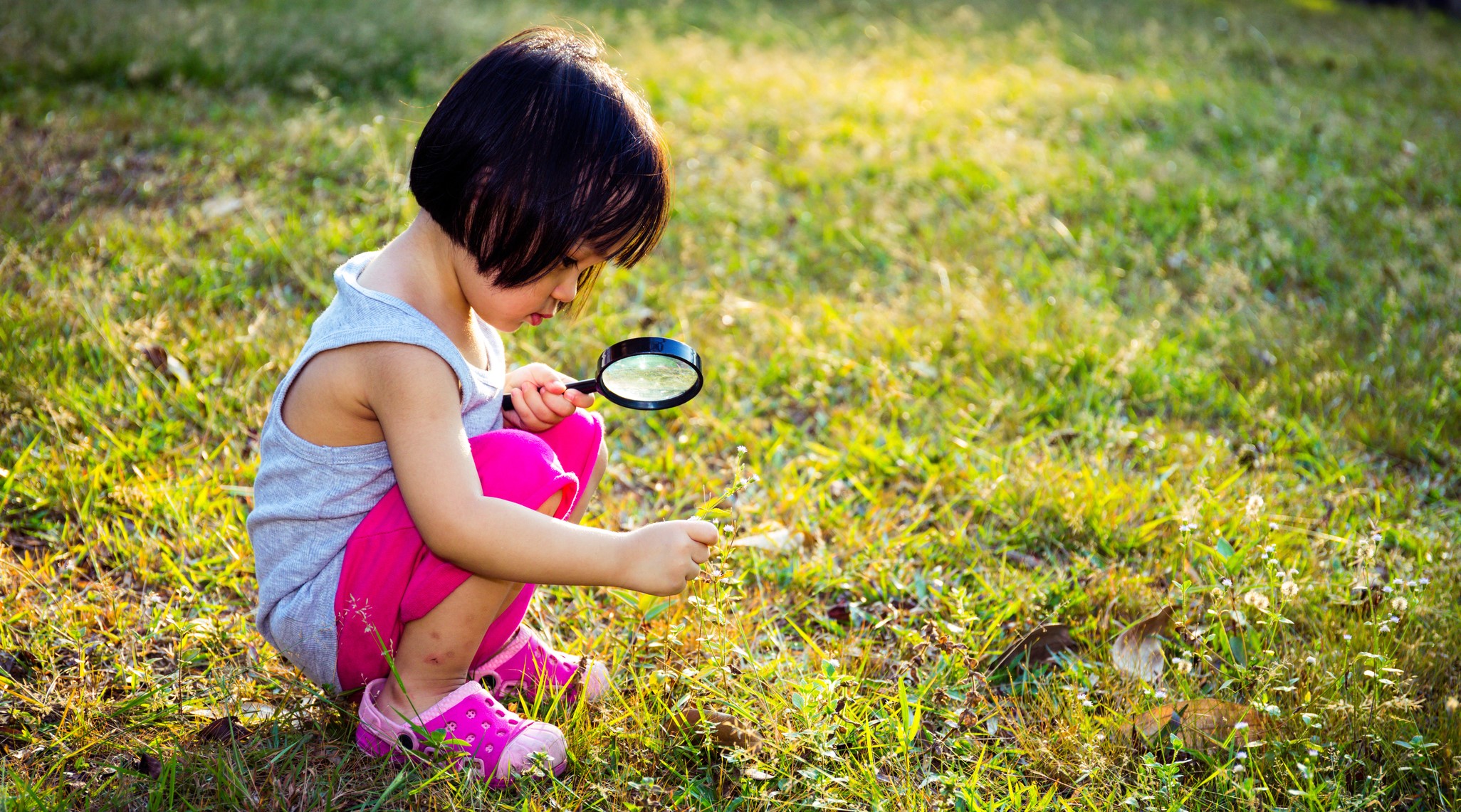
These photos show an environment where children can be actively engaged in hands-on activities using real objects. These materials are thoughtfully organized in different interest areas, allowing children to explore and learn through direct interaction.
This brief guide provides ideas for how to bring real natural objects inside the classroom, as well as ideas for how to use the objects to promote conversation with children. Classrooms can use this guide to generate ideas for incorporating more natural objects.

This tip sheet includes ideas for setting up environments that promote interest in exploring materials. Use these tips and incorporate real-world objects like real cookware, food containers, magazines, pine cones, rocks, etc.

Real world objects can support a variety of skills, including gross motor play. In this photo we see toddlers playing with a real box and laundry basket.

This collection of natural objects includes items that promote hands-on manipulation as well as smaller objects that are protected in a clear container.

Living plants that children can help care for are a great way to bring nature inside. Dried leaves and seasonal vegetables can also promote exploration and conversation about different plants and seasons.

This photo shows examples of real objects provided in the classroom that promote children’s scientific understanding, including a magnifying glass and various samples from nature.

This is a closeup photo of an example of a developmentally appropriate science station for toddlers. Materials include magnifying glasses, sensory tubes, and science-related books.