
TRAININGS

Grow with Me is a course designed to provide caregivers of infants and toddlers with the skills and knowledge to support developmental assessment. This course focuses on the importance of monitoring young children’s developmental progress, different methods and formats of assessment including developmental milestones checklists, factors to consider when assessing young children from diverse backgrounds, and what to do with assessment results for an individual child, whole classroom, or program.

Classroom Transitions, created by Head Start Early Childhood Learning & Knowledge Center, is a brief presentation on classroom transitions. Practitioners will learn about some effective strategies or methods for helping children make smooth transitions from one classroom activity to the next to avoid disruption and long waits between activities.
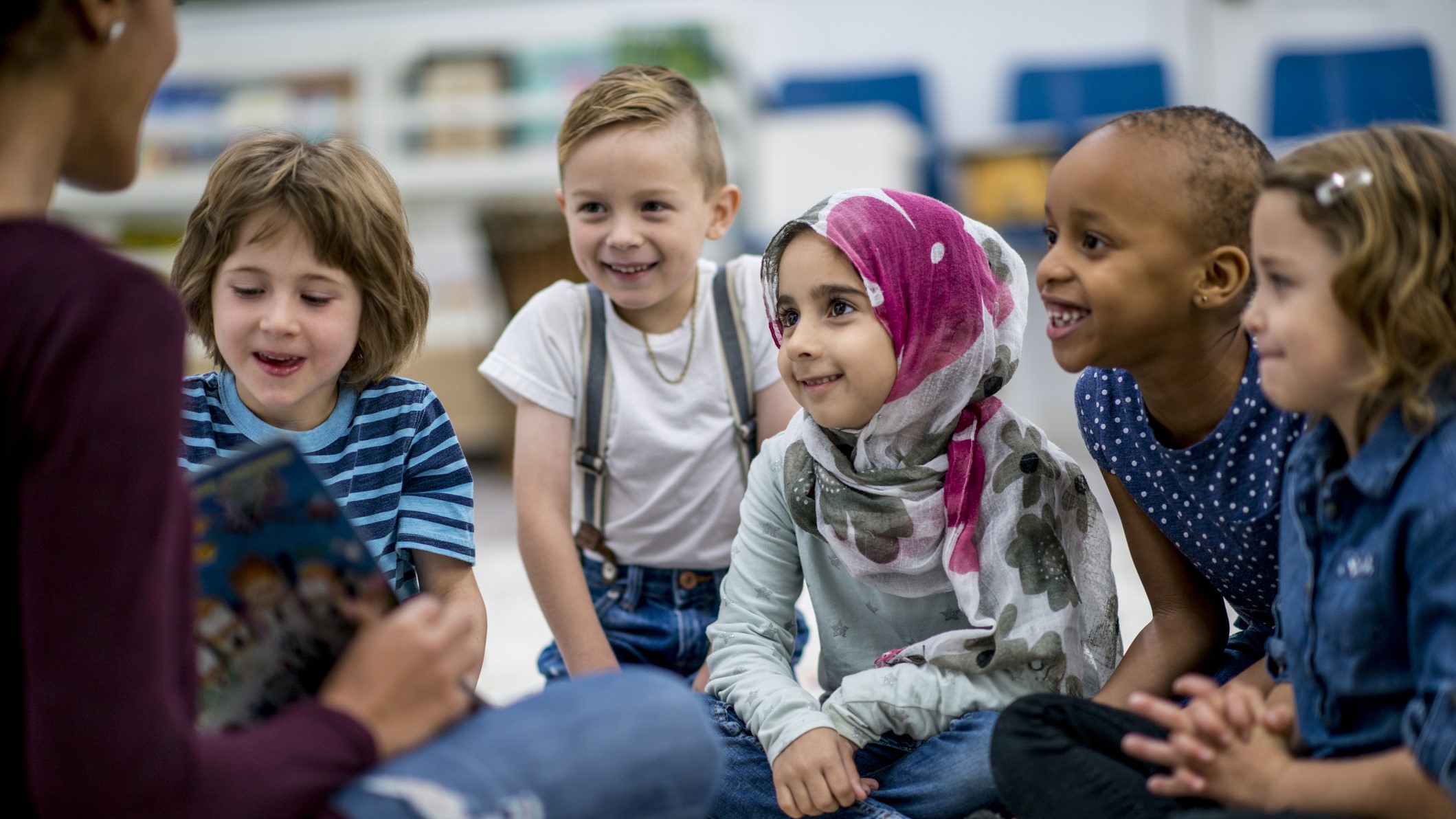
eCircle is for teachers and administrators serving children 3 to 6 years of age. This suite of 16 courses includes video-based demonstrations of effective instructional practices, as well as application-based assignments and activities. Participants will learn strategies for balanced instruction across a variety of settings, formats, and learning domains. eCircle is available at no cost.
This lesson explores ways caregivers can create appropriate schedules and routines to help infants and toddlers feel safe, relaxed, and ready to explore and learn. Caregivers can extend learning across activity settings and formats, even with the littlest learners.

Designing your schedule and space to support effective routines helps promote preschool-aged children’s development and learning. This lesson will focus on providing a flexible schedule that extends learning throughout the day in both formal and informal settings.

This lesson will focus on constructing a flexible schedule that balances instructional activities and uses intentional approaches to learning. Teachers can promote independence by giving school-age children choice in their schedule as their needs and interests change.
RESOURCES
Select an assessment measure to explore examples, activities, and tools that support quality improvement for that measure.
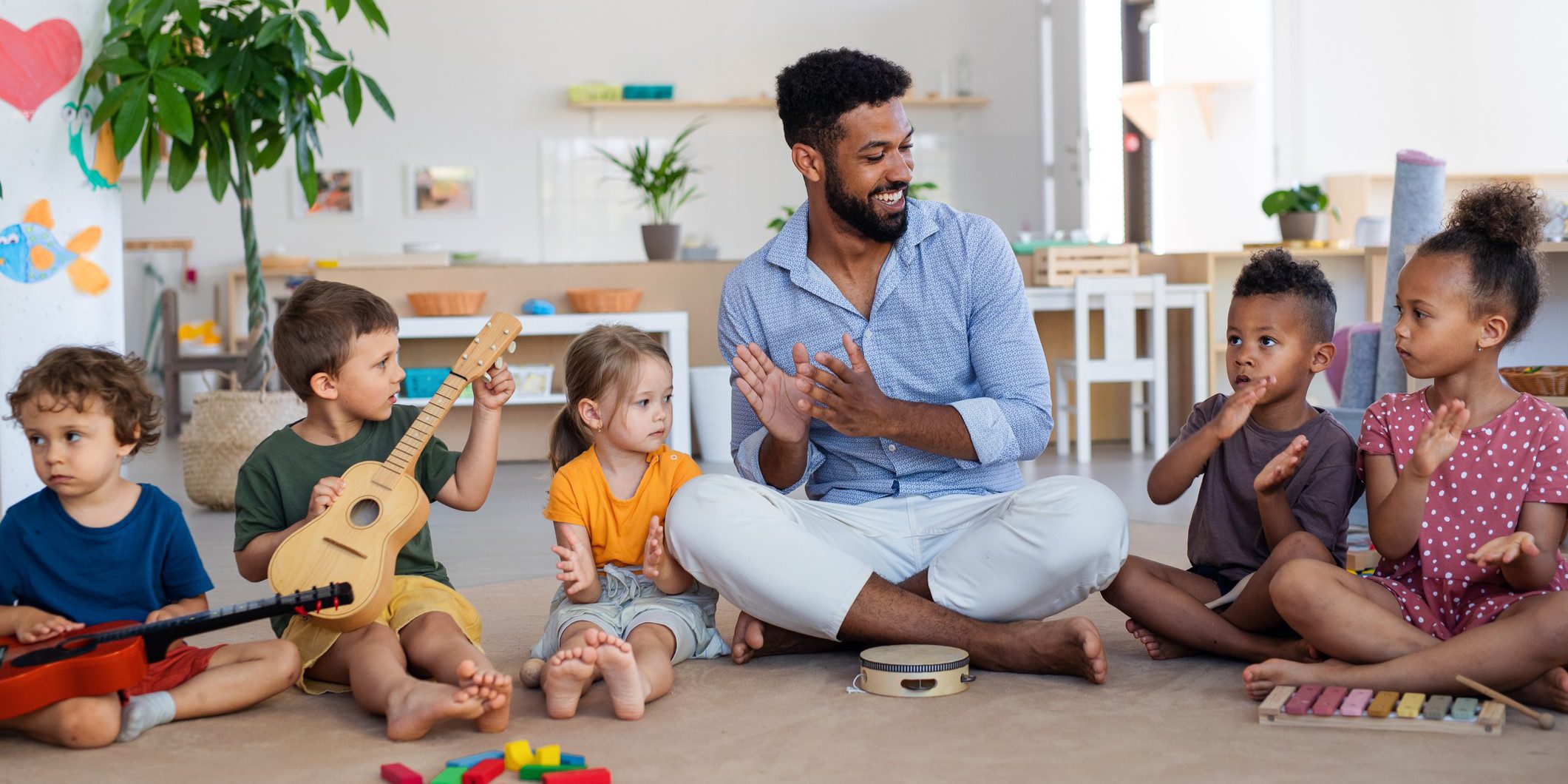
Different Ways to Play, is a lesson teachers can use to help toddlers experience play in new ways. The resource highlights ways teachers can allow a child’s wondering about the rain dictate what type of activity they choose to play outdoors.
Intentional Instructional Activities
This video depicts practitioners of all age groups engaging in intentional instructional activities in different settings throughout the day. The instructional activities shown depict a balance between teacher-directed instruction, where the teacher leads and directs the play, and child-initiated activities, where the child leads the direction of a conversation, activity, or play.

This recording provides information on how teachers can offer a balance of teacher-initiated instructional opportunities while still allowing time for child-directed activities throughout the day. This video is a part of a larger professional development series.
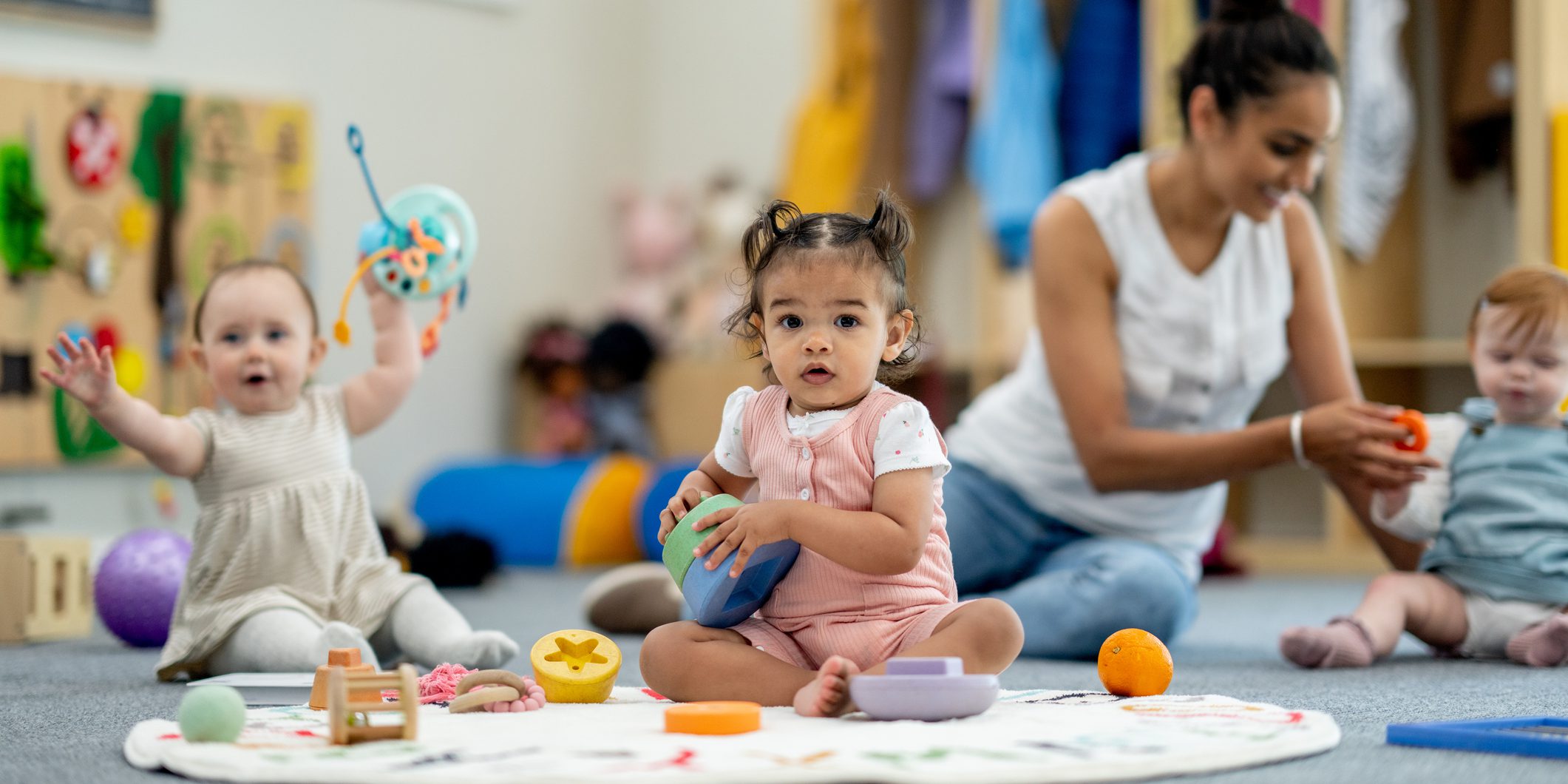
This sample infant classroom daily schedule shows set time frames of specific activities to be done throughout the day. The schedule is balanced with a mixture of opportunities for both teacher-initiated activities and times where infants can initiate what they would like to do within those set times.
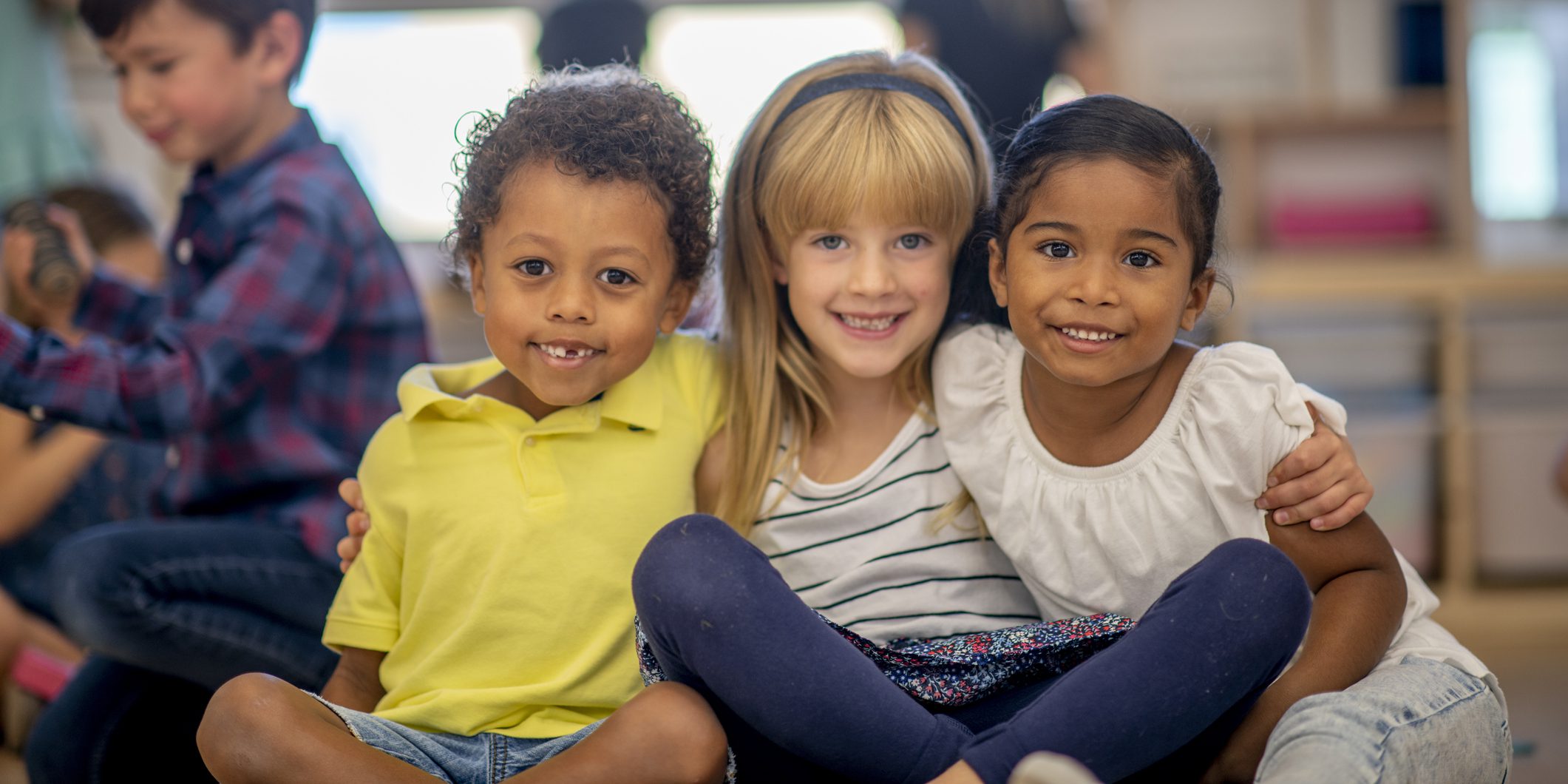
This sample preschool classroom daily schedule shows set time frames of specific activities to be done throughout the day. The schedule is balanced with a mixture of opportunities for both teacher-initiated activities and times where preschool children can initiate what they would like to do or talk about within those set times.

This video from Head Start shows how schedules and routines help to promote children’s learning. A daily schedule that allows children to make choices, learn in varied group sizes and environments, and receive individualized support results in higher engagement. This video is a part of a larger professional development suite.
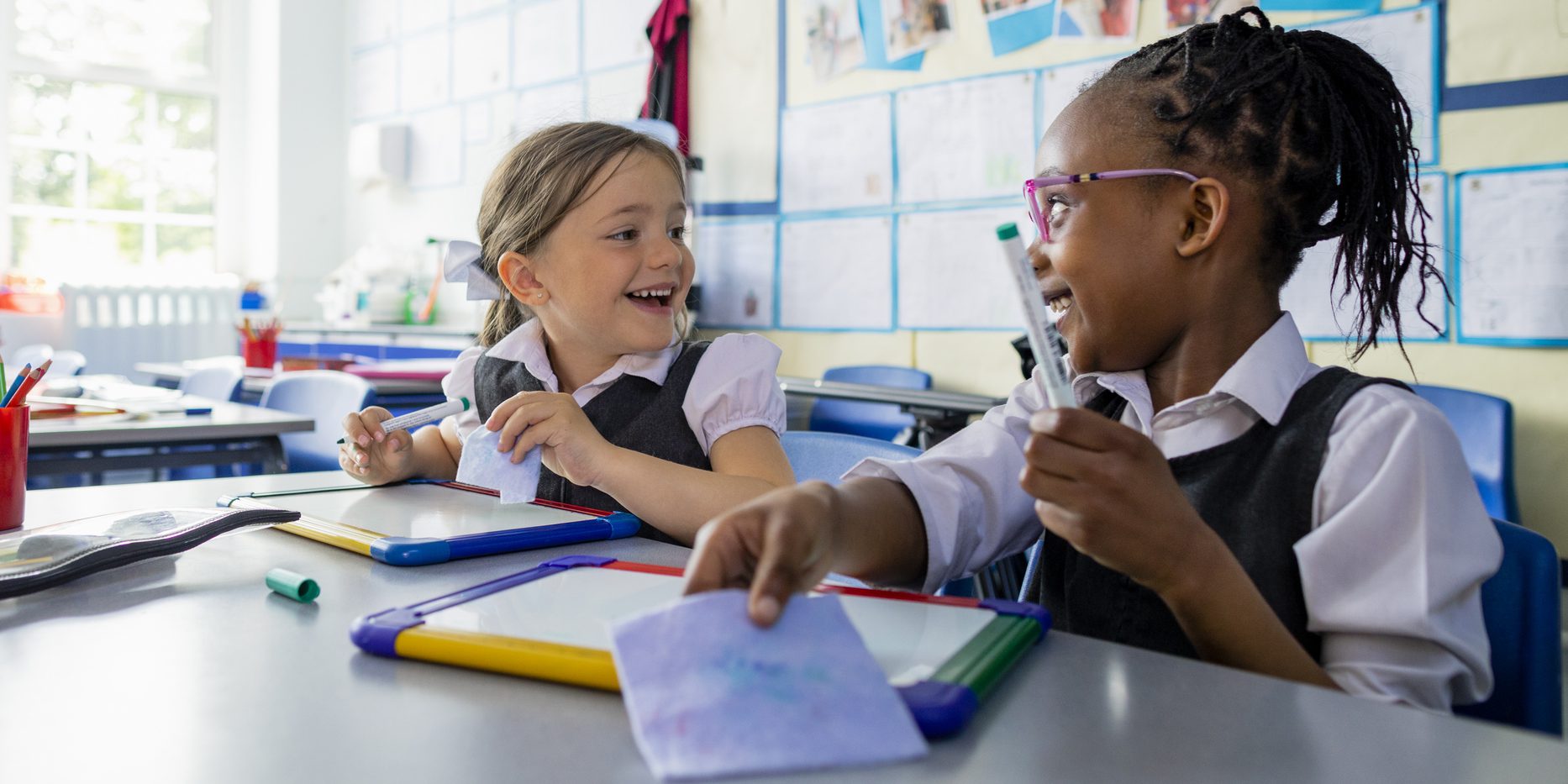
This sample school age daily schedule shows set time frames of specific activities to be done when participating in a before school and after school program. The schedule is balanced with a mixture of opportunities for both teacher-initiated activities and times where school age children can initiate what they would like to do or talk about within those set times.
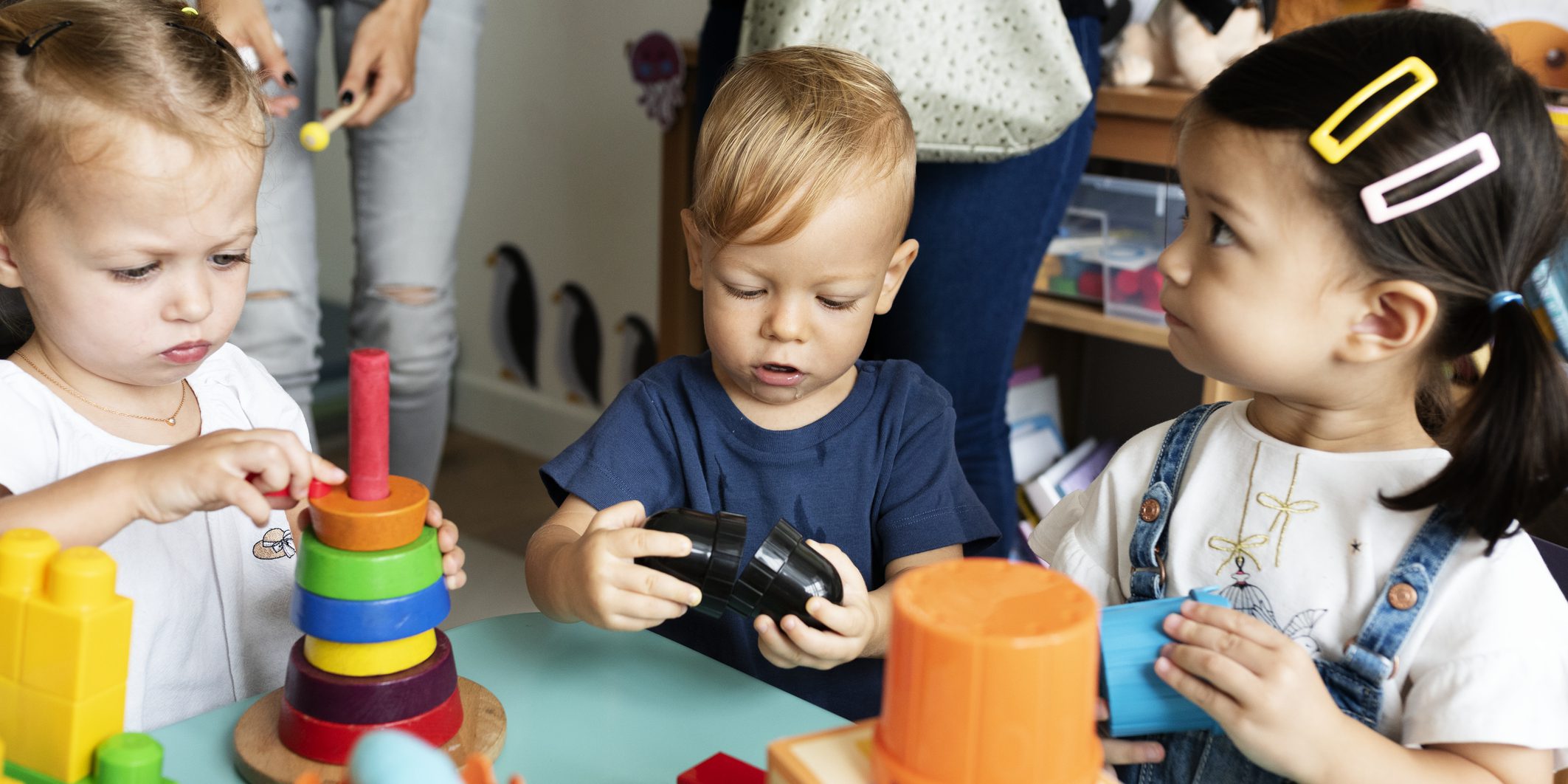
This sample toddler classroom daily schedule shows set time frames of specific activities to be done throughout the day. The schedule is balanced with a mixture of opportunities for both teacher-initiated activities and times where toddlers can initiate what they would like to do or talk about within those set times.
Classroom Management – Transition (Exemplar 4)
After a lesson on emotions, this teacher transitions children from small group to centers using a song from the lesson. The transition allows the children to move quickly from their current space to another with limited disruptions and with very little wait time.
Teachers can use this collection of counting transitions to provide incidental learning while children move from one activity to another. Adding incidental learning to routine and transition times is an efficient and enjoyable way to help children build school-readiness skills.
Incidental Learning
In this video, we see teachers use routine and transition times as opportunities to learn. They count, model and encourage language, and practice early literacy skills.
Practicing Concepts during Transitions
The teacher in this clip has been teaching the children in her class the concept of “opposites.” Watch how she uses a simple activity to reinforce this concept during a transition from circle time.
Teachers can use this collection of letter knowledge transitions to encourage learning while children move from one activity to another. Adding incidental learning to routine and transition times is an efficient and enjoyable way to help children build school-readiness skills.
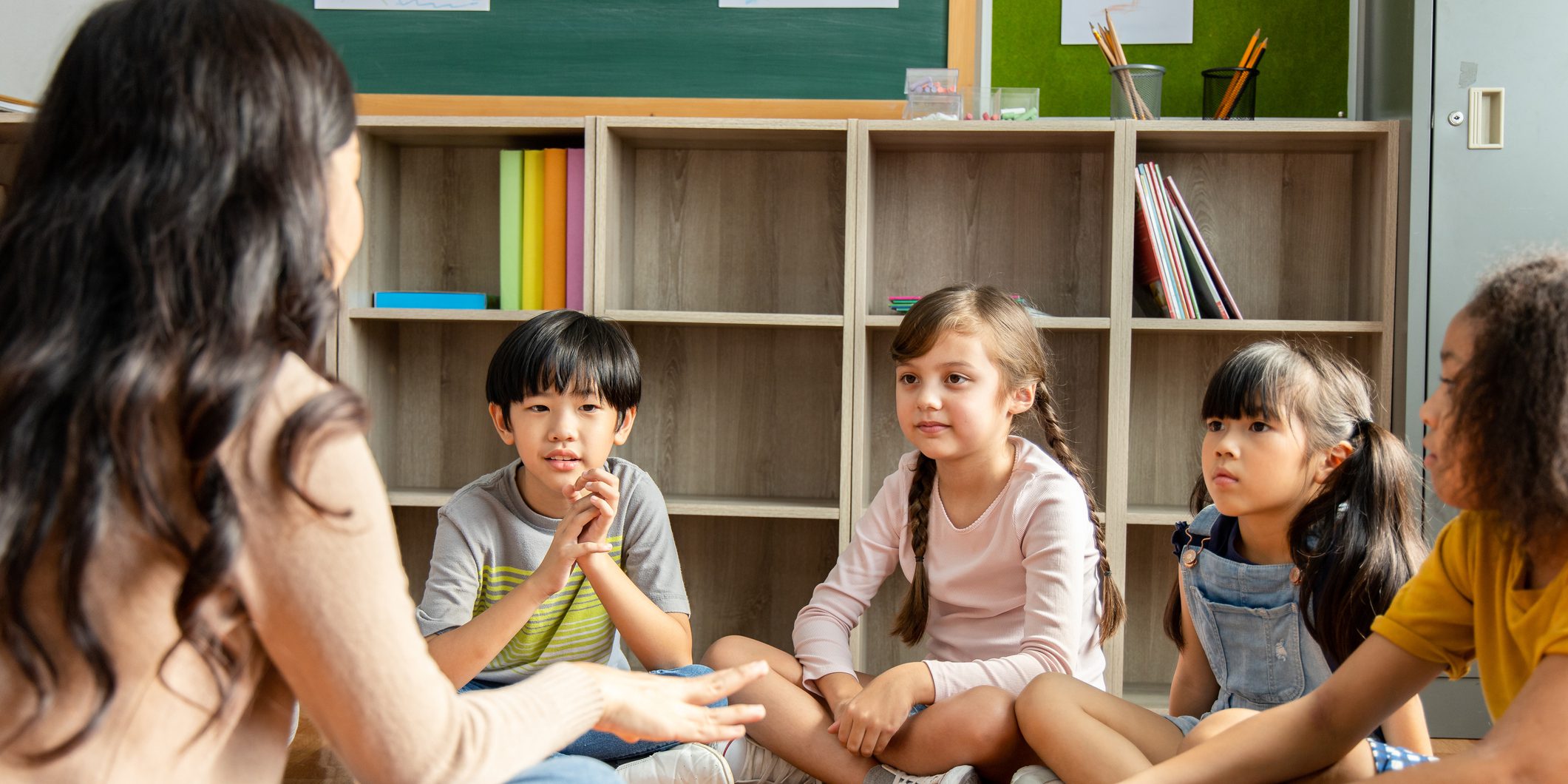
Teachers can use this word-reading game as an intentional activity on its own or to transition children. Because the goal of the game is to recognize words quickly, children don’t have to wait a long time for their turn.
Classroom Management – Transition (Exemplar 2)
This video shows a teacher explaining to children how to separate words into syllables during a planned, cognitive transition. The transition, because it is planned, helps minimize disruptions that could happen while moving from one area to another.
Classroom Management – Transition (Exemplar 3)
Using Willaby Wallaby Woo, as a planned rhyming transition, the teachers in this video are moving the children from whole group to small groups without much wait time. The decreased wait time also decreases the opportunity for disruptions while the children transition from one space in the room to another.
Math – Transition
In this planned transition game, the teacher uses a die to move the children from whole group to center time. Implementing a planned transition helps the teacher avoid long waits which could lead to classroom disruptions.
Planned Transition Times
The teachers in this video make the most of transition times by singing songs, counting, playing games, and preparing snacks.
Print Knowledge, Letter Knowledge and Early Reading – Transition (Exemplar 1)
During a transition activity, a teacher asks children to name the first letter in their name and to make the sound for the letter. This activity allows the teacher to transition the children from circle time to small groups without many disruptions or long waits.
Print Knowledge, Letter Knowledge and Early Reading – Transition (Exemplar 2)
This letter wall activity shows a teacher using a planned transition to move children from group time to center time. Adding planned transitions helps reduce confusion as children change learning spaces throughout the day.
Different Ways to Play, is a lesson teachers can use to help toddlers experience play in new ways. The resource highlights teacher directed instructional ideas about experiencing the rain throughout the day in different settings.
Repeated Exposure
In this Texas Rising Star video, there are multiple video segments that show teachers teaching a new concept. The teachers show how they are able to carry the same concept over into many different learning environments throughout the day.
Repeating Concepts across Different Activity Settings
This teacher has planned multiple activities that reinforce language and science concepts around “bugs.” Watch how this plays out across different settings.

This broad collection of resources includes an assessment guide for program leaders and strategies for observing young children. Although this site was developed for Head Start programs, much of the content explores assessment practices that apply to all types of early learning programs.
The Circle Progress Monitoring System (CPM) supports early learning programs in conducting formal assessments that measure children’s developmental progress. The CPM Observables checklists are printed versions of the CPM observable assessments on CLI Engage. Teachers can use these checklists to track student skill development throughout the year.
Circle Progress Monitoring System (CPM) supports early learning programs in conducting formal assessments that measure children’s developmental progress. The CPM User Guide provides a thorough overview of the assessment, the component domains, and the sub-measures. The guide also includes directions for offline assessment, general administration guidelines, and recommendations for assessment environments.
This course by Texas A&M AgriLife explores how curriculum and assessment are implemented through a model of planning, assessment, and modification. This course is $12 to access.

This guide provides information and resources to build practitioners’ knowledge on using student assessment tools, informal or formal, to track students’ learning. This learning resource acts as a support to practitioners when measuring children’s developmental progress, and it provides a general written process for using student assessment tools to inform instruction.
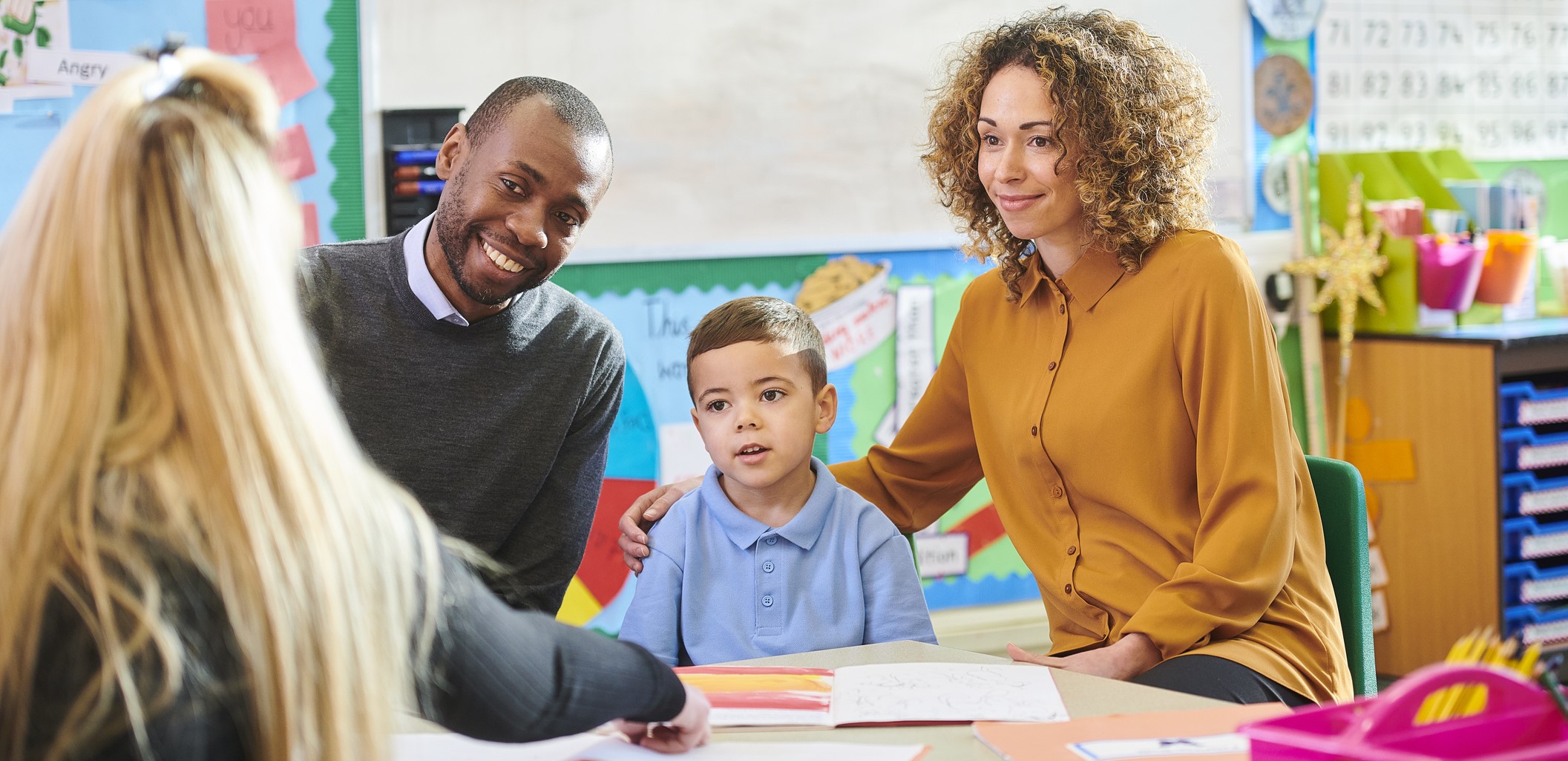
Assessment practices should include receiving input from families on children’s developing skills. The Circle Progress Monitoring: Family Observation Forms are appropriate for preschool children and can be used in conversations with families to identify skills that could be supported at home and at the program.
This course from Texas A&M AgriLife offers practical tips on how to prepare to do assessments in preschool classrooms and how to best support children using assessment results. The course is $12 to access.
Selecting Students for Small-Group Instruction
This video follows a pre-K teacher as she uses Circle Progress Monitoring data to select a small group of children who would benefit from more targeted support.
The Small Grouping Tool in CLI Engage groups children with scores below age-related benchmarks and recommends activities from the Circle Activity Collection: Pre-K to Grade 2 Classroom for further skill development. Learn more about this tool in this how-to guide.
The Teaching and Learning Cycle
The teaching and learning cycle provides a structure to achieve reflective teaching and effective learning. When teachers collect ongoing assessment data, they can evaluate children’s needs and then use the information to guide instruction. Taking the time to analyze child assessment results and data, and then reflecting on instructional practices, can lead to informed decisions on when to add new activities, how to modify lessons, and how to create targeted small groups. (18 minutes)
Formative assessment is an ongoing process that teachers use to gather information about children’s knowledge, skills, and abilities. This information enables educators to tailor instruction and better support children’s learning and development. (6 minutes)
This guide from the Institute of Education Sciences (IES) focuses on how schools can make use of assessment data to improve teaching and learning. The guide recommends that schools set a clear vision for schoolwide data use, develop a data-driven culture, and make data part of an ongoing cycle of instructional improvement.