
TRAININGS & RECOMMENDED READING

Build Relationships with Children, a publication created by the Department of Early Education and Care, gives readers relationship tips for children aged birth to three years. The techniques described can be used to ensure children feel a sense of trust and well-being from the adults who care for them.

Building positive relationships in the early childhood classroom, is a publication created by Penn State Extension which discusses ways to create warm trusting relationships with children. The document describes four methods teachers can use to ensure the children they care for feel safe and comfortable in their surroundings.

Connect with Me is a five-part series of courses designed to provide teachers and caregivers of infants and toddlers with the skills and knowledge to support social and emotional development. Participants will learn about social-emotional milestones, theories, and long-term outcomes through video segments, expert interviews, and research-based resources. (10 hours)
This publication from Penn State Extension discusses ways to create a positive classroom atmosphere. The document describes strategies teachers can use to ensure the children they care for feel safe and comfortable in their surroundings.

One of a child’s first communities are often early childhood classrooms. These classrooms are where they learn how to interact with and how to treat others. This article, DAP: Creating a Caring, Equitable Community of Learners, dives into ways teachers can create a community of caring learners by providing an environment where all members feel safe and welcome.

Get “In Tune,” a publication created by the Department of Early Education and Care, gives teachers ideas on how they can have back-and-forth “talks” with babies before they can understand or speak. During these “talks,” the teachers will use kind and caring language, free from demeaning comments. This type of language helps to create a warm, safe, and nurturing environment.

NCPMI’s Pyramid Model Preschool Module Series focuses on practices for building relationships with and promoting healthy relationships between children. This module includes resources and lists of practices teachers can implement to create a caring classroom community.
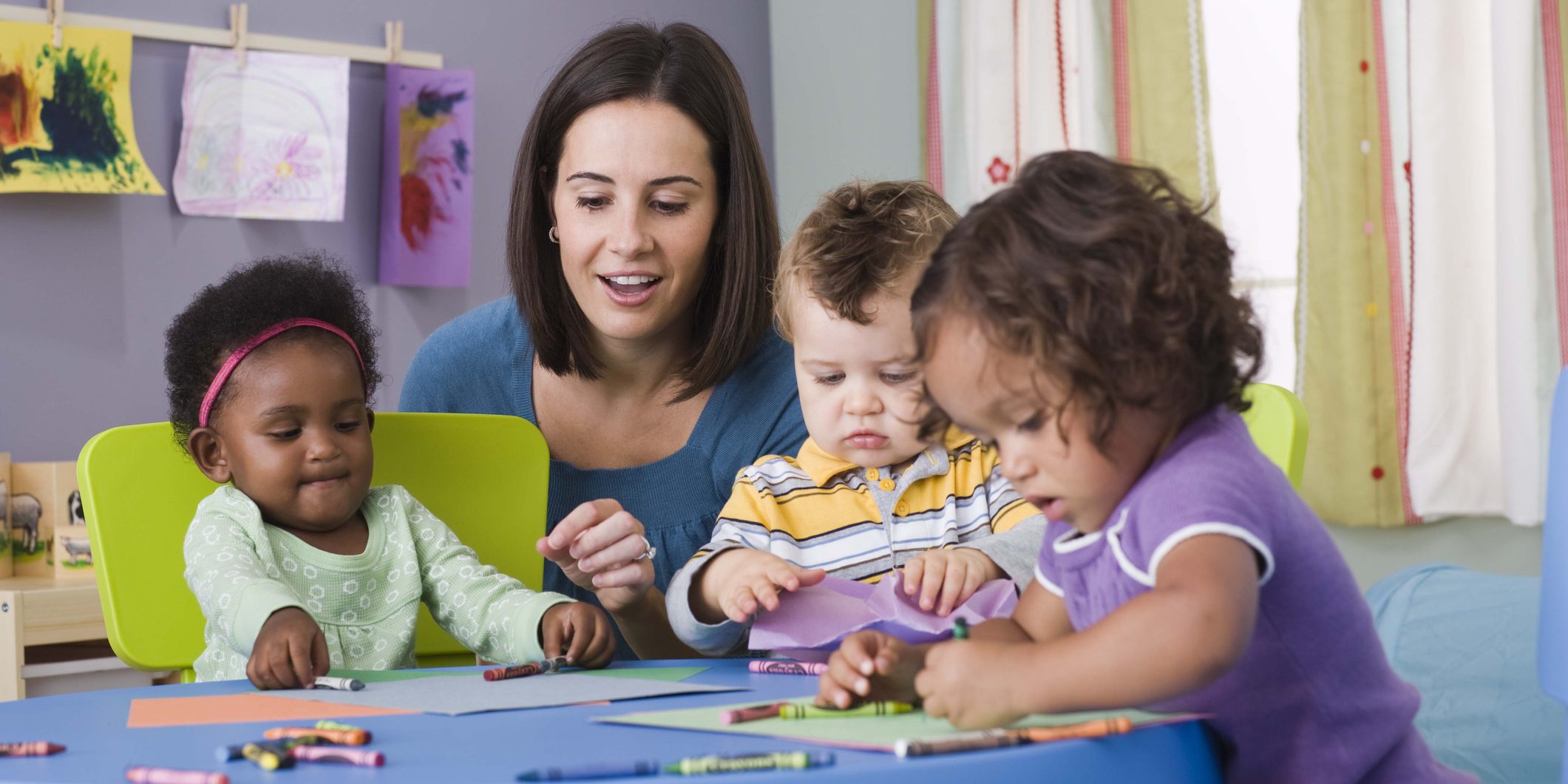
This professional development video from the WGBH Educational Foundation demonstrates how warm, responsive relationships help older infants feel safe, confident, and supported as they explore their environment and interact with others. It also highlights how talking with infants and responding to their gestures, sounds, and actions supports language development through meaningful back-and-forth conversations.

Caregivers can support young children in their ability to modulate their behavior and emotional expression by having realistic expectations and helping children develop self-regulation skills. This course discusses how teachers can promote self-regulation, practice appropriate transitions, and be responsive in stressful situations. (2 hours)
RESOURCES
Select an assessment measure to explore examples, activities, and tools that support quality improvement for that measure.
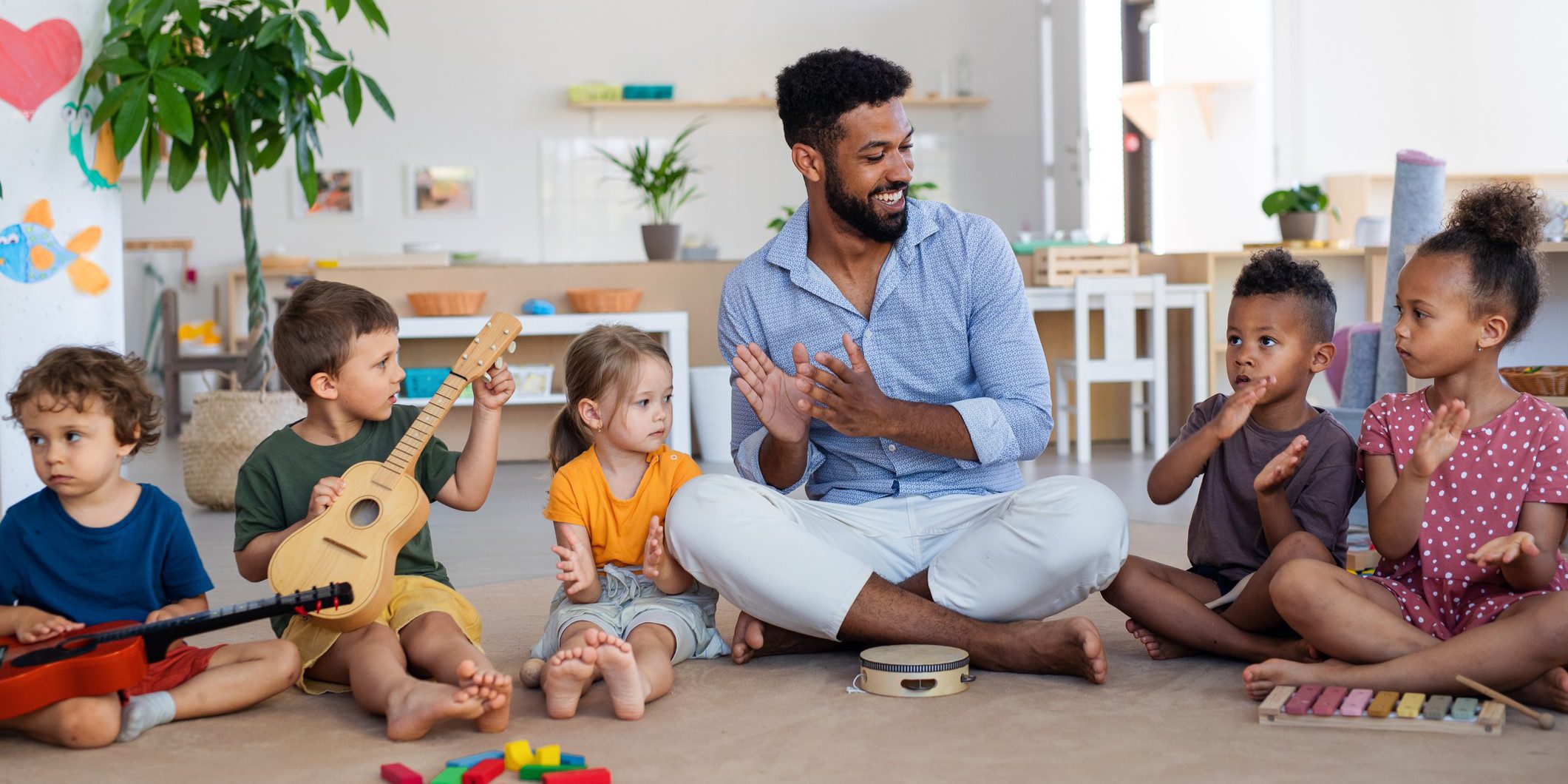
In this activity, the caregiver supports the baby’s social-emotional skills as they play a crawling and chasing game. As they play, the caregiver encourages the baby with praise and affection. Playing on the floor, within the baby’s view, increases a baby’s feelings of safety because they can see you clearly.
Creating Safety at Drop-Off
Watch how this teacher maintains a warm and inviting tone with a baby at drop-off, helping her feel safe as they say goodbye to mom and greet other children in the class. This teacher’s warmth likely made this transition much smoother for everyone!
Express Warmth and Affection (Infant)
This exemplar video segment shows an infant teacher expressing warmth and affection toward two babies in her classroom. Her interactions with the babies is positive and helps the children to feel safe and comfortable.
Express Warmth and Affection (Toddler)
In this exemplar video, a toddler teacher welcomes a child into the classroom. Her expression of warmth and affection creates a feeling of safety and allows the child to feel comfortable in their learning environment.
Hide and Seek
In this video, a child and a caregiver play a game of “hide and seek.” Notice how the caregiver celebrates enthusiastically with the child when he finds her. These brief separations and reunions increase his feelings of safety and trust as he learns that his special person will be back soon.
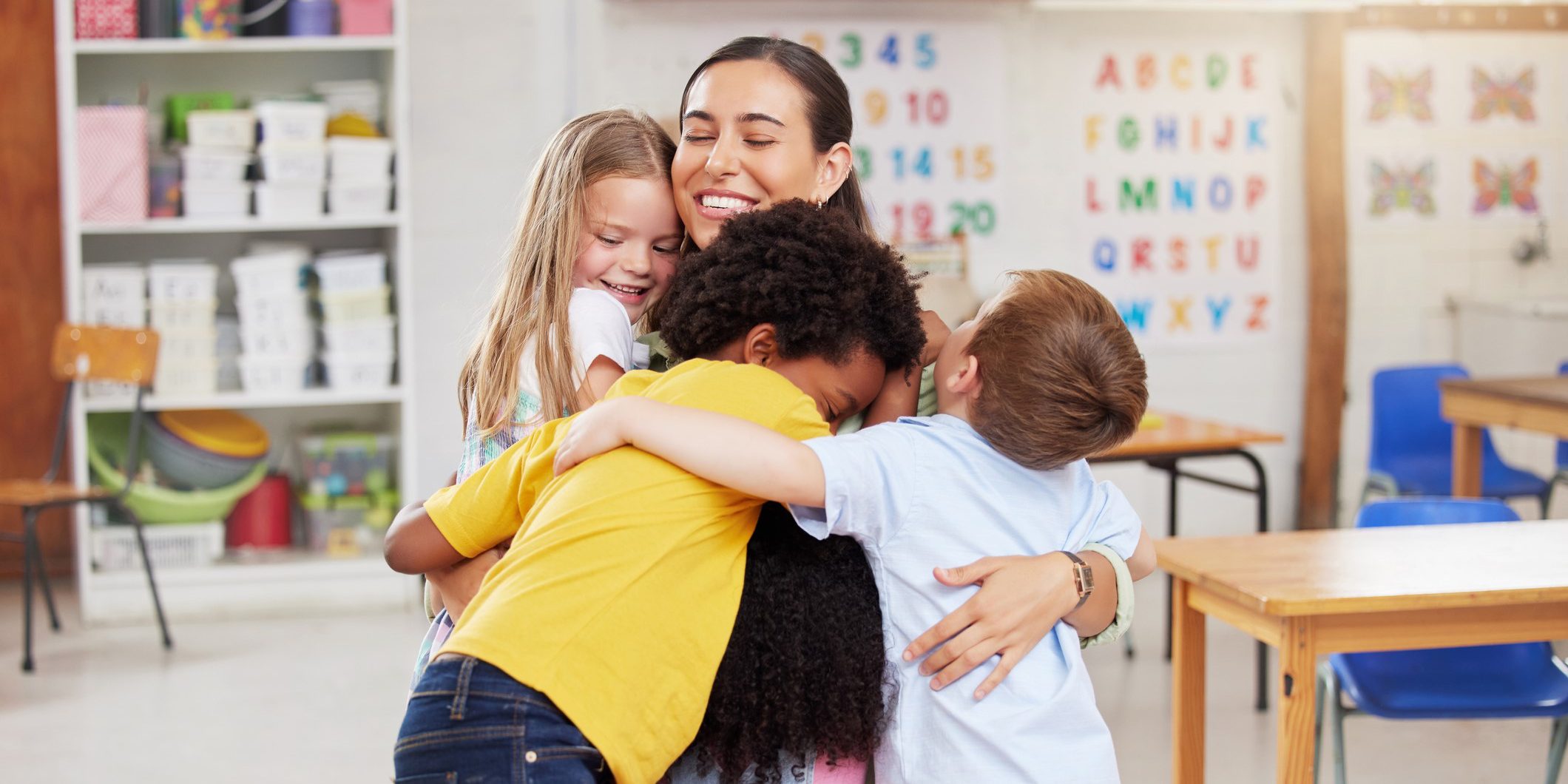
This video from the Department of Early Education and Care shows teachers interacting with children in positive ways. The teachers in this video have created warm, safe, and nurturing environments that allow the children to feel comfortable as they learn. This video is a part of a larger professional development series.
Warm, Safe, Nurturing Environment
This exemplar video shows clips of teachers of all ages expressing warmth and affection to children in their classrooms. Their interactions are positive and the positivity helps the children feel safe and comfortable in their learning environments.
Body Part Rhymes
In this video, the caregiver smiles at the baby and touches him gently as she names each body part. Face-to-face play and soft touch are important nonverbal ways to build a secure relationship with a baby.
Building Names
During this small group activity, the teacher shows interest in the children by nodding, smiling, and making eye contact at their level. These behaviors, along with the high fives, contribute to the children’s feeling of belonging.
Frequent Positive Nonverbal Behaviors
In this Texas Rising Star exemplar video, teachers of all age groups show how using frequent positive nonverbal behaviors help to increase children’s feelings of acceptance. In the video you will see teachers making eye contact, smiling at children and using reassuring touches to support children’s sense of belonging.
Hide and Seek
This video showcases how using frequent, positive nonverbal behaviors with children can increase their feelings of acceptance while playing a game. The teacher smiles, sits at the children’s level, and uses reassuring touch throughout the entire video.
This publication created by the PennState Extension gives readers research-based information on how teachers interactions with children affect their development. The publication gives strategies caregivers can use to demonstrate effective positive interactions throughout the day.

In the recording, teachers demonstrate how they use frequent, positive nonverbal behaviors like smiling and using reassuring touches to help babies in their care feel accepted. This video is a part of a larger professional development series.
Walk the Line
The teacher in this video displays many positive nonverbal behaviors. She sits on the floor with the children as she explains the activity, she claps, she smiles, she invites children to sit close by, and she gives high-fives. These behaviors support children’s sense of acceptance in the classroom.
Author’s Chair
This teacher takes her time explaining the activity and modeling how to share writing aloud. She does not rush the child, and she shows interest by asking questions and bringing attention to the details in the drawing. The teacher remains patient as she facilitates conversations between the children.
Bird Nest Play
As the teacher reads aloud, she pauses to ask questions and talk with the children; she does not rush to finish the book. Her tone is consistently positive as she reads, talks, and makes believe with the children. Her relaxed and patient style makes the children feel comfortable as they build and explore their “nest.”
Patient, Relaxed Style
This Texas Rising Star exemplar video showcases teachers of all age groups maintaining calm in the classroom. The teachers use positive voice tones, are patient and demonstrate a relaxed style as conflicts arise and children need support.
Stack and Nest
This caregiver’s responsiveness and positive tone of voice make the activity fun for the babies. Her relaxed style and ability to adjust based on children’s needs and interests keep the babies calm as they play with the stacking cups.
Staying Patient in Busy Environments
Watch how this teacher stays patient and relaxed as she navigates a busy activity with several children. Her warm, relaxed style helps prevent conflict between children and helps one child transition to another activity when needed.
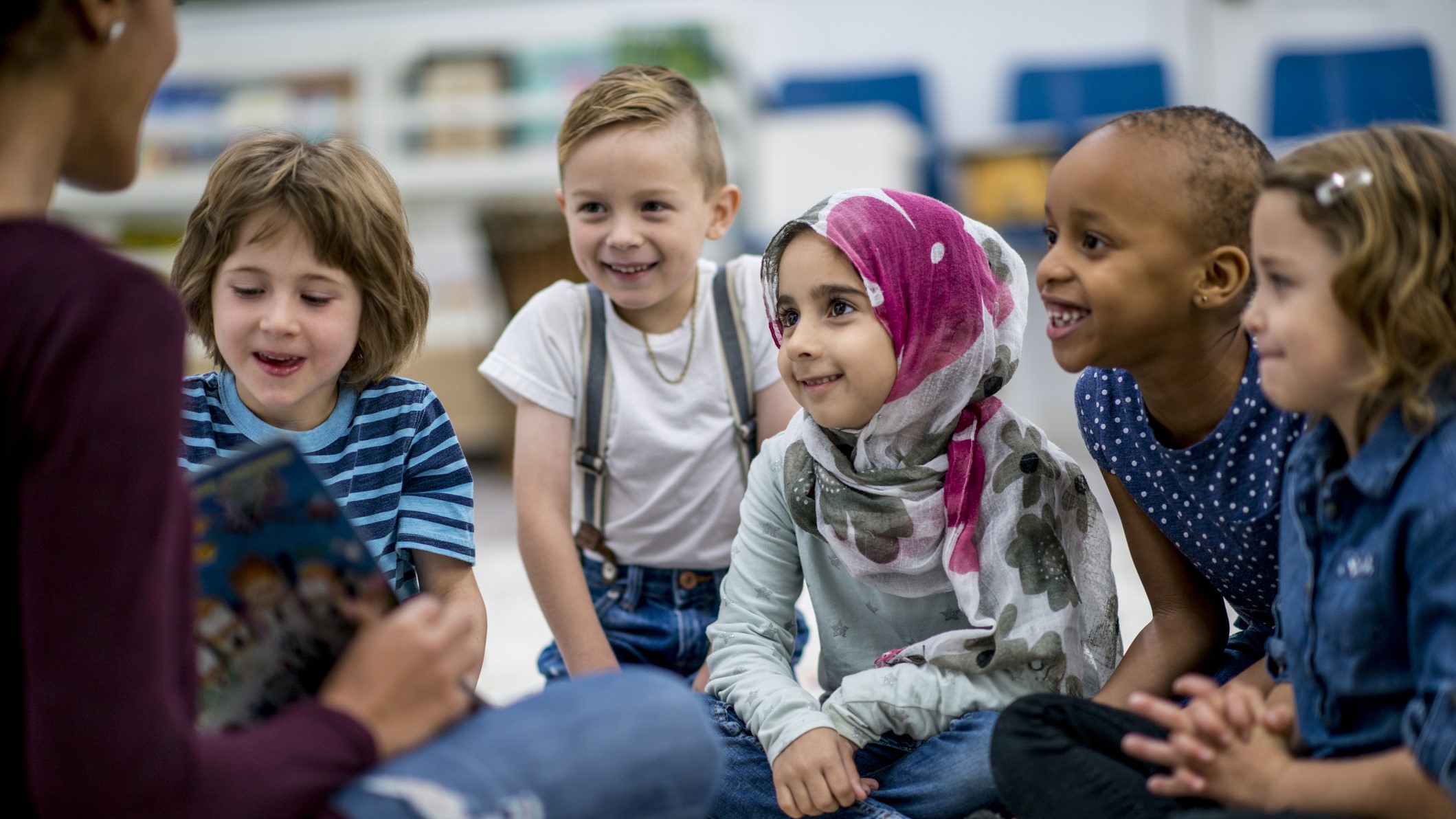
During this activity, children practice expressing their needs and wants, which creates opportunities for teachers to notice, interpret, and respond to children’s verbal and nonverbal signals. By engaging in these back-and-forth interactions, teachers can demonstrate responsiveness to children’s interests, needs, and requests.
Following the Child’s Lead, a publication created by Early Childhood Technical Assistance Center, gives an overview of how teachers can notice and attend to children’s signals and needs by simply following their lead.
Naturalistic Instruction Practices, a publication created by Early Childhood Technical Assistance Center, gives ideas on how teachers can respond to children’s needs and signals to support and encourage children’s engagement in child-initiated activities.
Notices Children’s Signals
This Texas Rising Star exemplar video highlights teachers of all age groups attending to children’s signals and needs. In the video, you will notice teachers responding to children’s verbal and non-verbal signs that they may need help, have questions, or might be frustrated.
Provide Comfort to Children in Distress (Infant)
This video shows ways teachers can comfort babies when they show signs of stress and discomfort. Noticing and attending to children’s signals allows babies to trust practitioners to meet their needs.

This document from the Department of Early Education and Care describes techniques caregivers can use to respond promptly when they recognize that babies are using gestures.
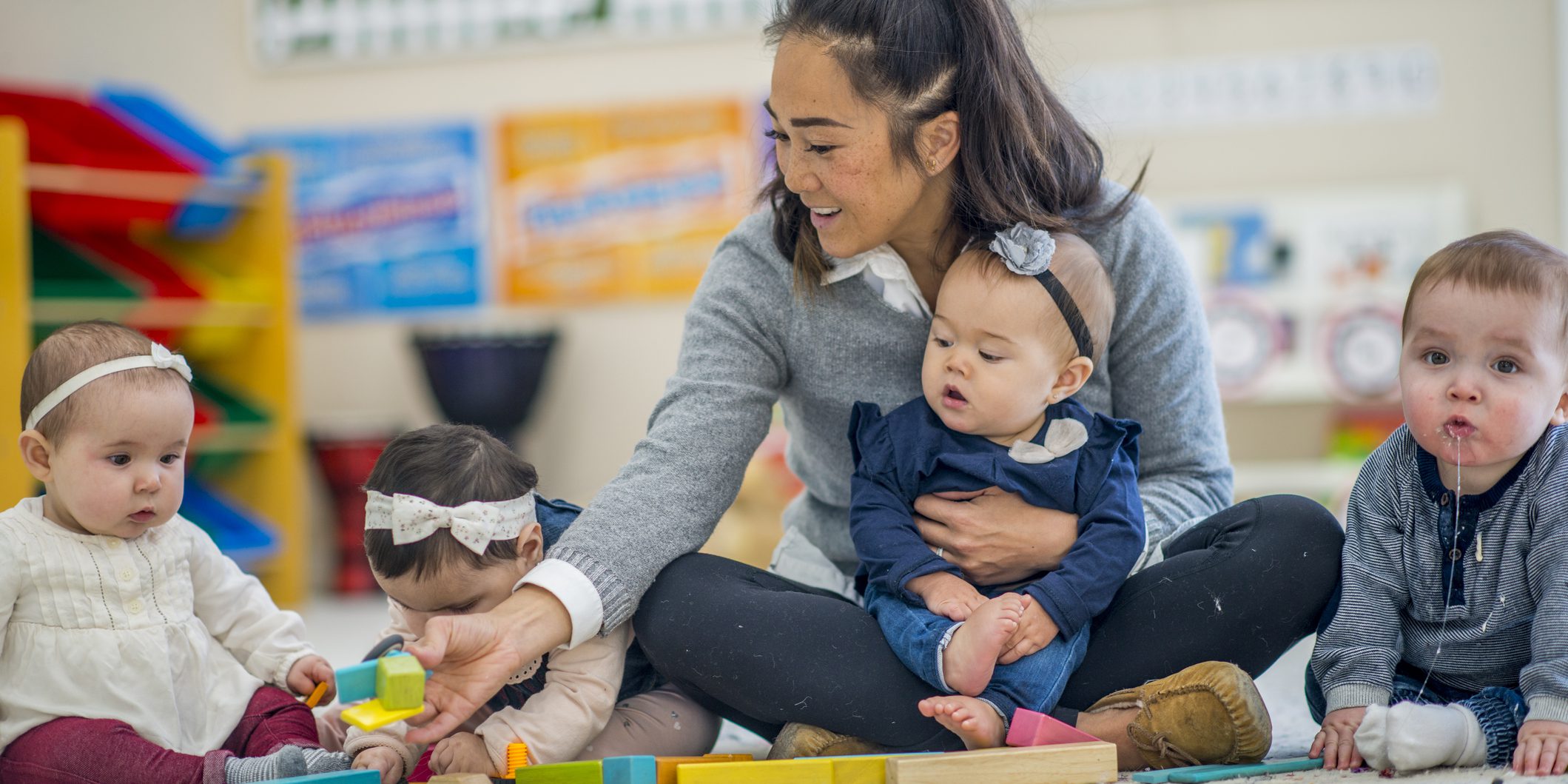
In this activity, the baby will share a toy with a caregiver. As the baby participates in the turn-taking cycle, the caregiver must pay attention to the child’s signals to see if they are ready to give and receive the toy. Waiting for the baby to share and returning the toy to them when they signal that they want it builds trust.
Slot Drop
As this group of toddlers builds fine motor skills, the teacher notices and attends to their verbal and nonverbal signals. At the beginning of the video, she responds to the child’s suggestion by modeling the task. Then, later, she helps a child who struggles to put the top back on the container before she becomes frustrated.
In this recording, teachers demonstrate how to consistently notice and attend to children’s needs and signals as signs of stress arise or as children attempt to communicate by responding to their questions, comments, or vocalizations. This video is a part of a larger professional development series.
As children practice asking for help and expressing their needs during this activity, teachers can model calm, supportive responses that help children feel valued and understood.
Be Predictable (Infant)
In this video from CLI, teachers demonstrate being predictable when caring for babies. Responding to signals promptly and predictably helps infants to begin to trust that their caregivers will consistently acknowledge their needs warmly and responsively.
Be Predictable (Toddler)
In this video from CLI, teachers demonstrate being predictable when caring for toddlers. Responding to signals promptly and predictably helps children begin to trust that their caregivers will consistently acknowledge their needs in a warm and responsive manner.
Provide Comfort to Children in Distress (Toddler)
In this video, teachers demonstrate comforting toddlers in moments of distress. Responding promptly and sensitively to children when they show signs of discomfort helps them build a sense of trust in their caregivers.
This document from the Department of Early Education and Care describes techniques caregivers can use to respond promptly when they recognize that babies are using gestures.
Responds Promptly and Sensitively (Infant)
In this exemplar video, a teacher follows a baby’s lead and supports her by giving warm encouragement. Responding promptly and sensitively to infants builds trust and also enhances learning.
Responds Promptly and Sensitively (Toddler)
In this exemplar video, a teacher demonstrates responding promptly and sensitively to two children as they ask for help in a busy classroom. Responding promptly and sensitively to children increases the likelihood that they will communicate about their needs, ideas, and interests.
Responds to Cognitive and Affective Signals
In this series of video segments, teachers respond sensitively to infants, toddlers, preschoolers, and after-school children throughout the day. Responding to signals promptly as they play, learn, and communicate helps children begin to trust their caregivers will consistently acknowledge their needs in a warm and responsive manner.
Social and Emotional Development – Sensitivity
In this exemplar video segment, a teacher responds promptly and warmly to a child who has questions about transitioning from circle time to centers. The teacher acknowledges the child’s thoughts and ideas about how the transition should be done and then explains why it must be done a certain way.
Adjusting to Children’s Interests
Watch how this teacher adjusts her play outside to include a child with different interests. By doing so, she is communicating to this child that his interests are important to her and communicating to other children that everyone in the class is valued.
Adjusting to Prevent Challenging Behaviors
In this example, a child is not ready to leave an activity—a refusal that can often lead to a power struggle. This teacher adjusts her approach to provide the child with an appropriate way to request more time. By doing this, she responds to his signals while also remaining clear about the upcoming transition.
Adjusts Own Behavior
In this series of exemplar video segments, teachers showcase their ability to adjust their behavior to meet the needs, interest and abilities of infant, toddlers, preschoolers and after school children throughout the day. The teachers show no preference or rejection towards any of the children in their care.
Following a Child’s Lead
Watch how this teacher shifts from her own plan using the blocks to following the child’s lead. This is an example of adjusting teaching to be responsive to children’s signals, promoting both learning and feelings of safety.
Matching Children’s Energy
In this clip, the teacher uses her tone and actions to match the energy of the activity. This simple adjustment of her behavior signals an important message to the children: “I value you and your enthusiasm!”
Respecting Preferences
In this clip, a child signals that she does not want paint on her hands during an activity. Watch how the teacher shows respect for the child’s preferences and then adjusts her behavior by jumping into the activity herself to keep it going.
Sponge Play
During this water play activity, the caregiver gives all children the attention and assistance they need. Three of the children need help squeezing the sponge, while one child can complete the task independently. When one toddler shows interest in pouring the water from one bowl to the other, the teacher encourages everyone to try it.
This publication from Penn State Extension describes temperament as a child’s emotional and behavioral way of responding to the world. The document provides ideas on how teachers or caregivers can demonstrate their ability to adjust their behavior in response to children’s temperaments.